Morrison’s Island
I supported the communications for this landmark public infrastructure project, which combines enhanced flood defenses with major public realm improvements along the River Lee. The wider scheme transforms Morrison’s Quay and Fr. Matthew Quay through new promenades, plaza spaces, public seating, and integrated flood protection.
My role focused on public engagement and visual communication, including the design and rollout of on-site hoarding and social media content. The campaign was well received, helping clearly communicate the long-term benefits of the project and building strong community awareness and support.
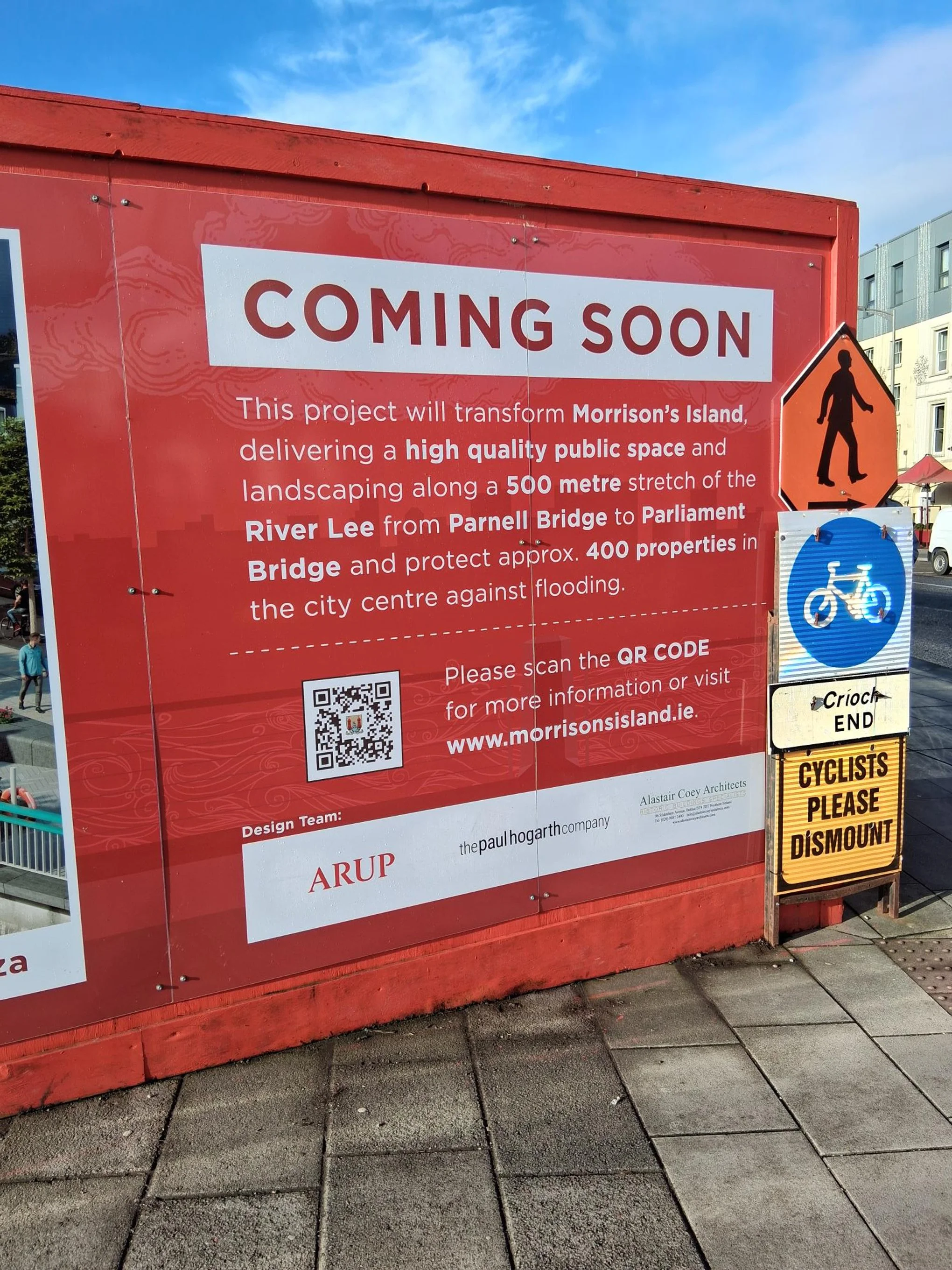
Hoarding
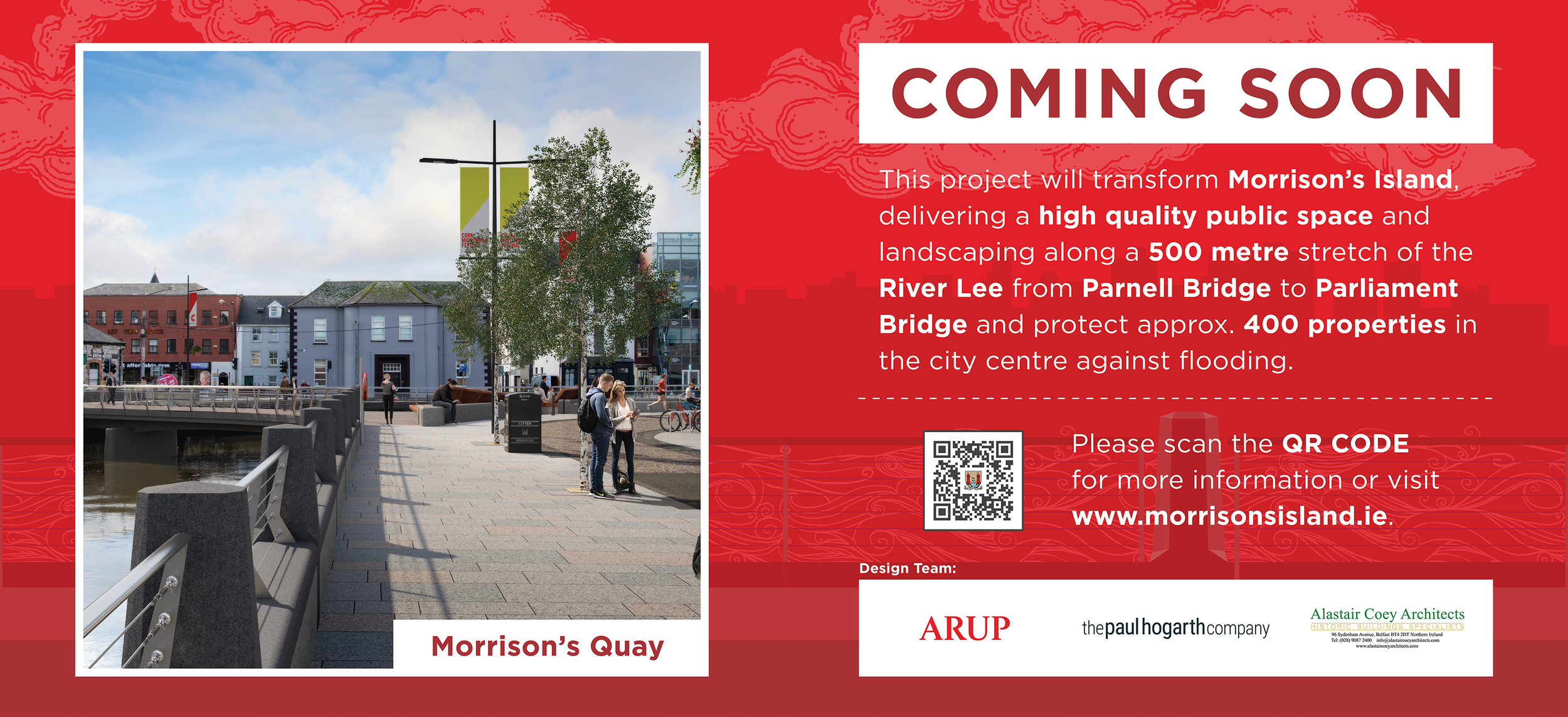
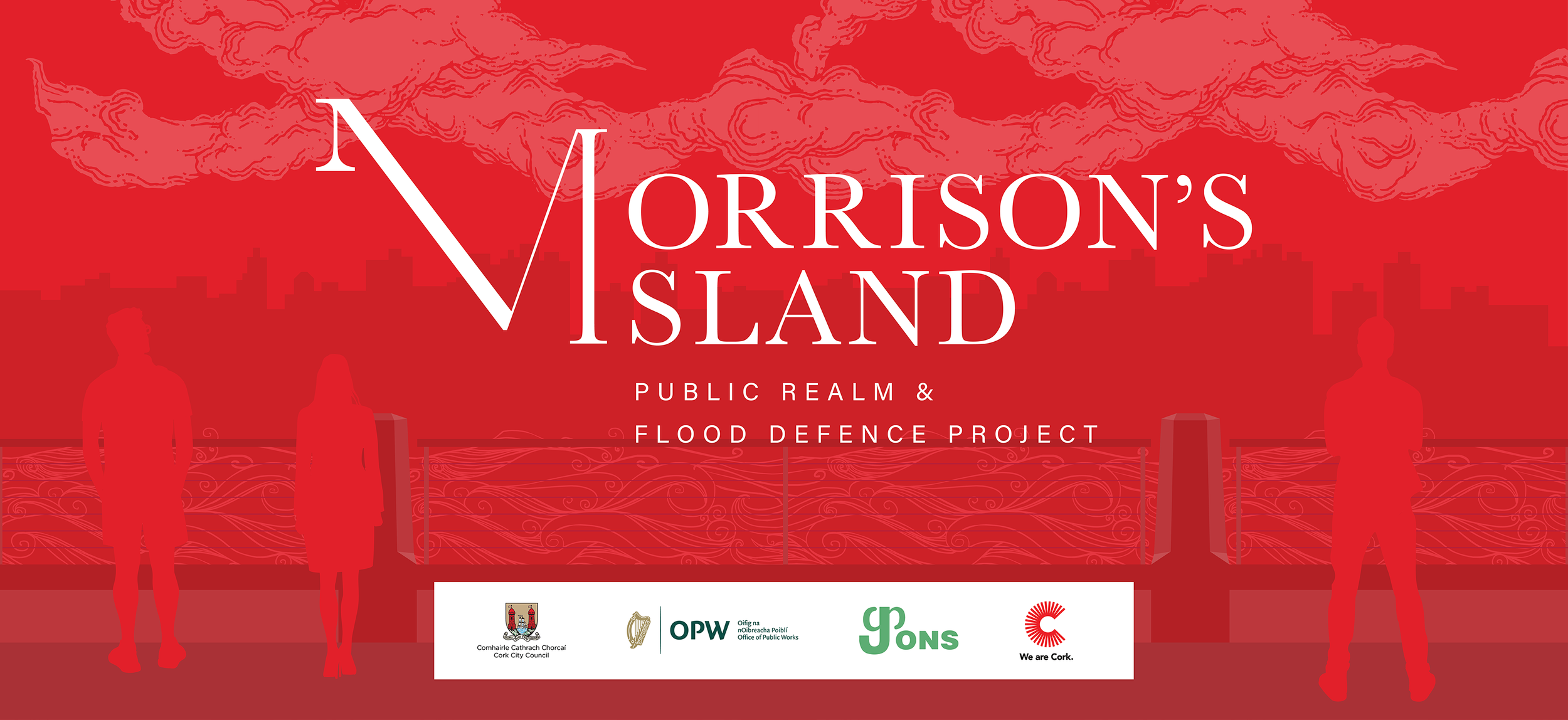
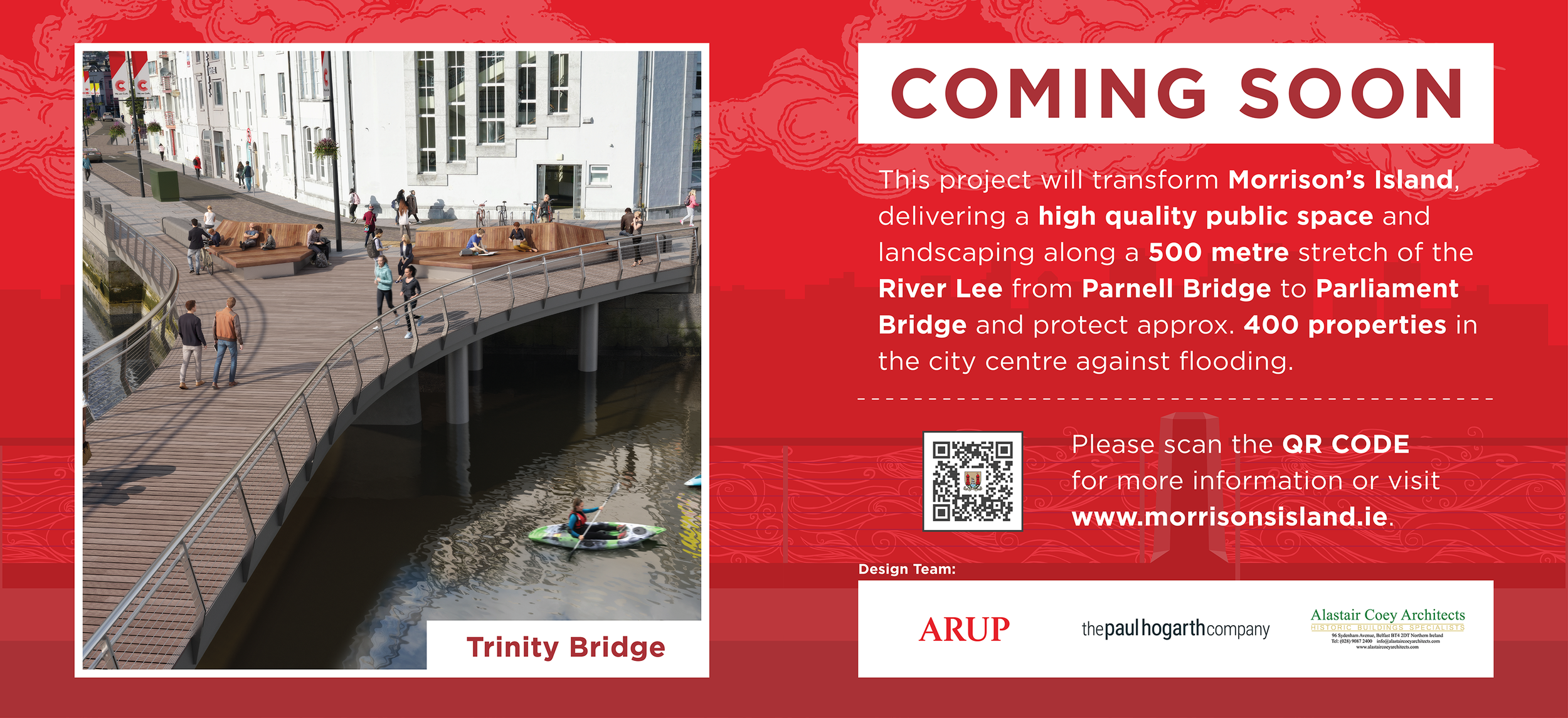
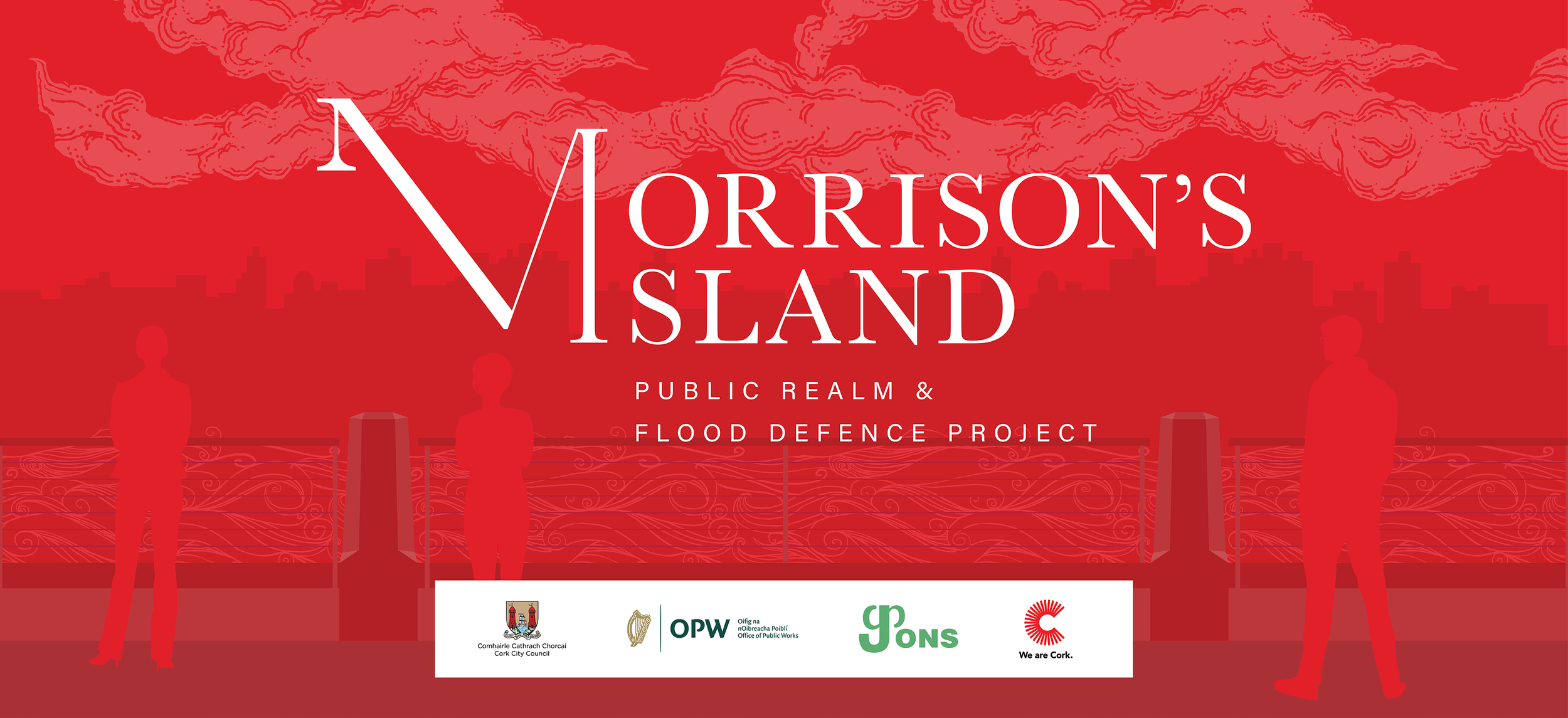
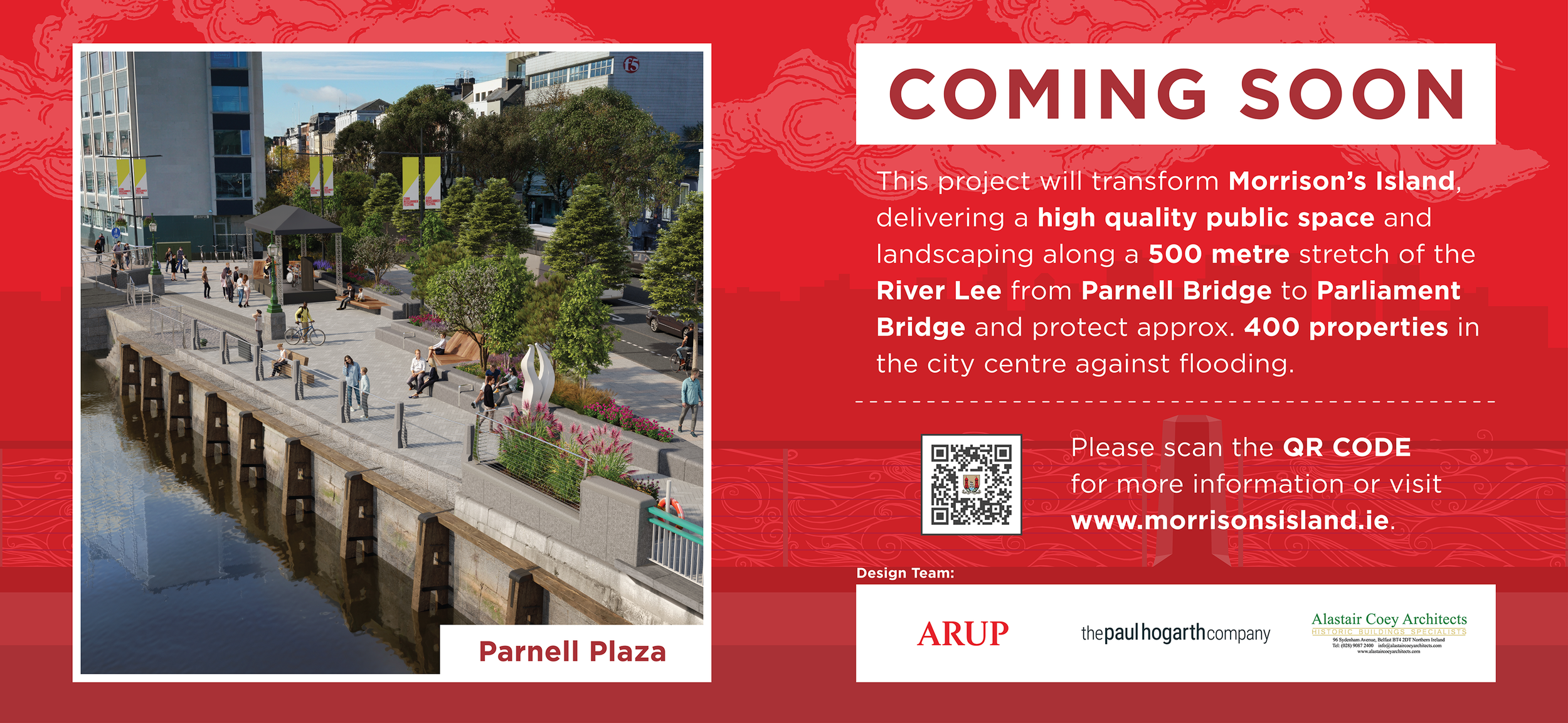
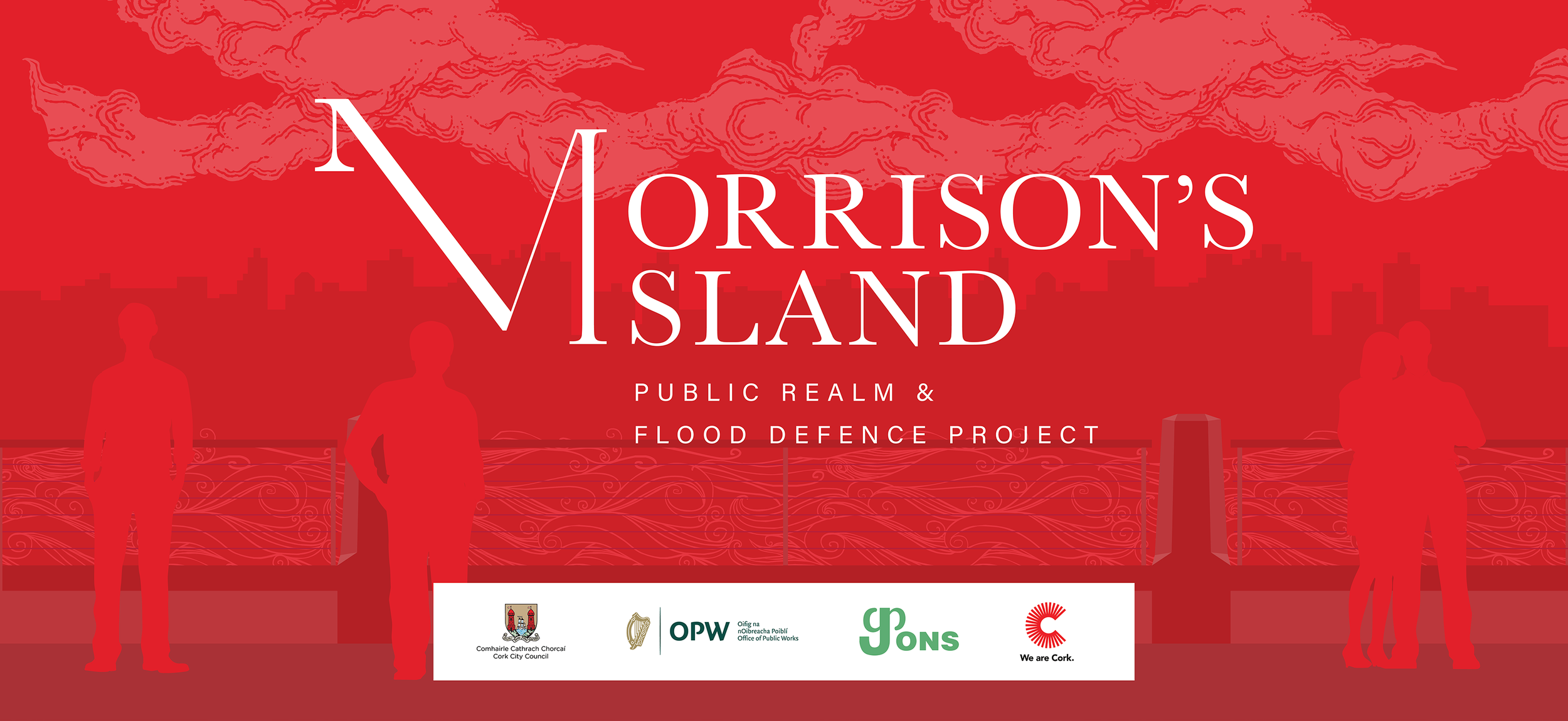
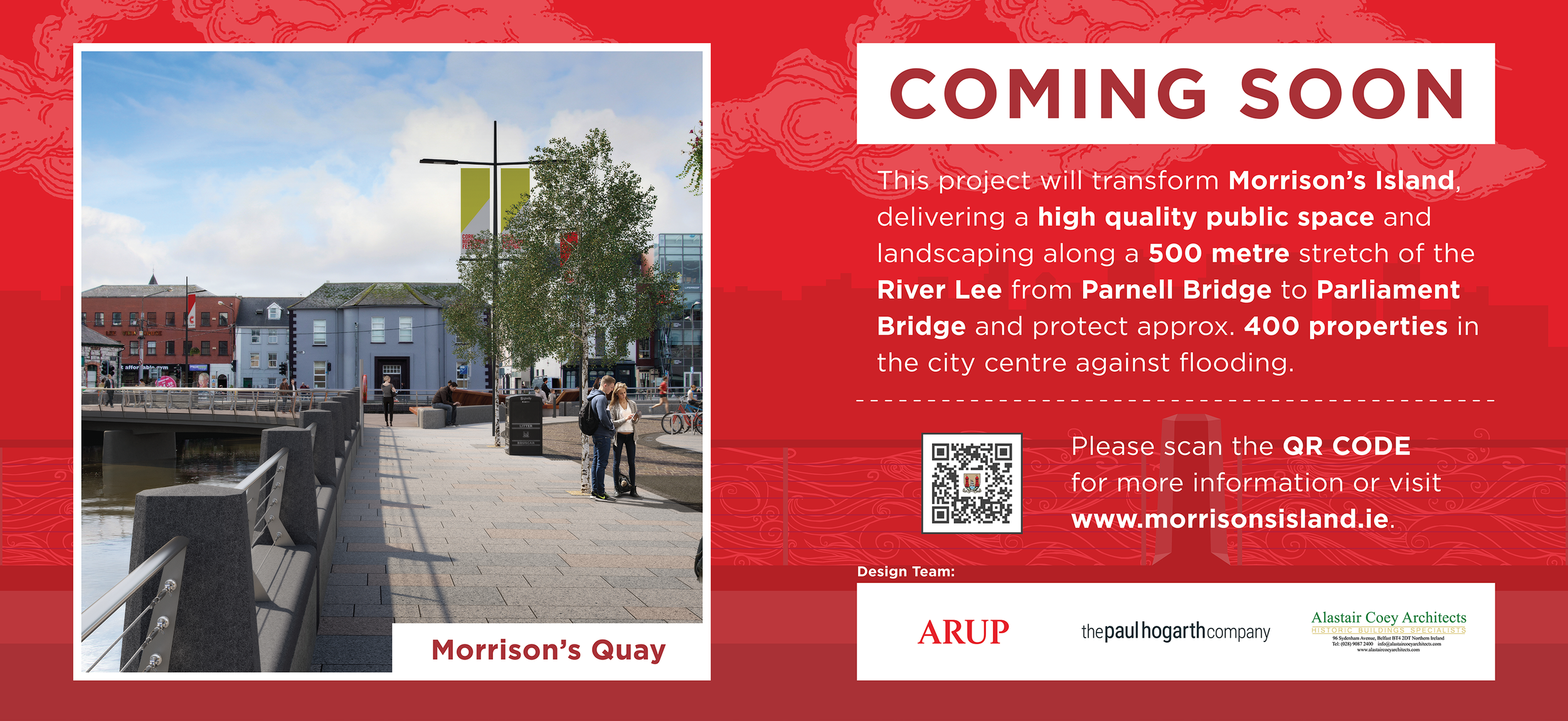
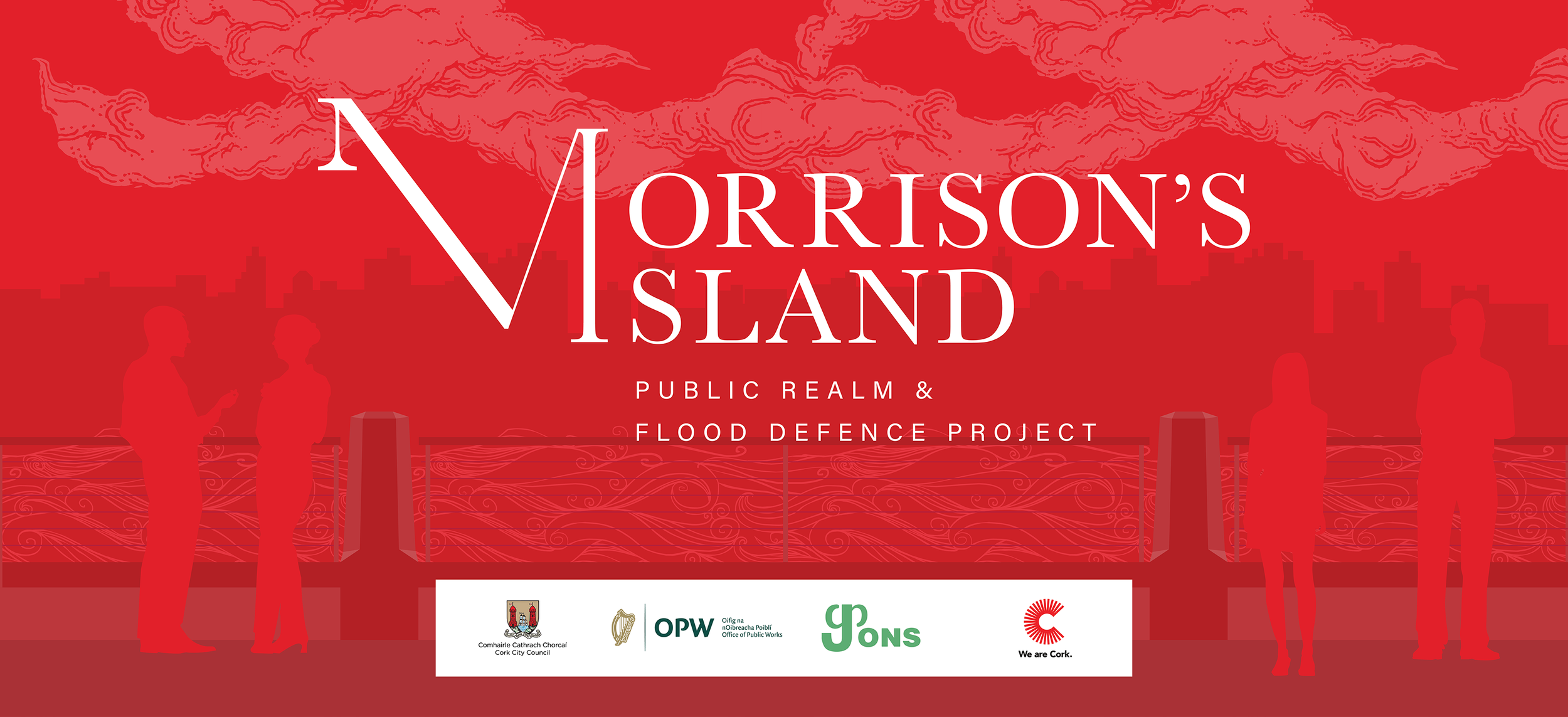
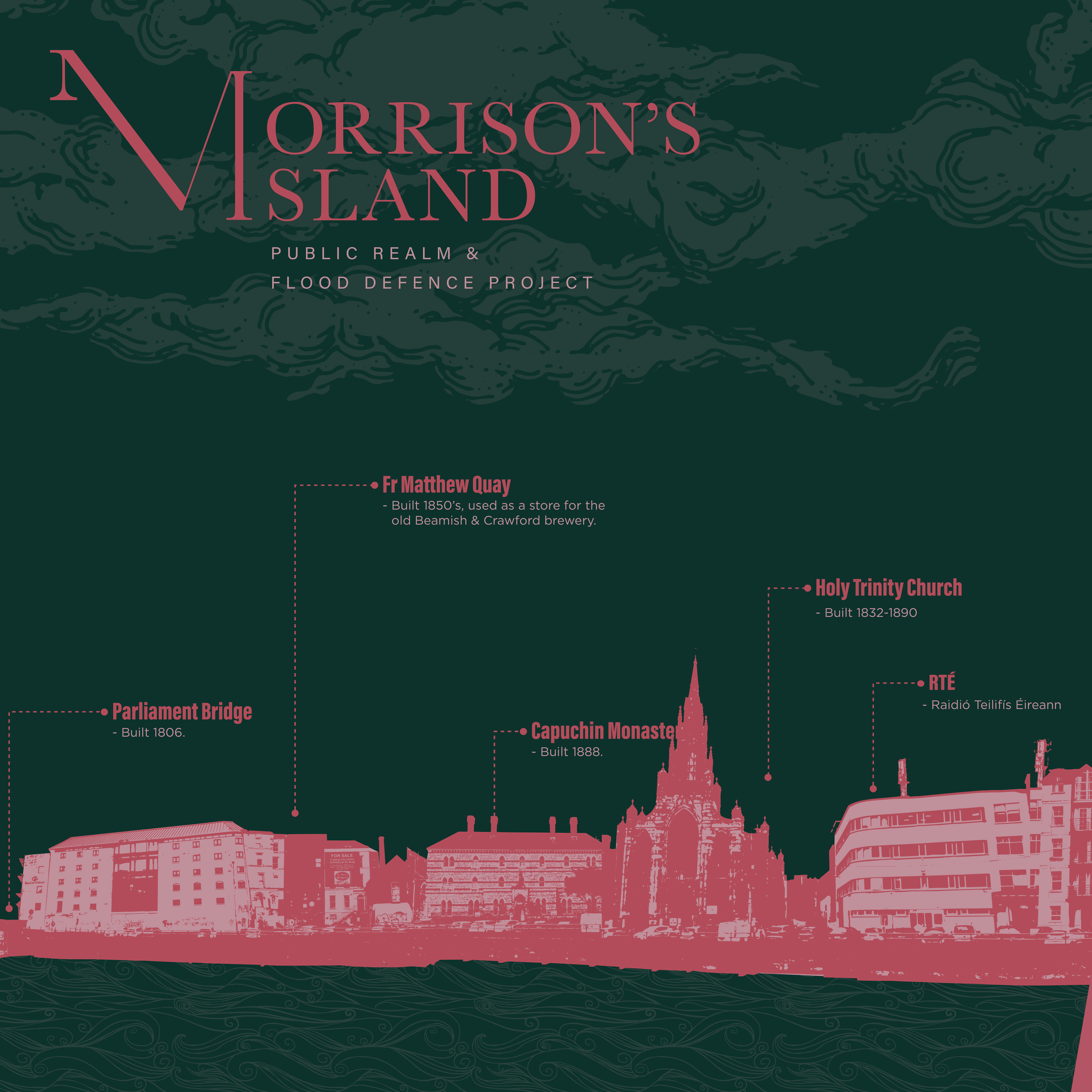
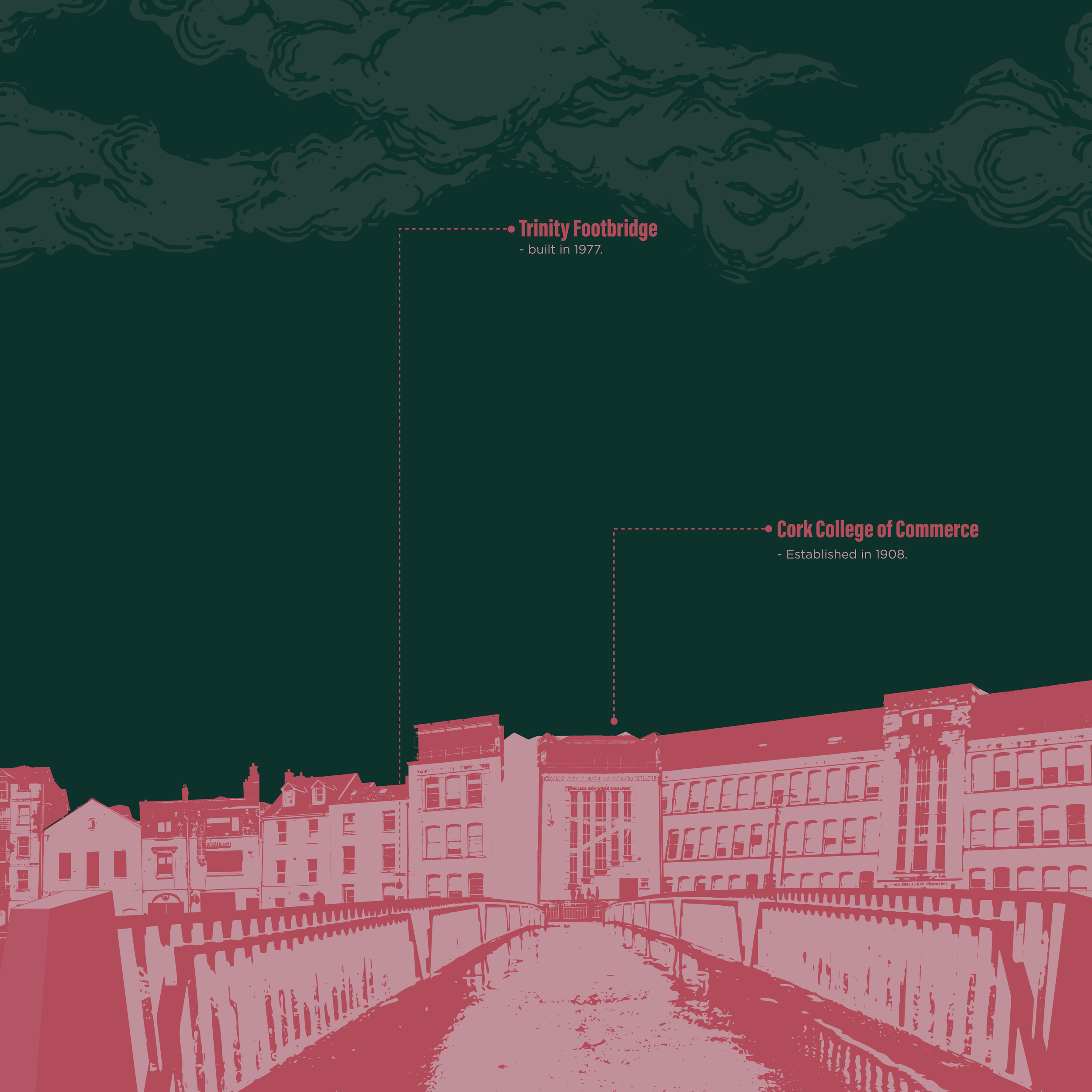
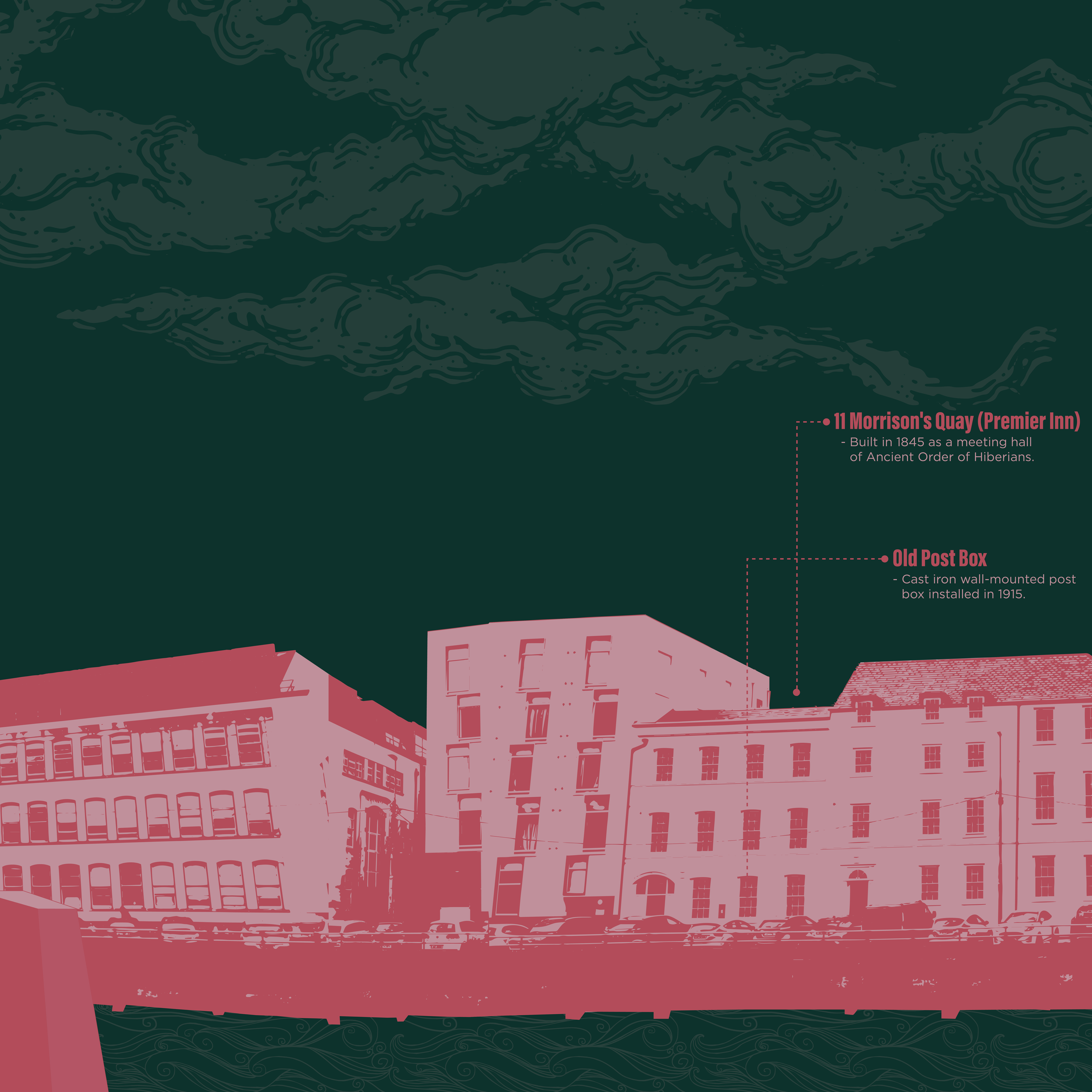
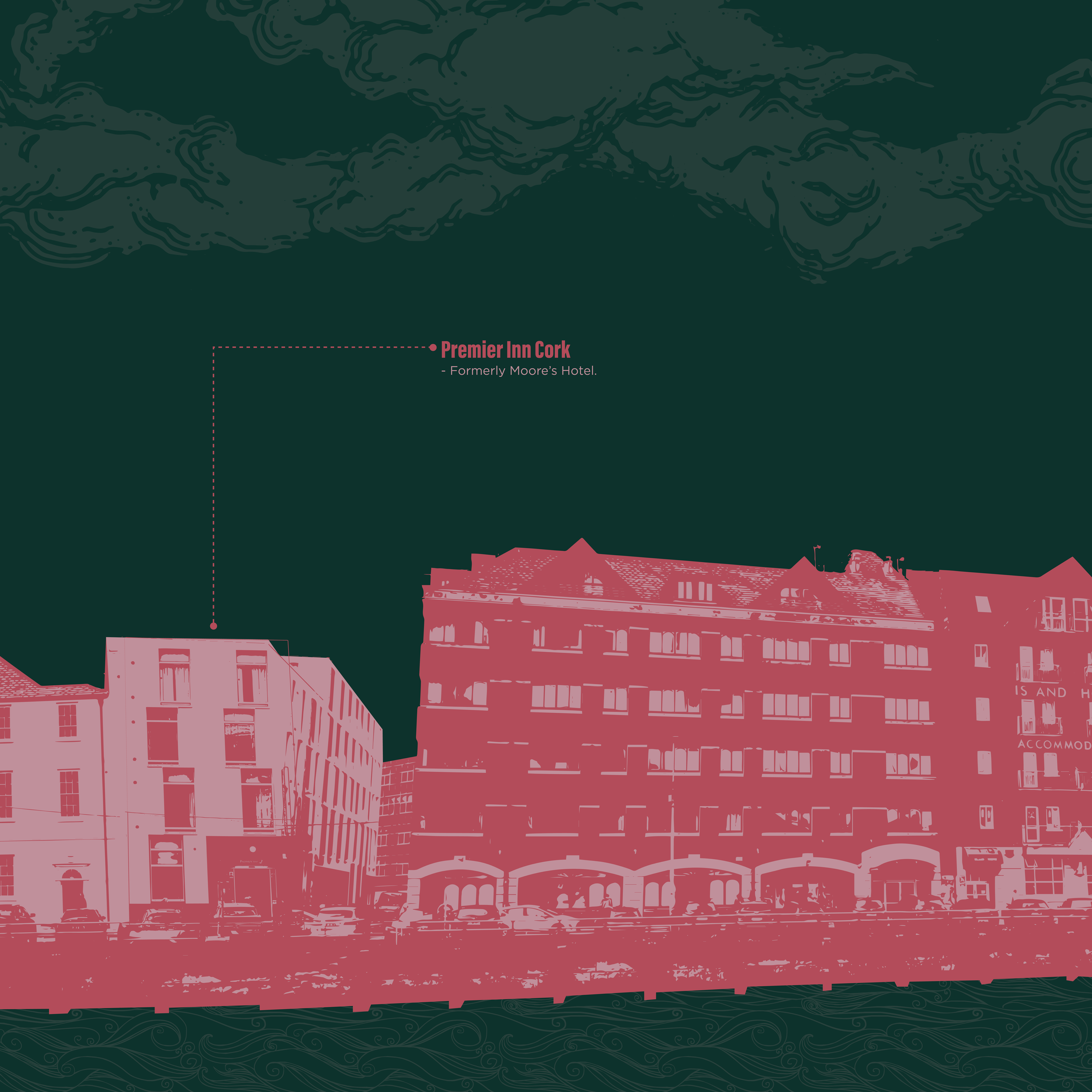
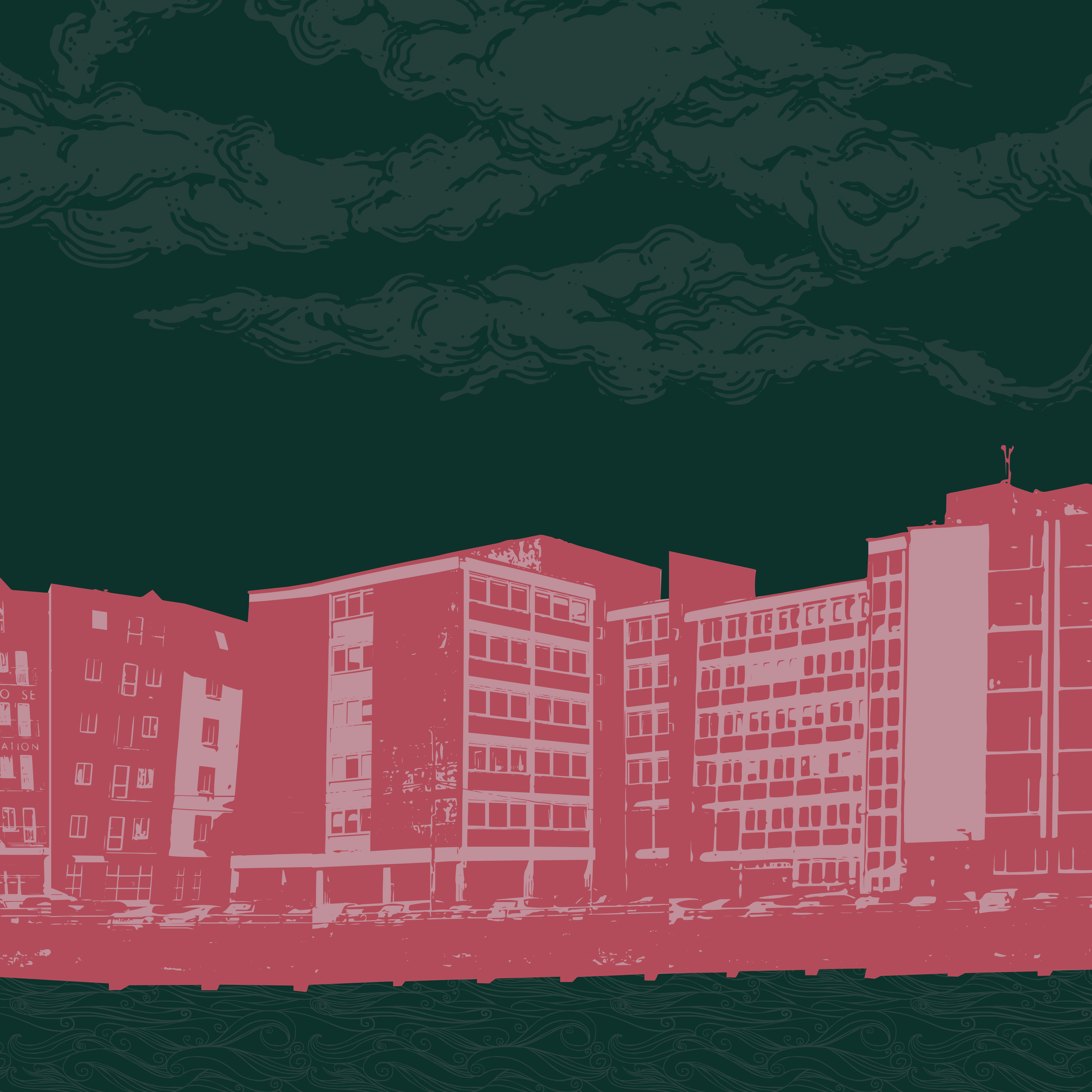
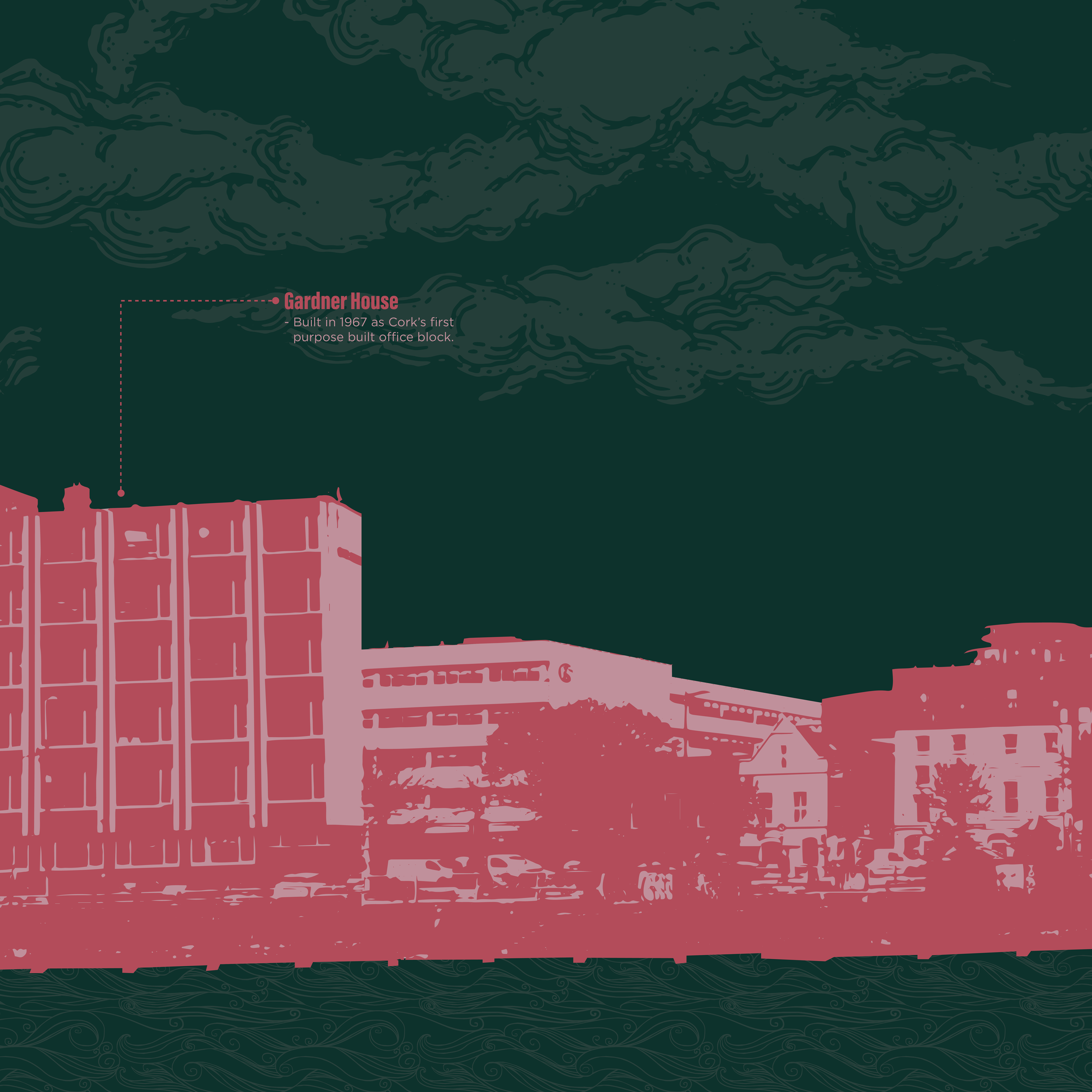
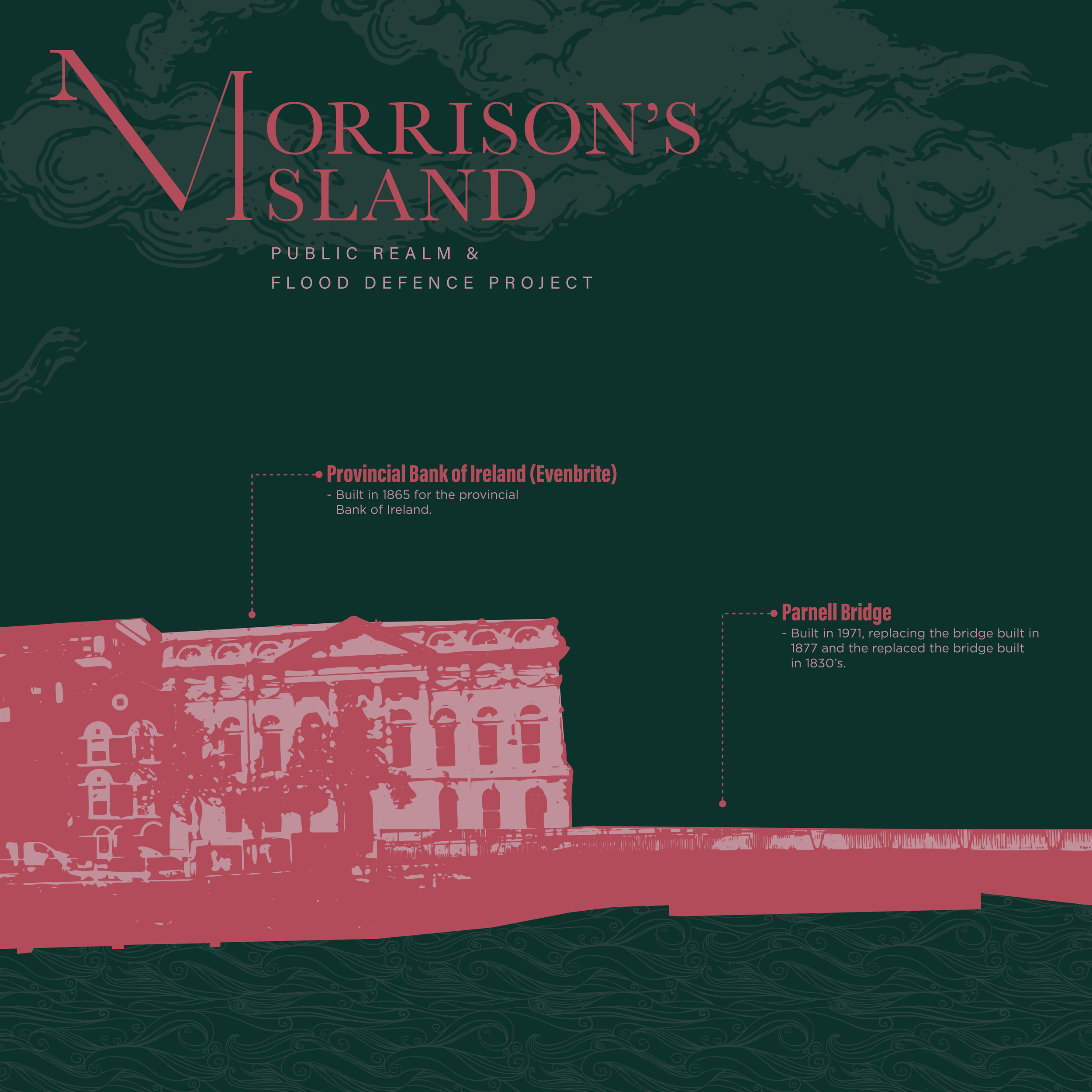
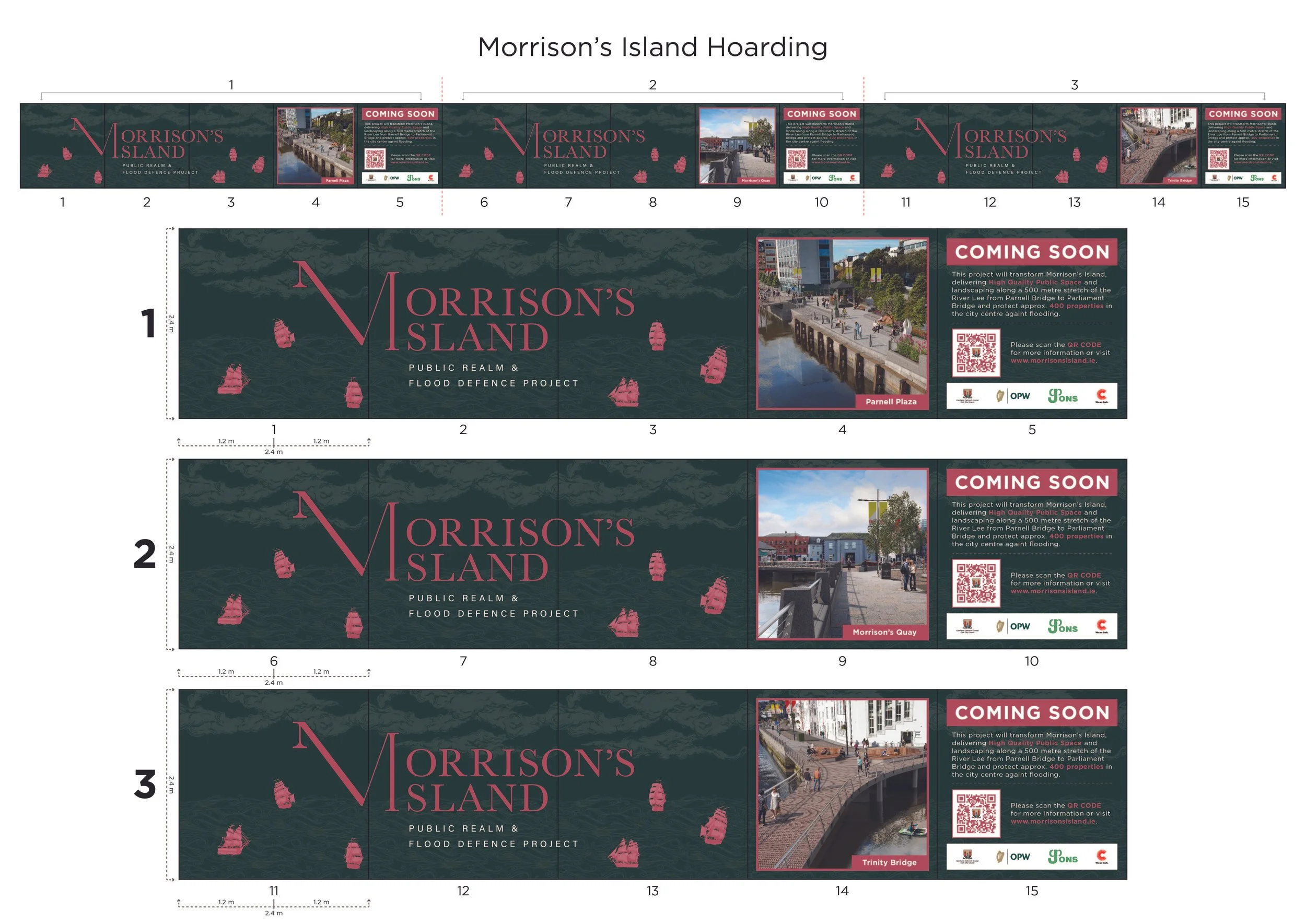
The hoarding was designed as a window into the future of Morrison’s Island. Spanning 16 panels, the design creates a continuous riverside narrative, with shifting silhouettes of people, architectural elements, and a changing cityscape flowing seamlessly from one panel to the next.
The illustrated railing was developed directly from the proposed flood defense and promenade design, referencing the real-life pillars and bars that will be installed as part of the finished project. This helped the hoarding function not just as a barrier, but as a visual preview of the future public realm.
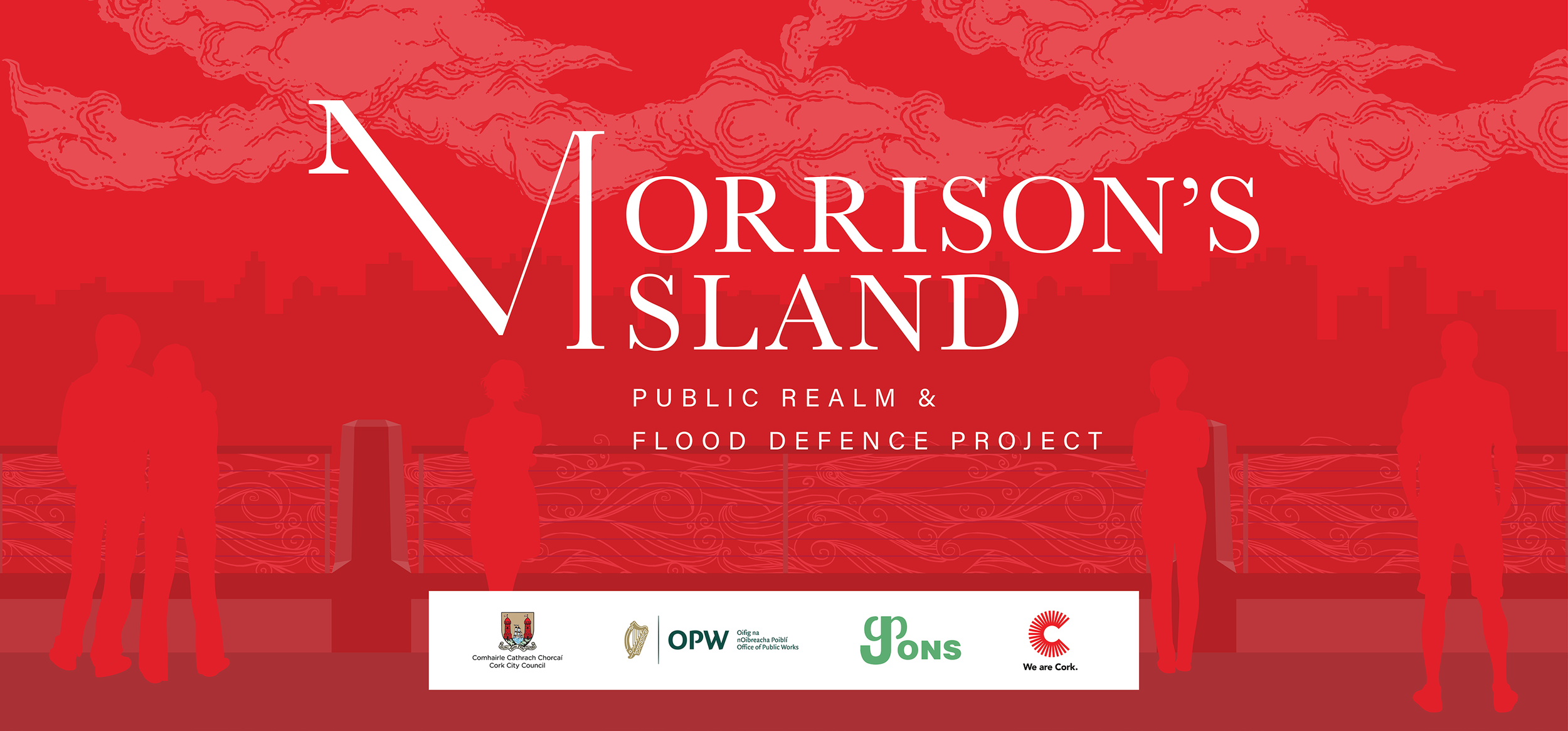
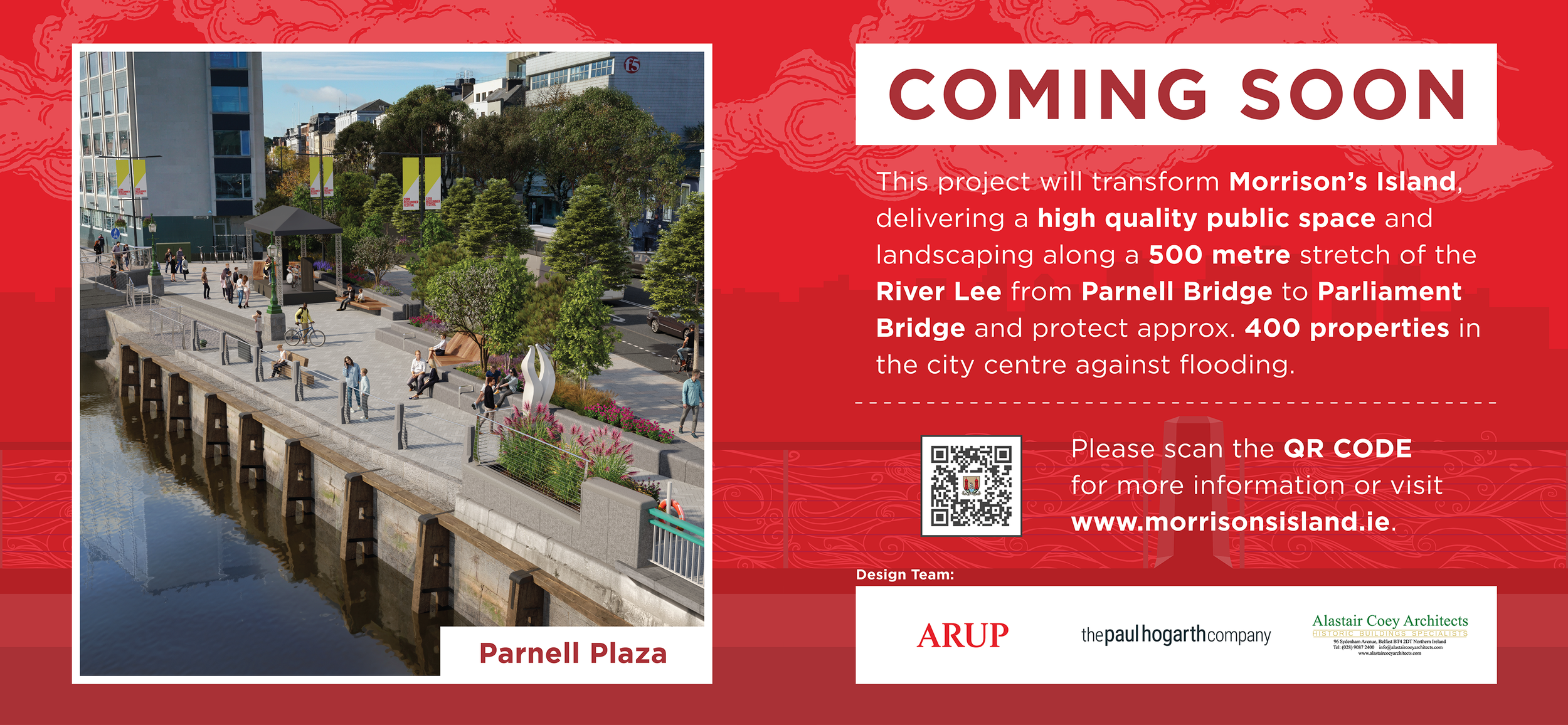
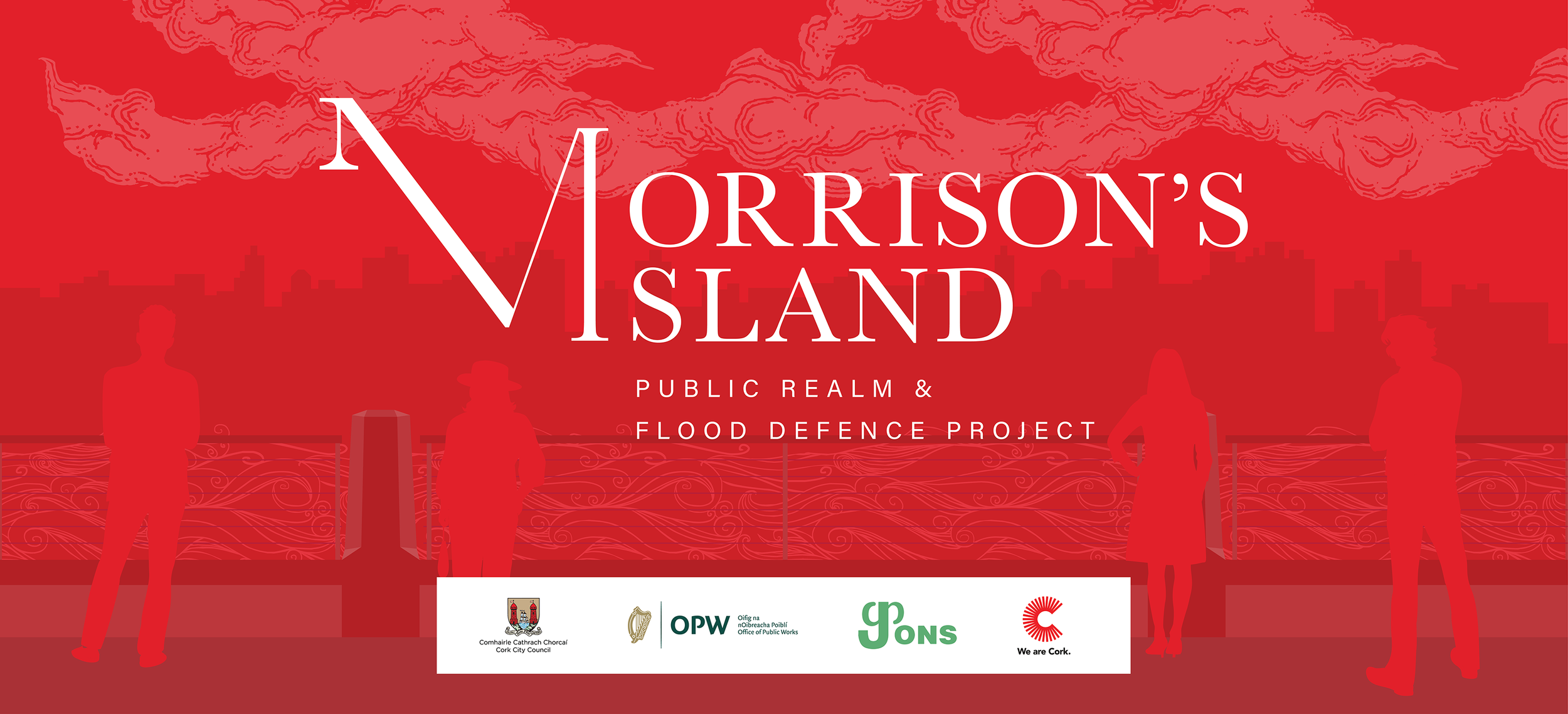
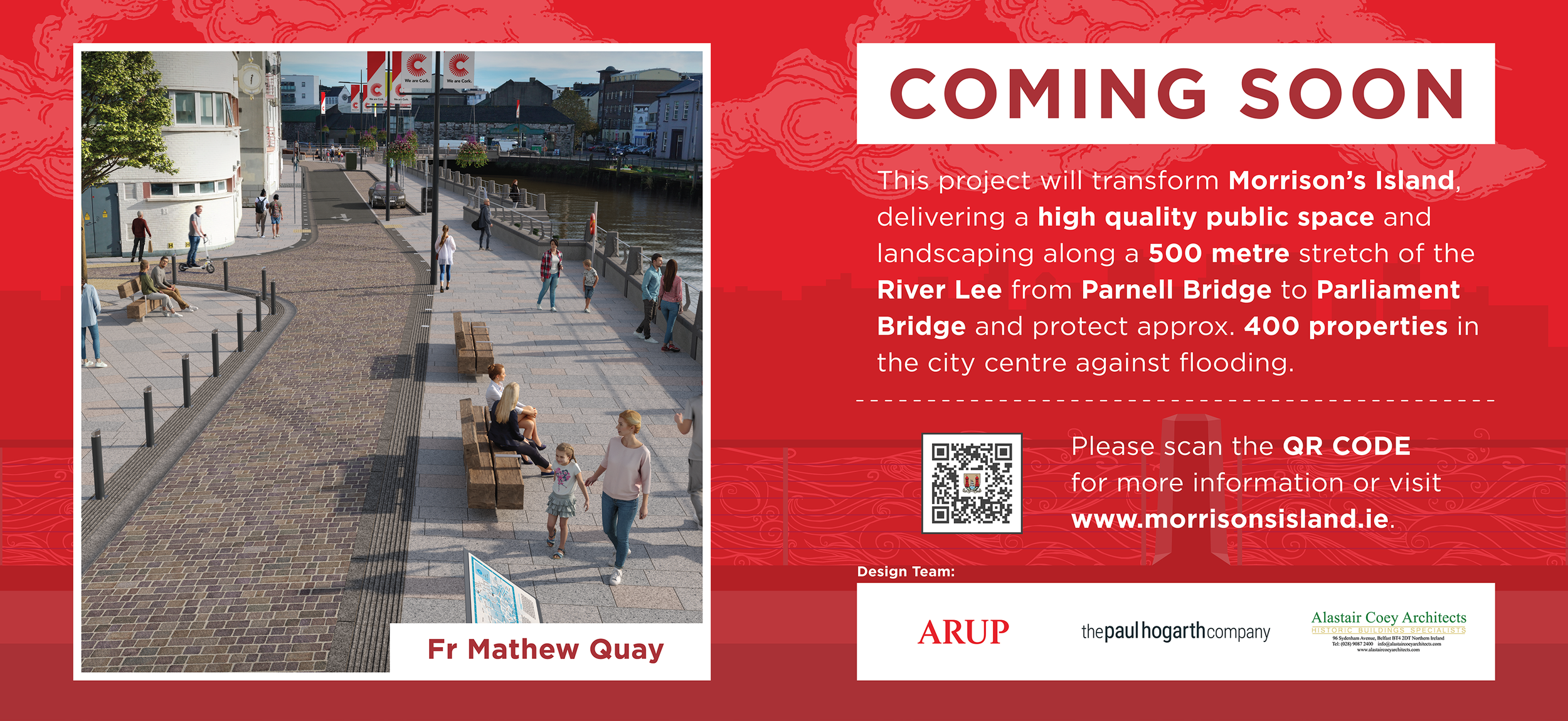
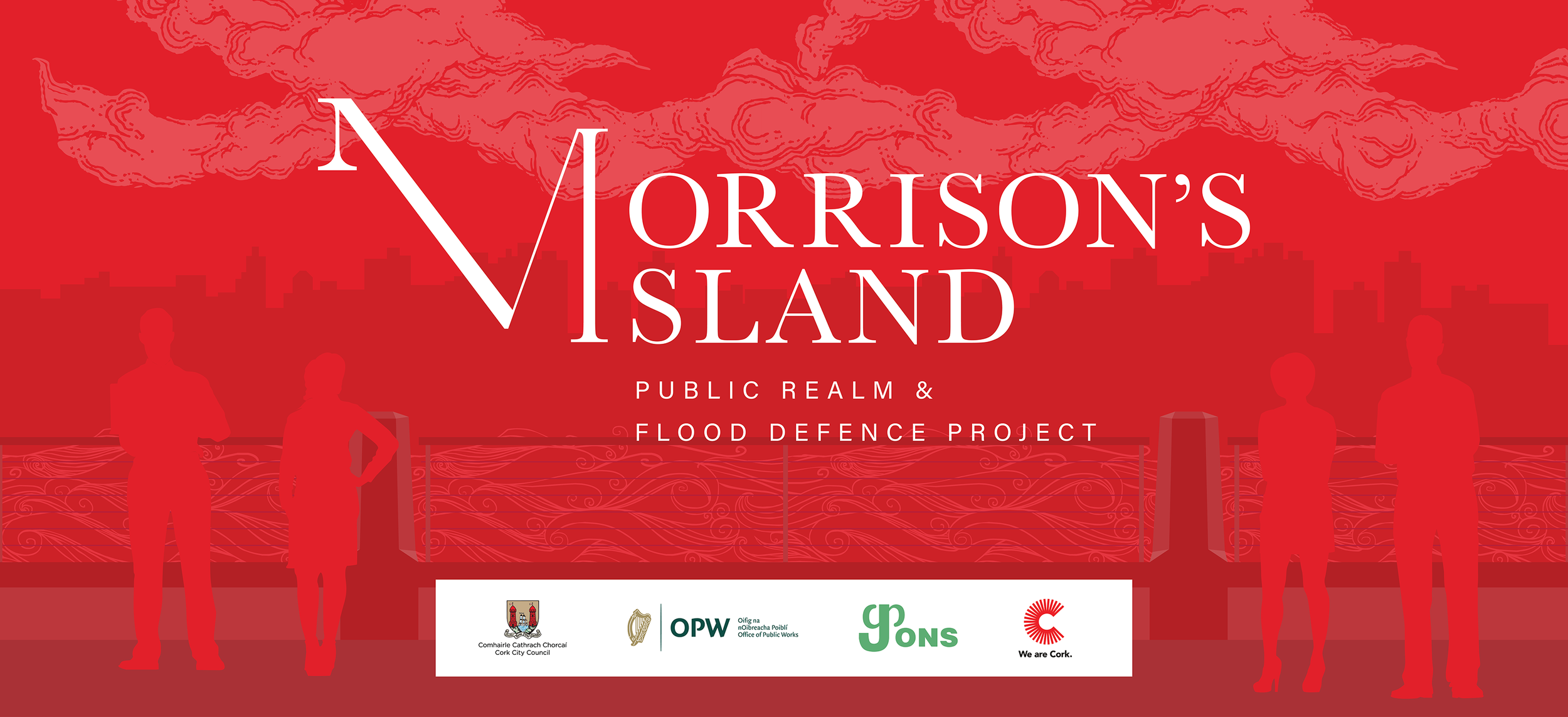
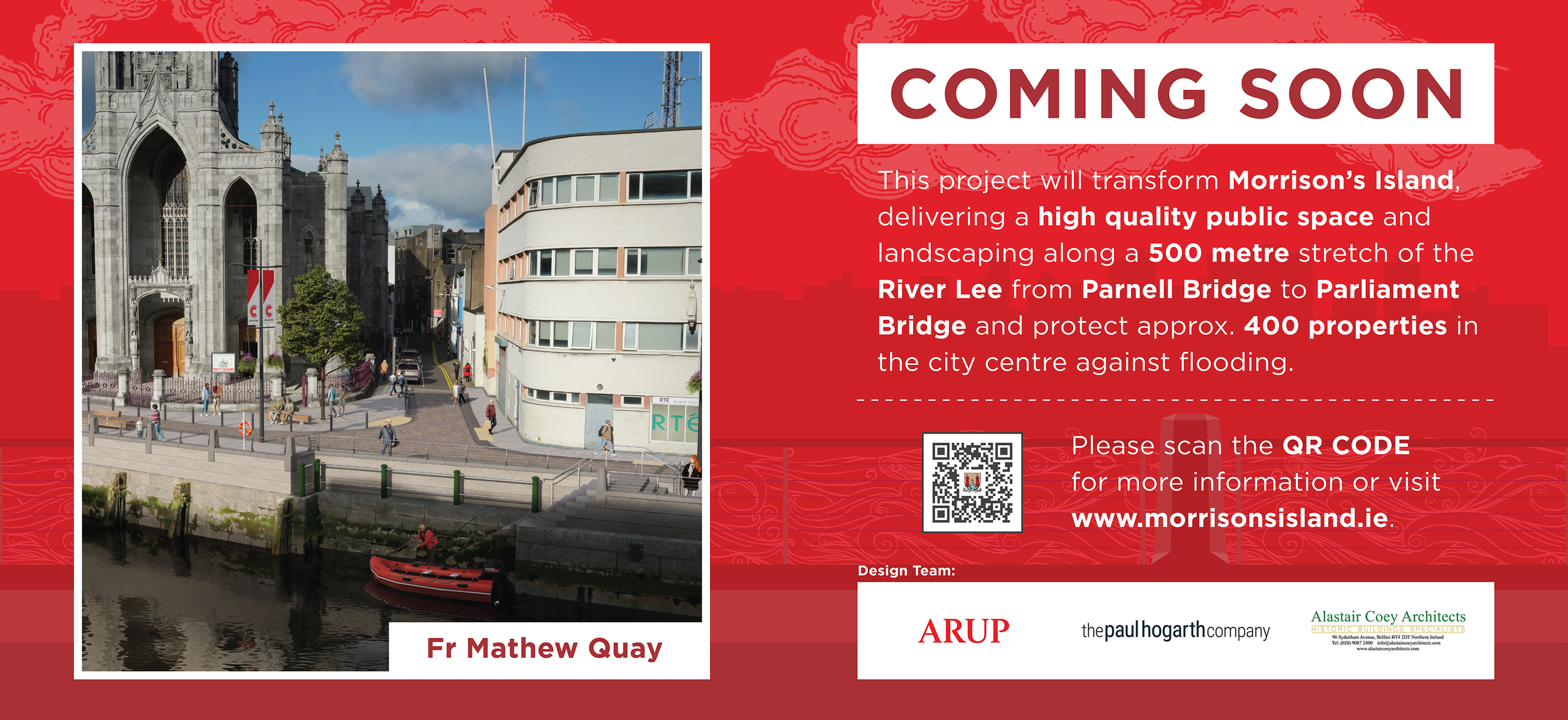
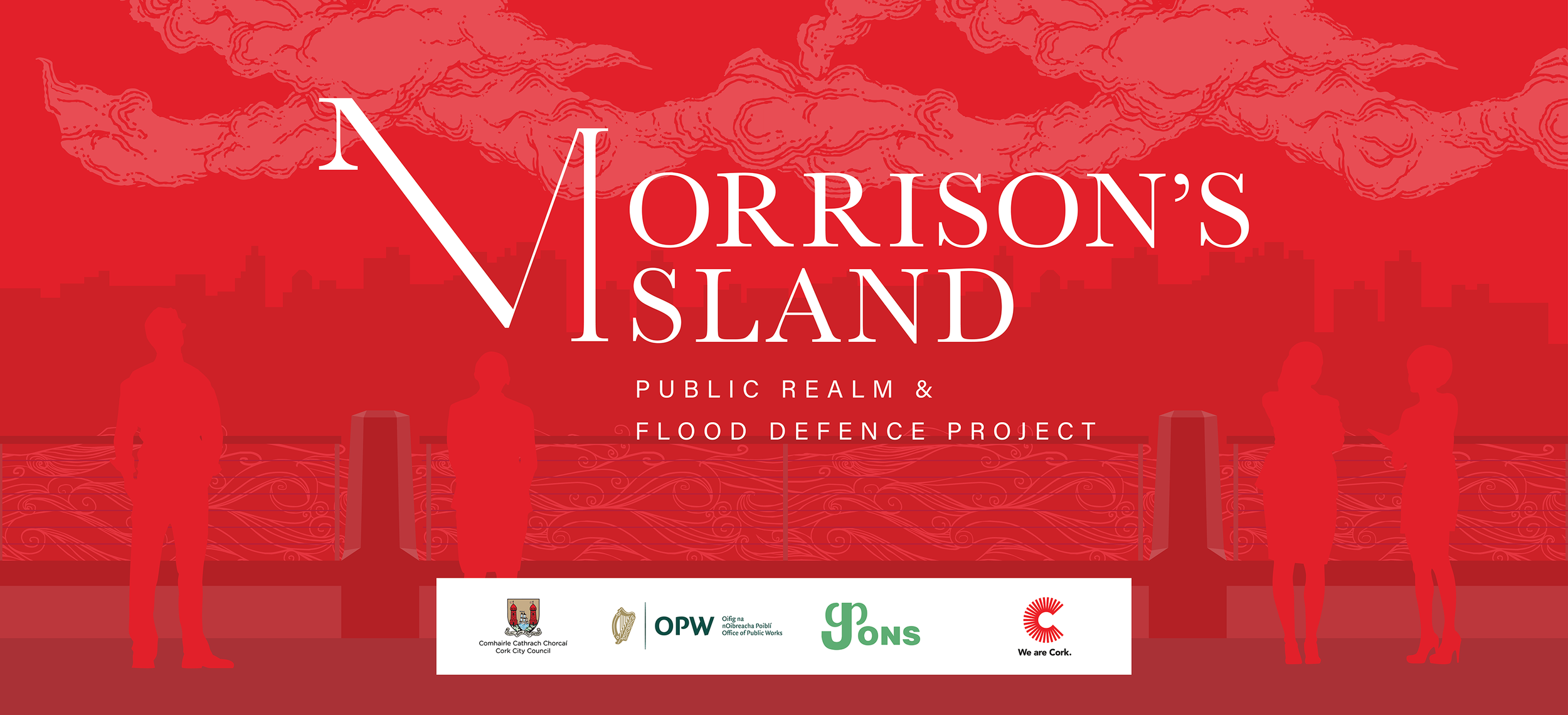
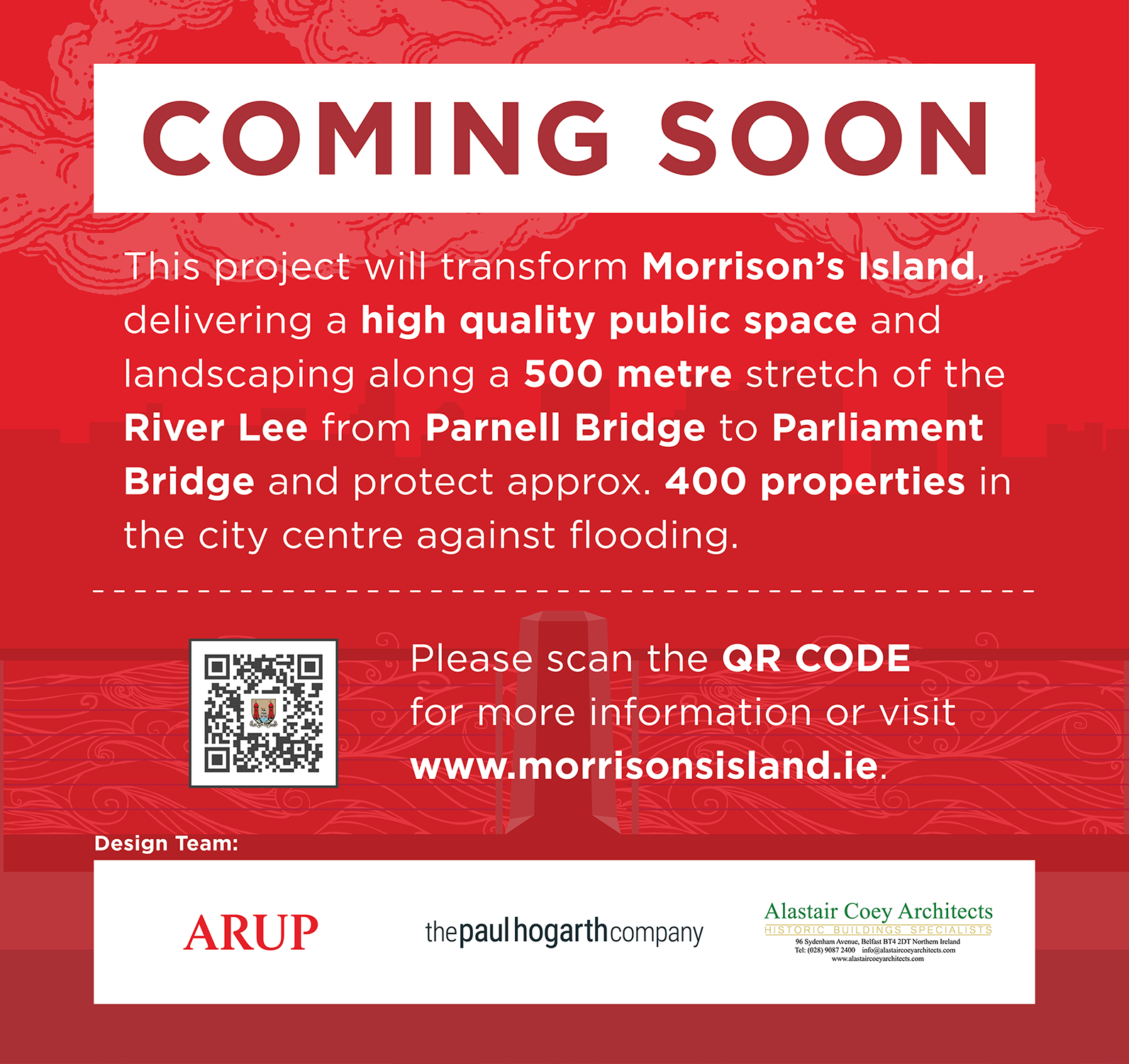
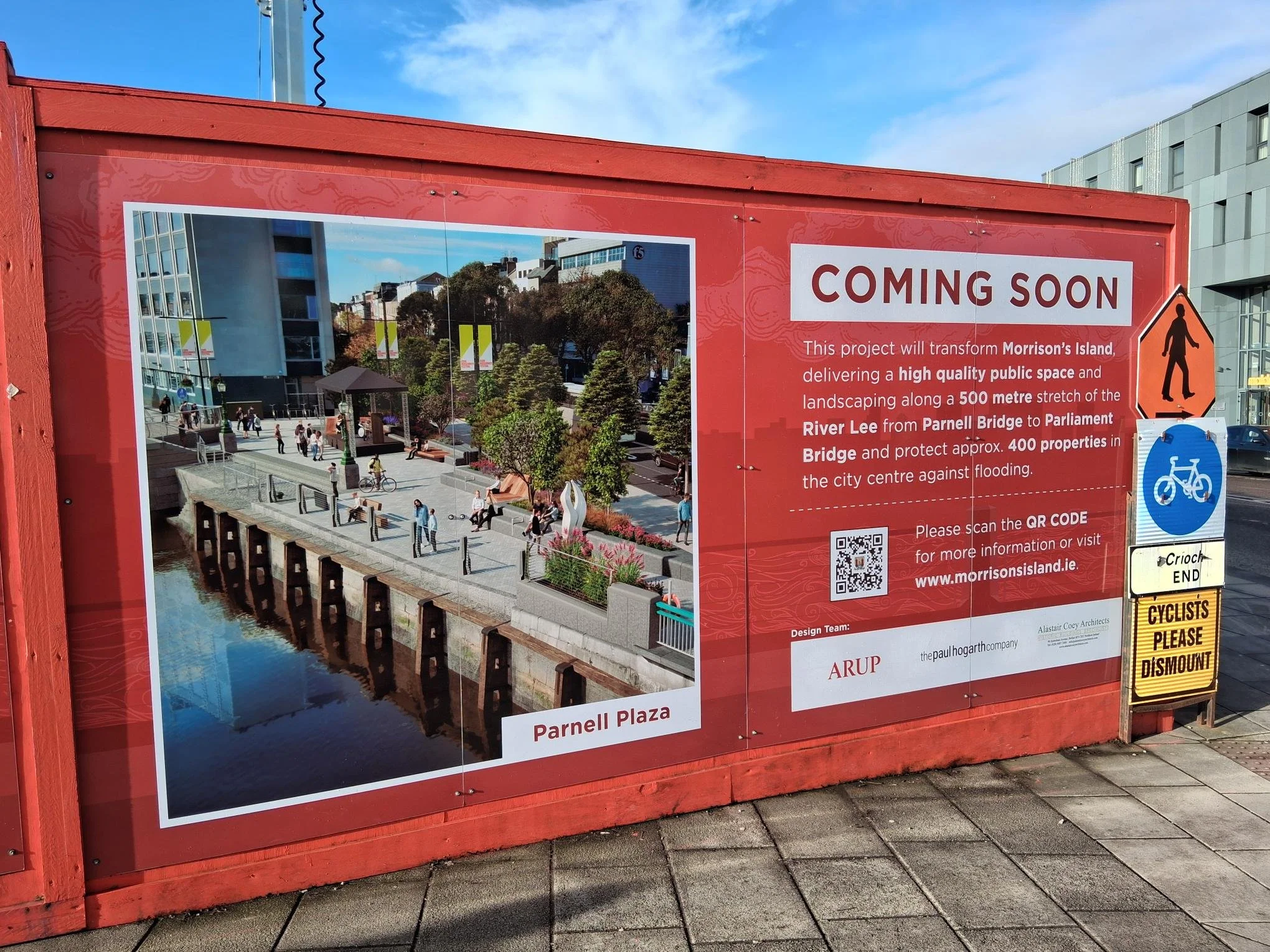
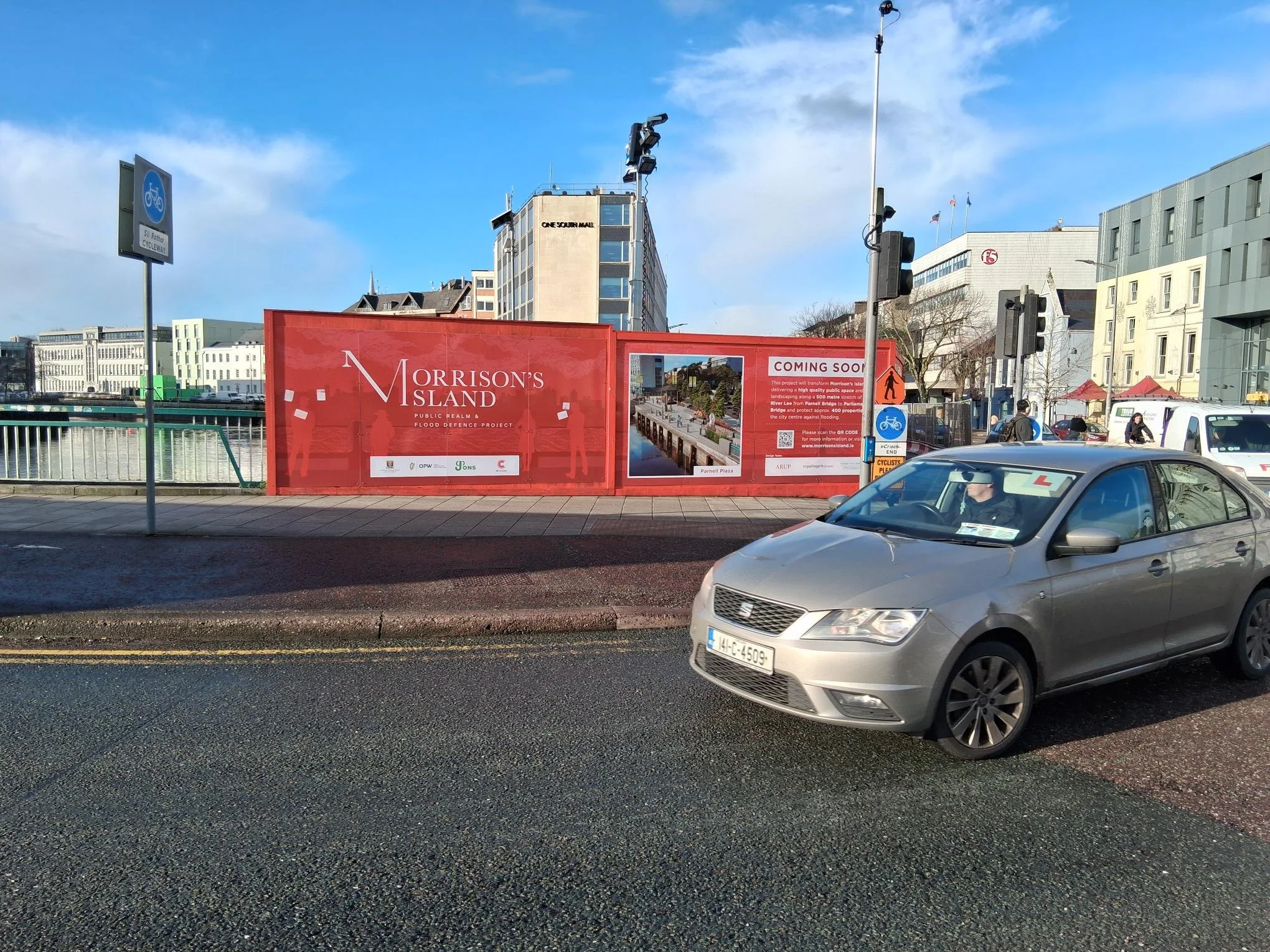
Installed Hoarding
Installed on site, the hoarding transformed a construction boundary into a public-facing storytelling surface.
A key part of the process involved responding quickly to site constraints. The initial concepts were based on a green palette that predated my involvement, but practical construction needs meant the site team used surplus red paint from a previous city project to coat the wooden hoarding. This required a rapid redesign of the color palette so the printed graphics would sit cohesively against the red base.
This shift became an opportunity to demonstrate creative flexibility and problem-solving under real-world constraints, adapting the visual system while maintaining clarity and impact.
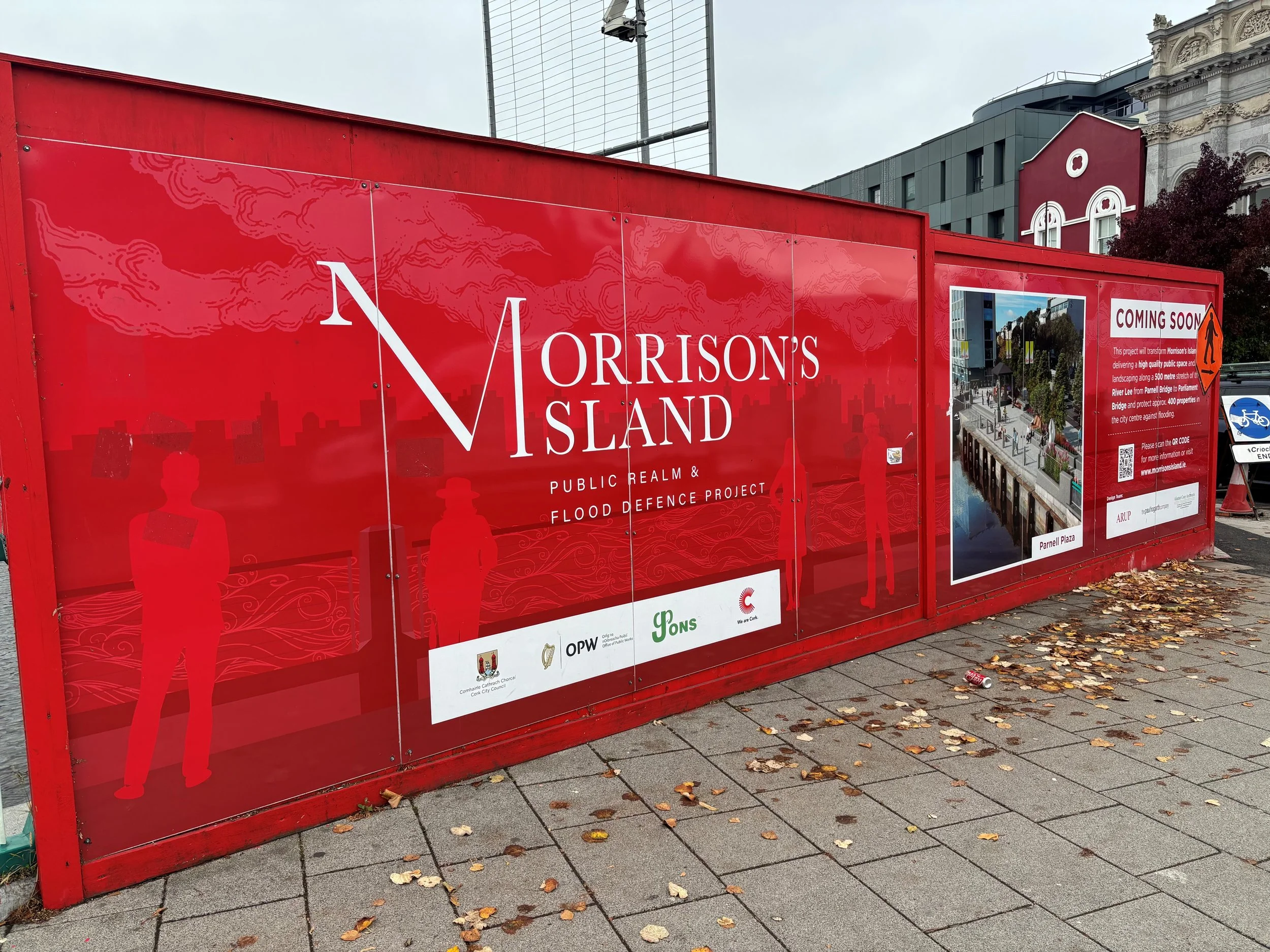
Explorations
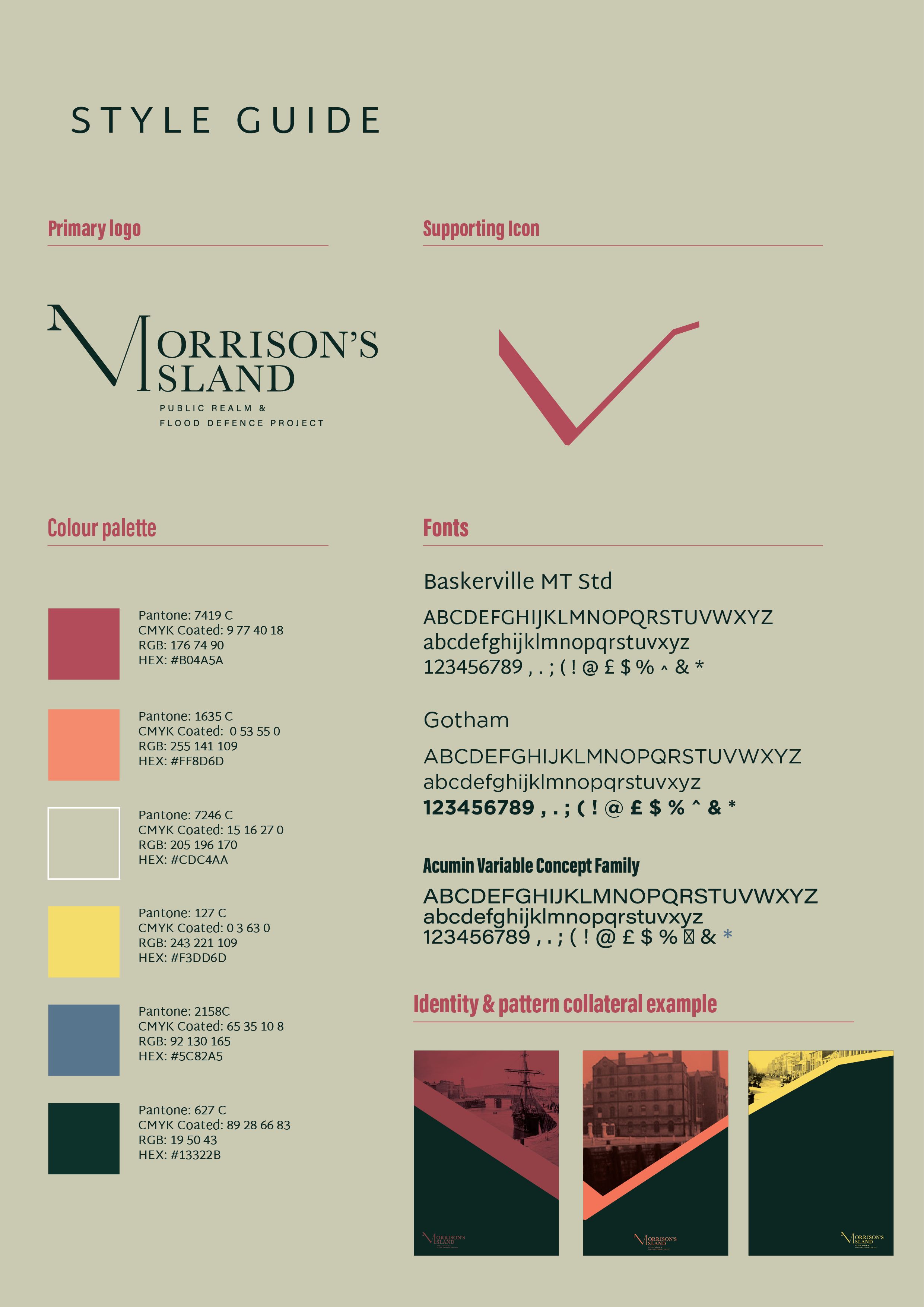
Early concepts explored color, illustration style, layout systems, and tone, testing how the future riverside experience could be communicated across a long, multi-panel format.
These studies focused on creating a balance between civic storytelling, readability, and visual continuity, ensuring each panel could work independently while contributing to a larger narrative across the full installation.
The iterative process helped refine the final visual language used on site and across wider communications.

Social Media - Traffic Diversions
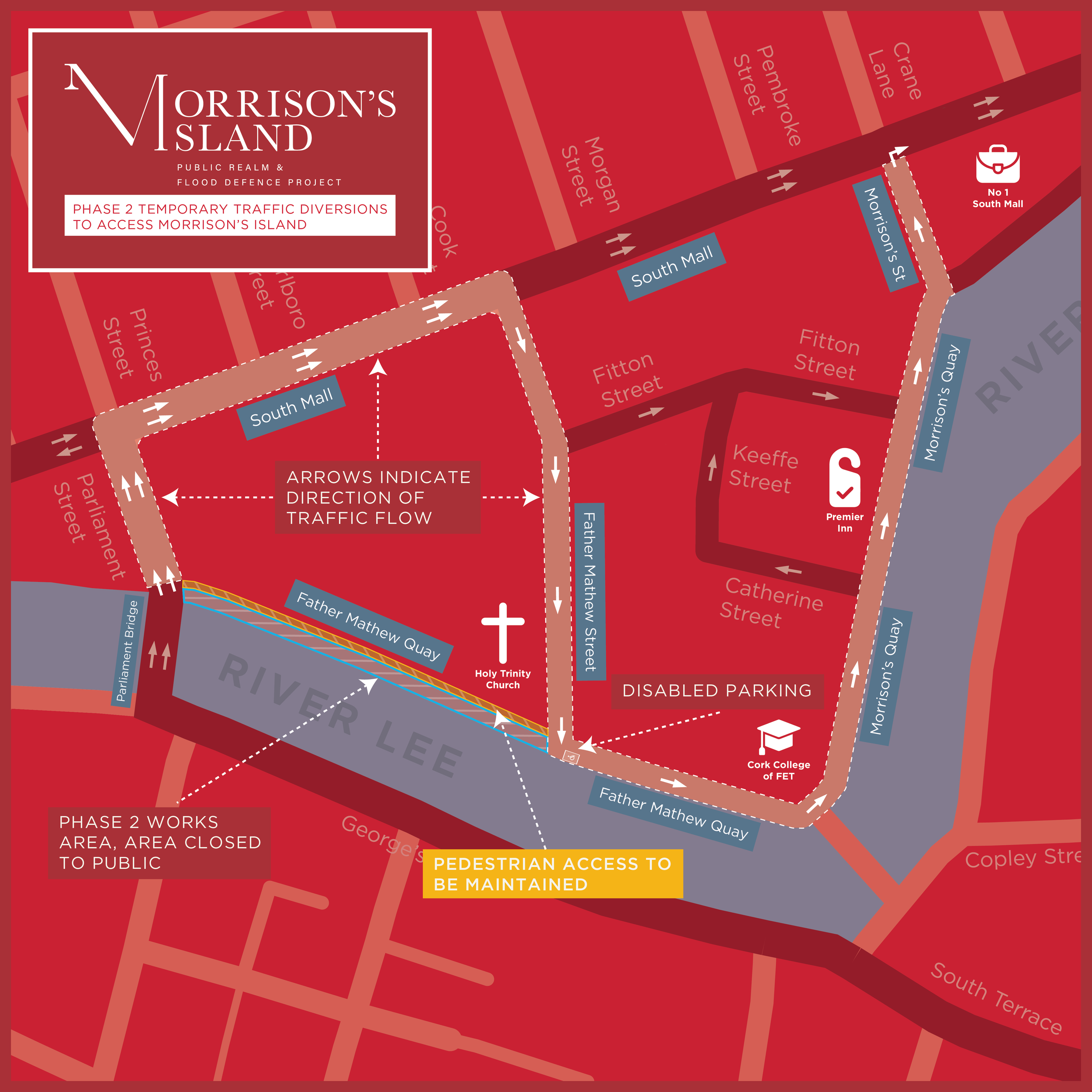
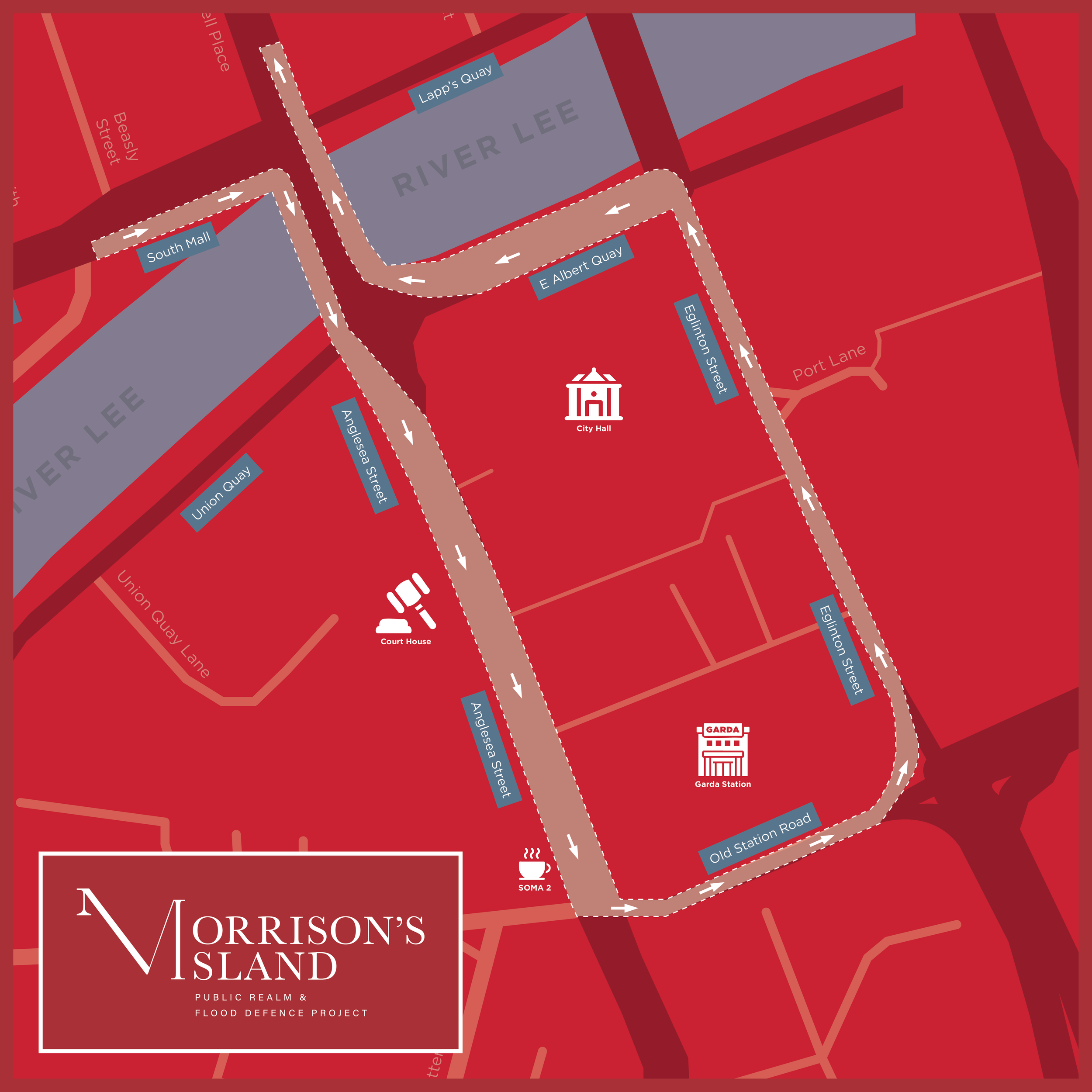
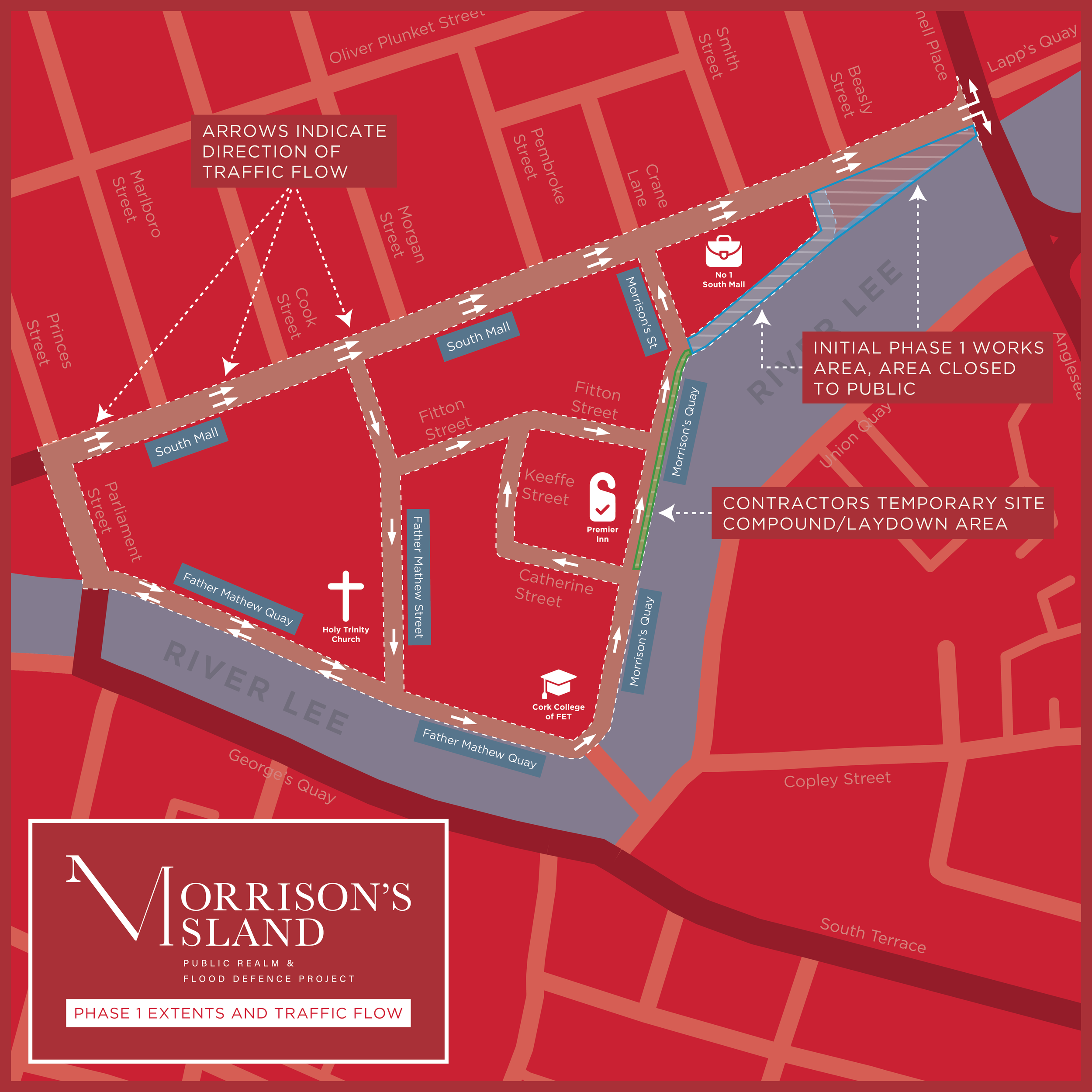
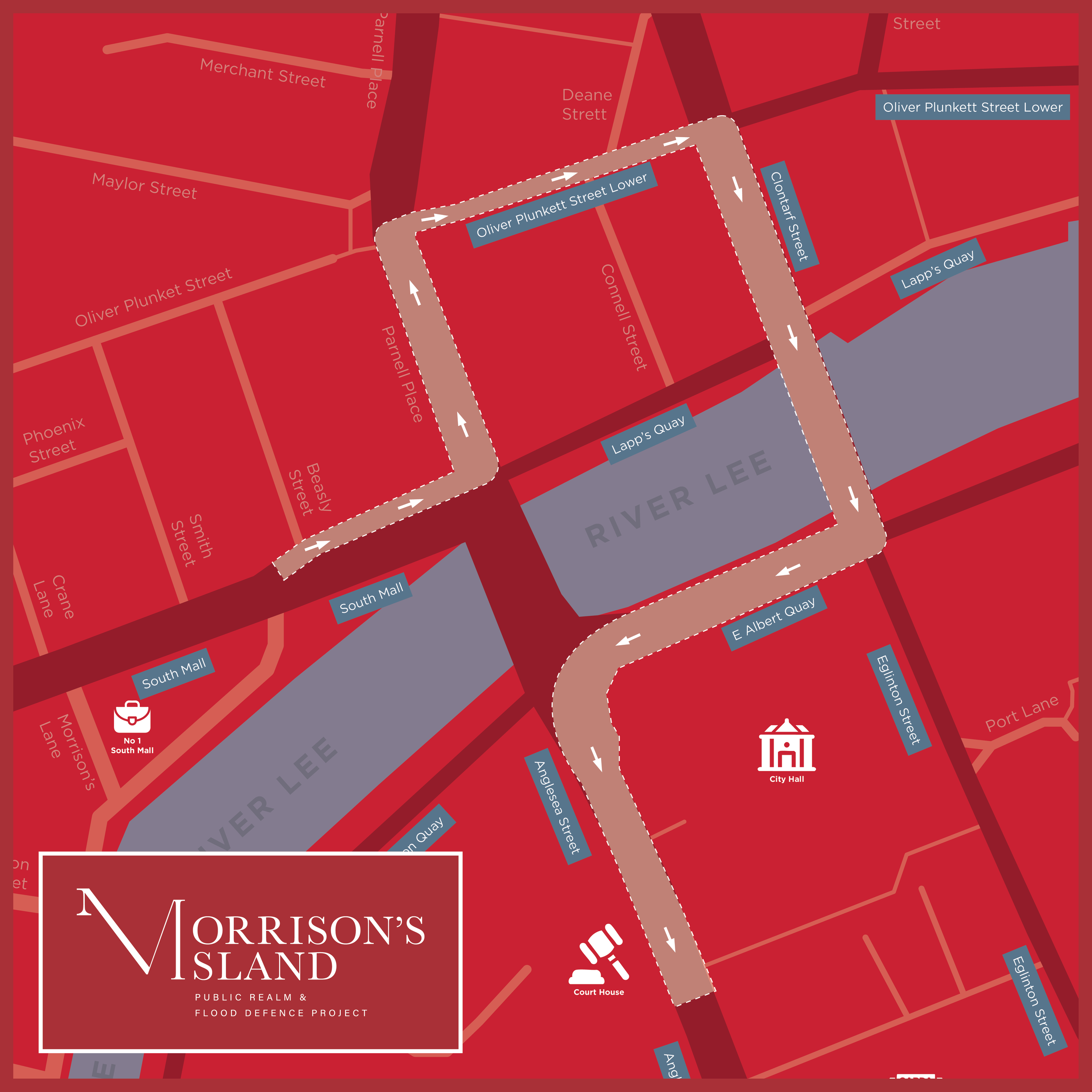
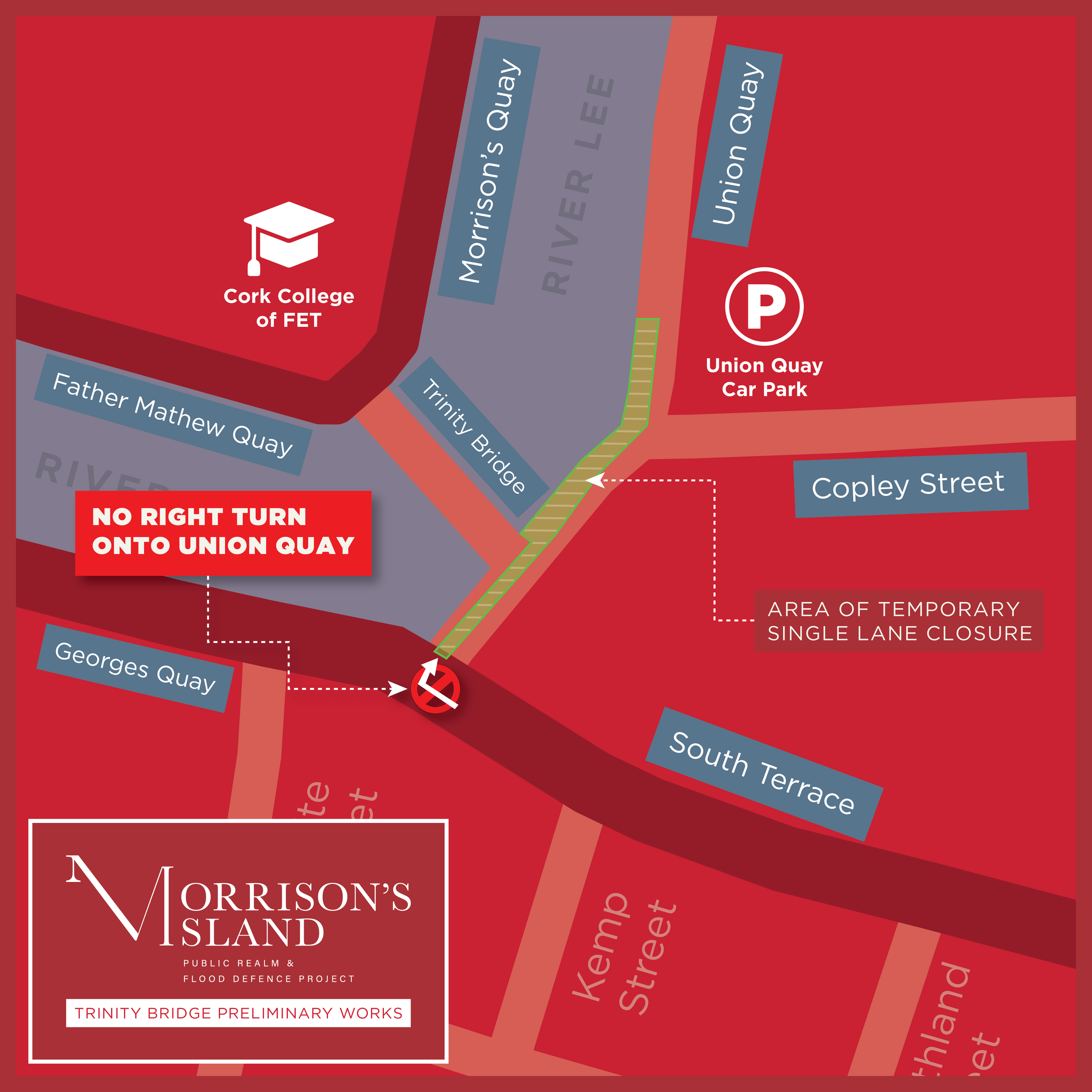
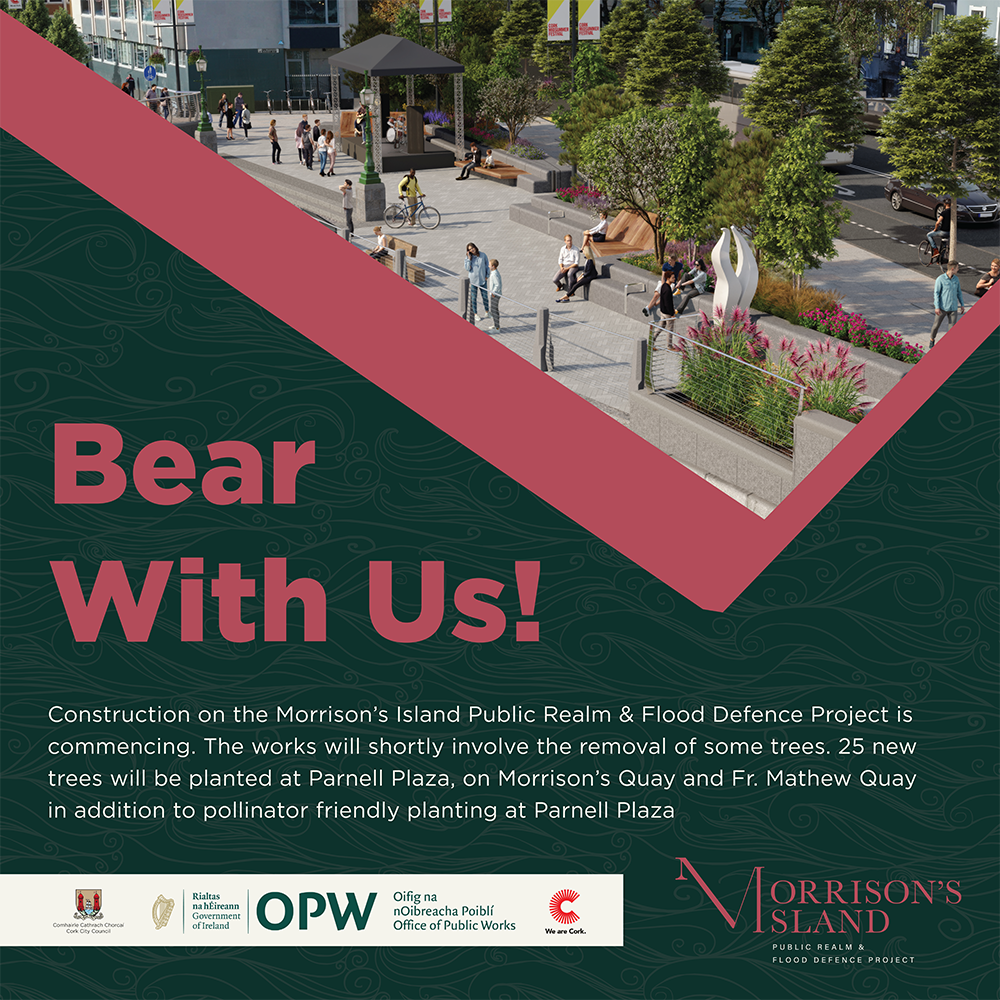
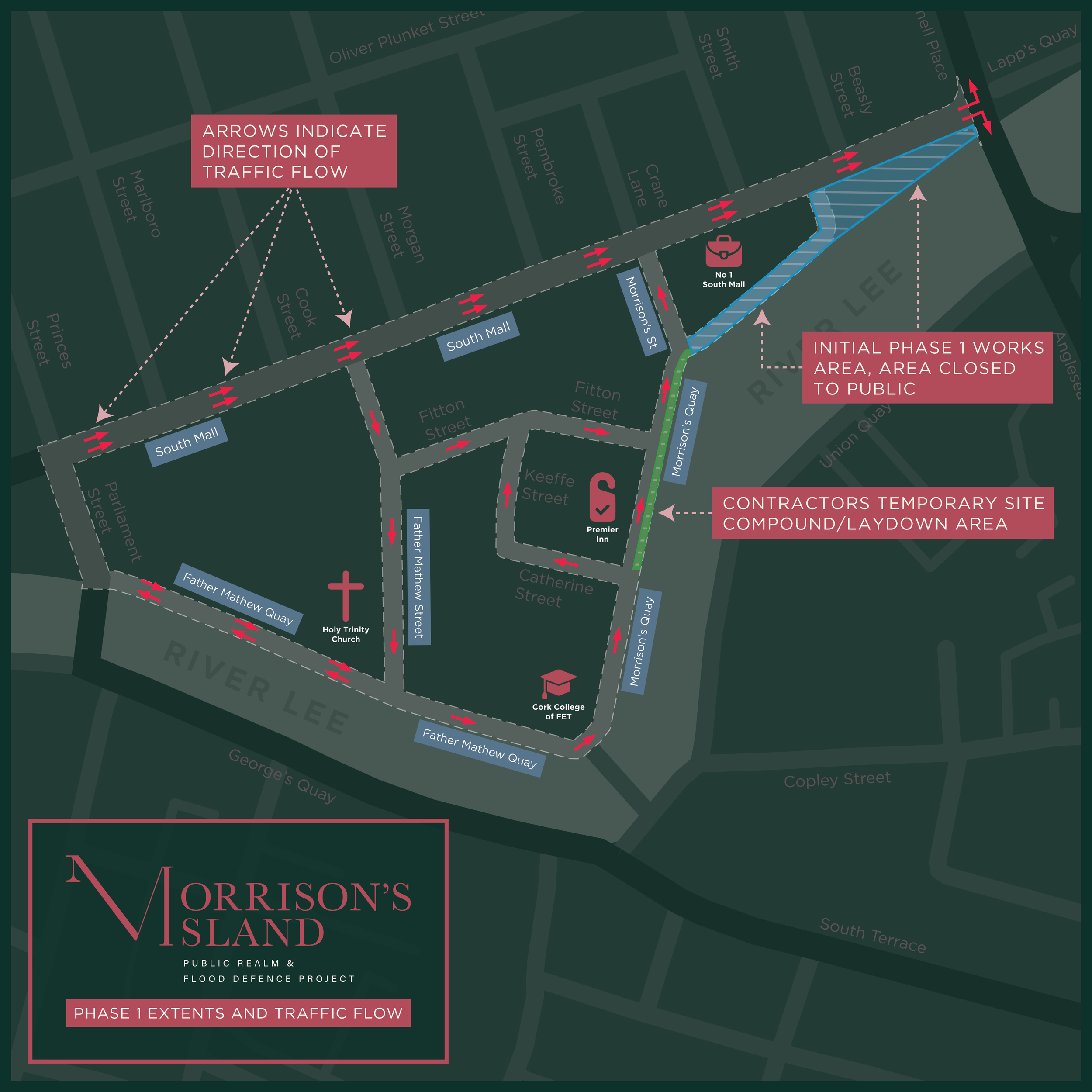
Alongside the physical hoarding, I developed a suite of social media assets and traffic diversion communications to support public awareness during construction.
These graphics translated route changes and temporary access information into clear, easily digestible visual updates, helping residents, businesses, and commuters navigate the evolving works while reinforcing trust and transparency throughout the project lifecycle.