Big Belly Bins
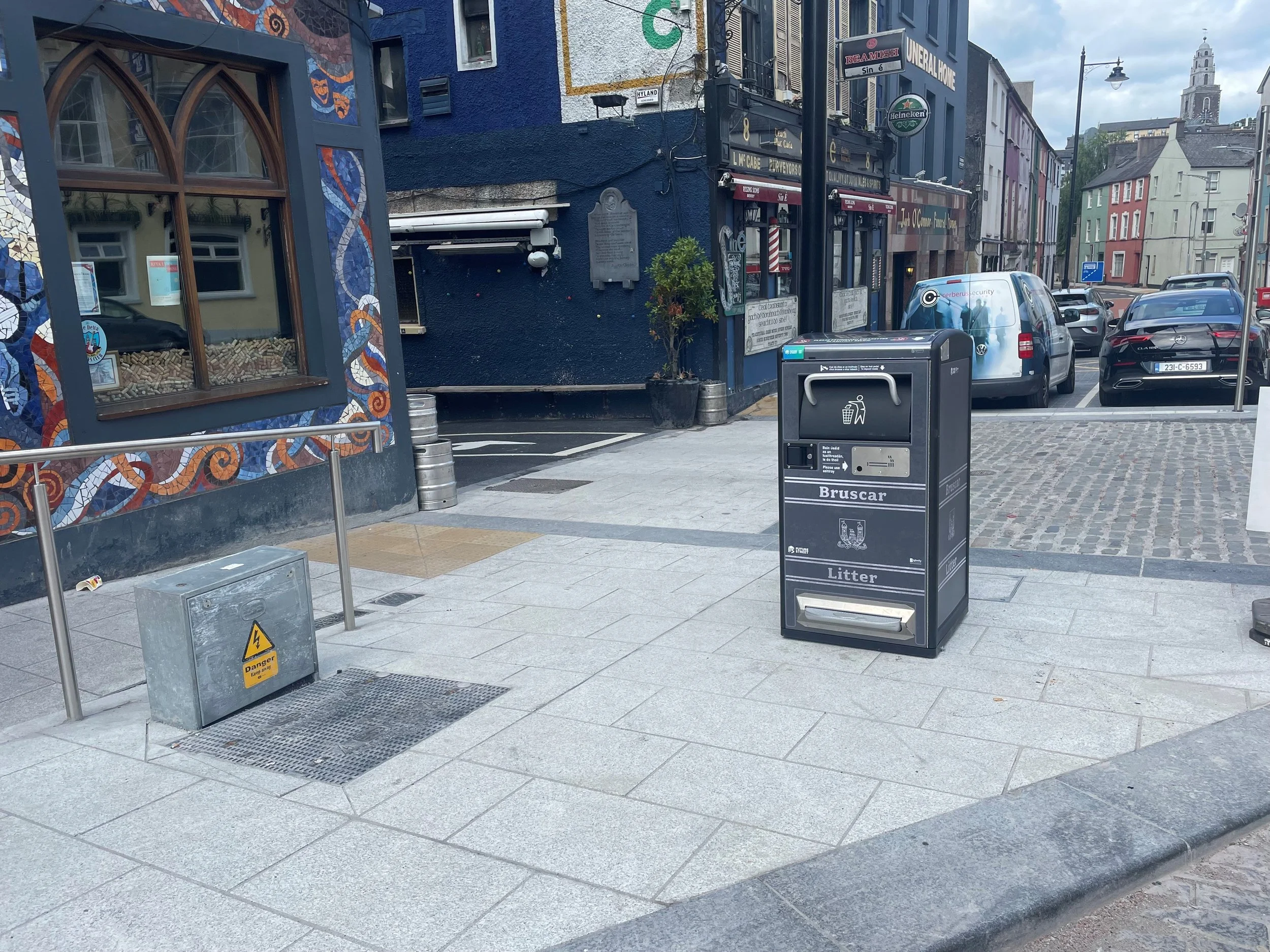
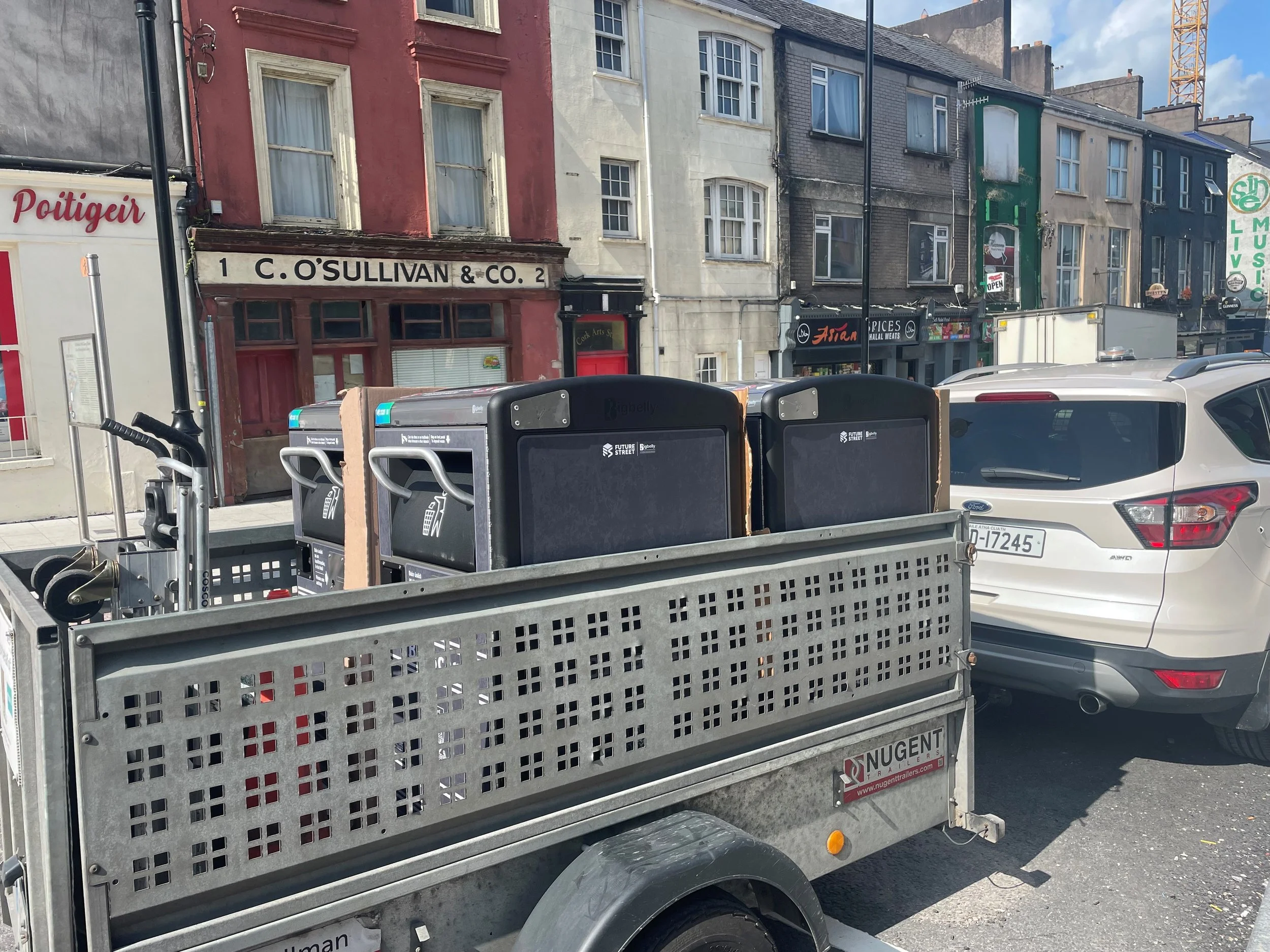
As part of the wider MacCurtain Street Improvement Project, this work focused on reimagining Cork City’s Big Belly bins as part of the public streetscape rather than purely functional street furniture. The aim was to create a more cohesive and considered visual presence within the city center, aligning everyday infrastructure with the surrounding urban environment.
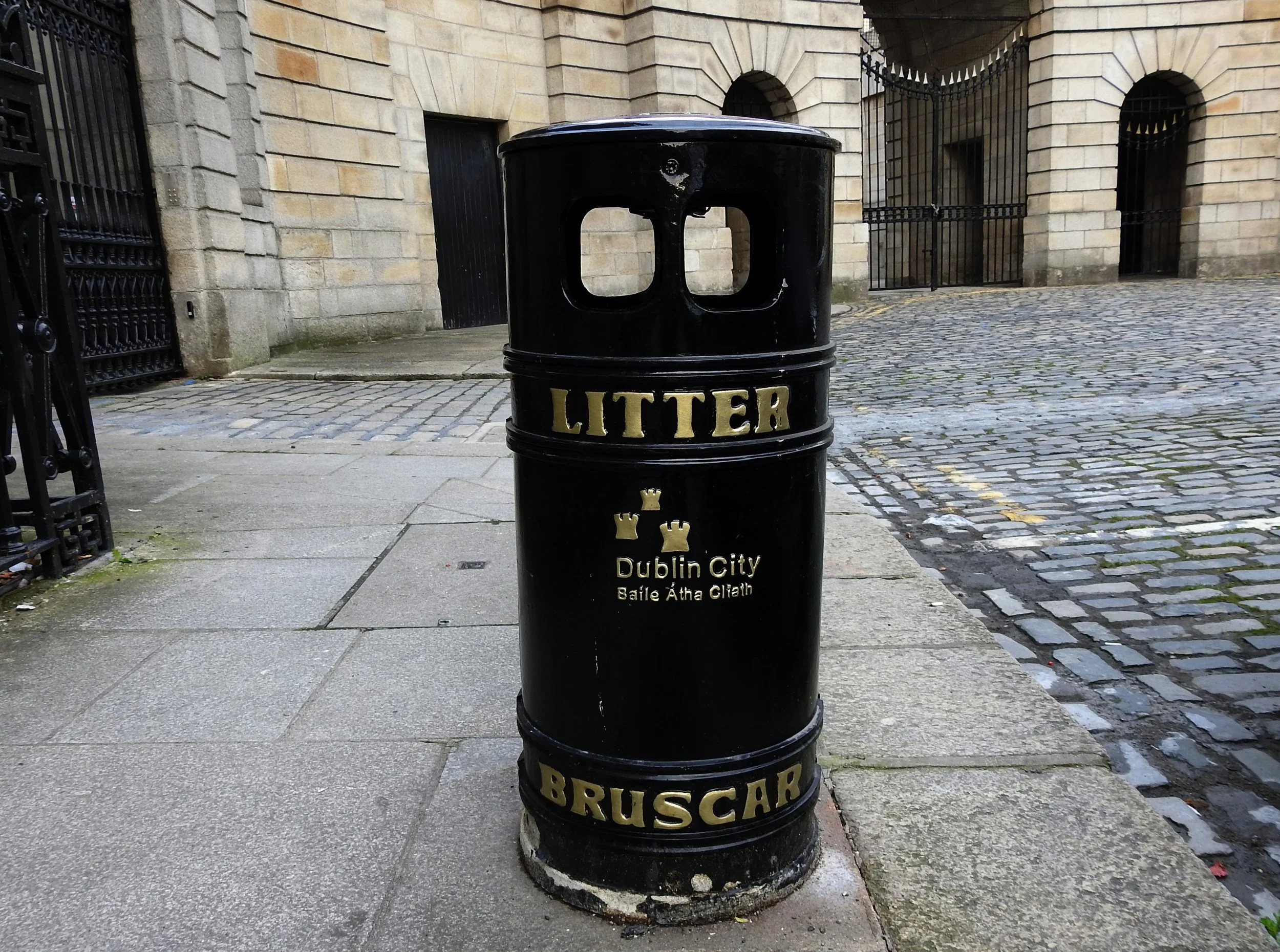
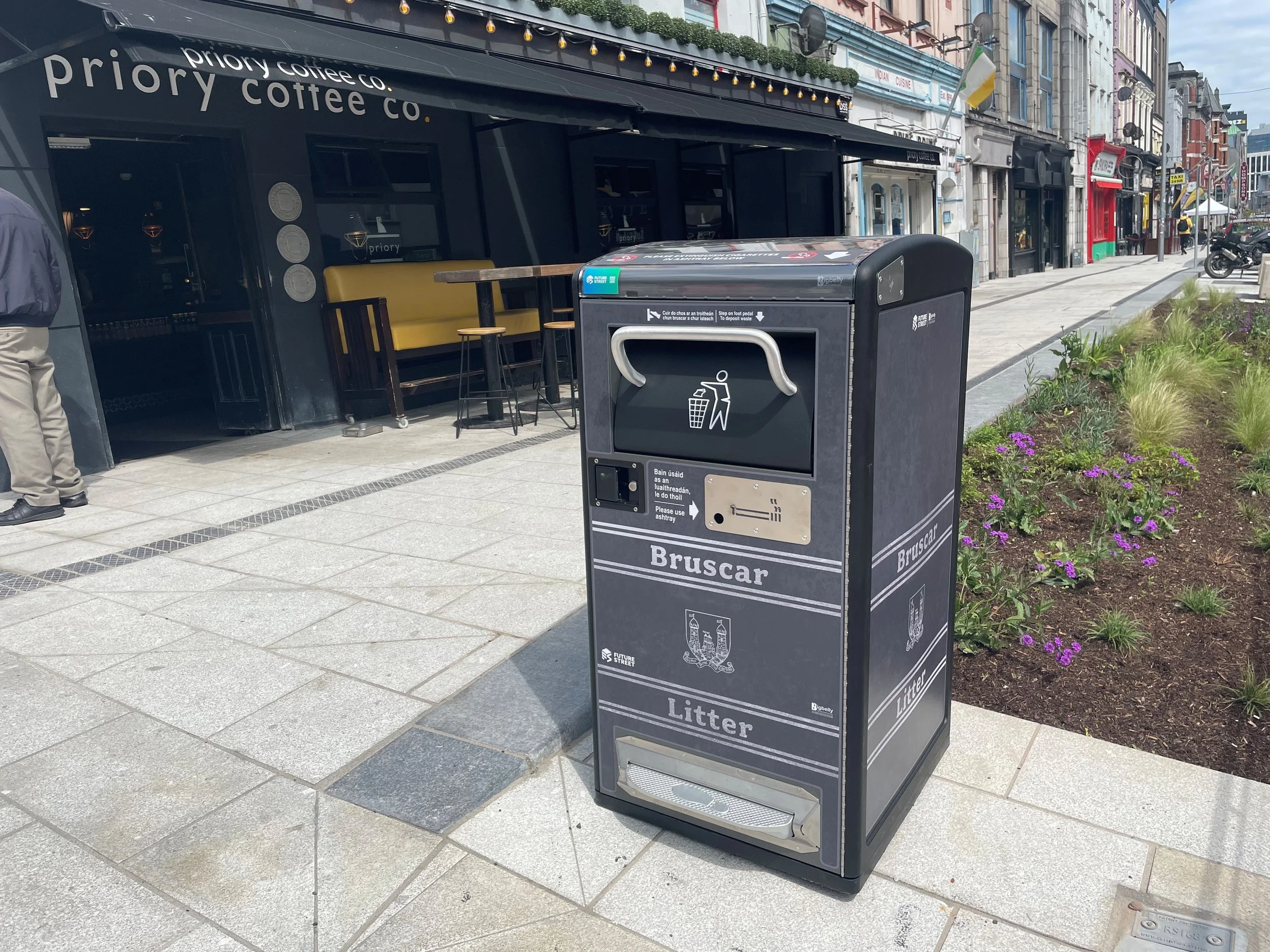
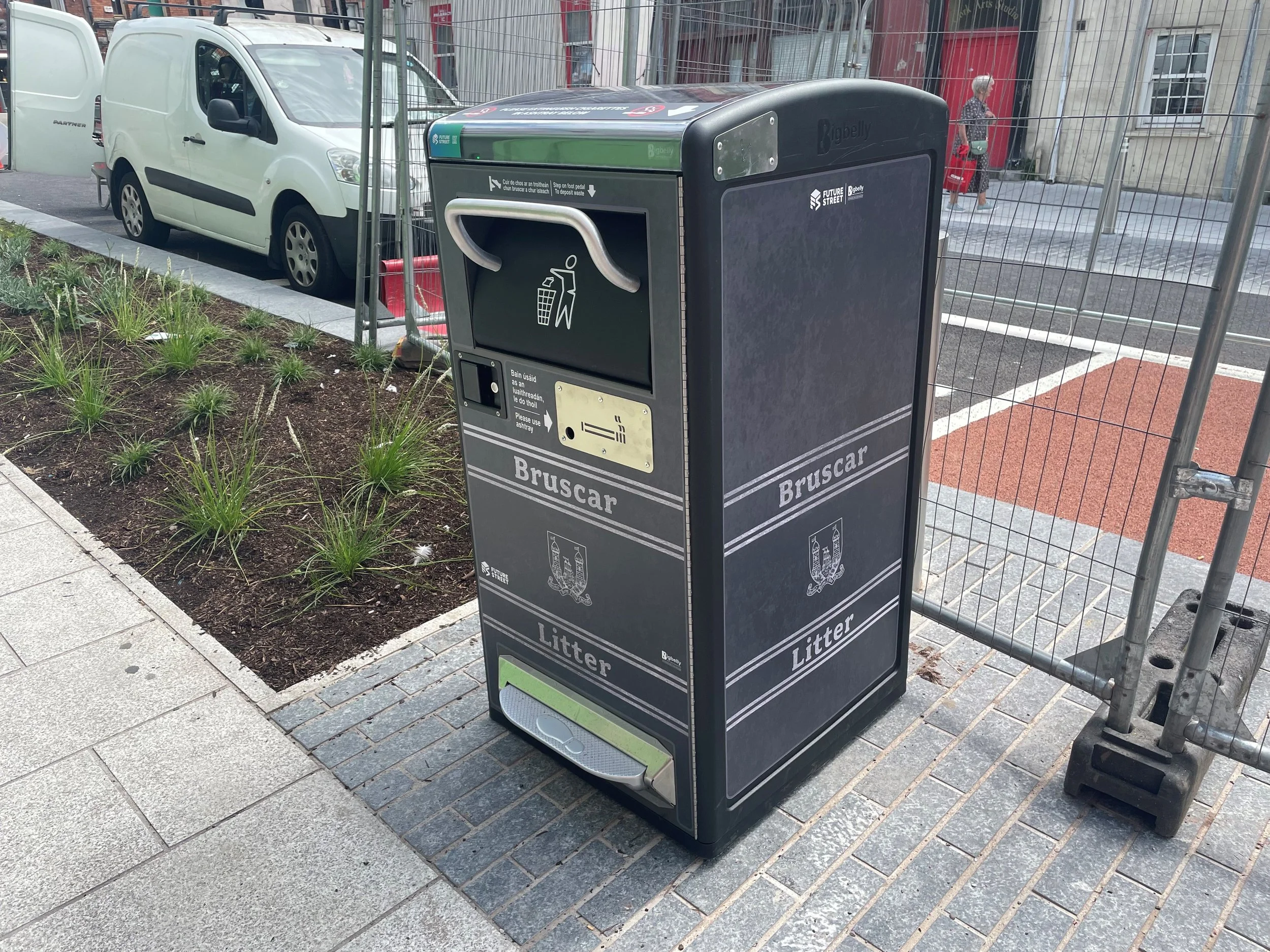
Drawing inspiration from the historic cast-iron street bins once seen across Ireland, the design introduces a modern interpretation using black with silver banding, referencing heritage and Cork City’s unofficial title as Irelands second city, while feeling contemporary and contextually appropriate.
What I did
I developed a new visual skin and finish system for Cork City’s Big Belly bins as part of the streetscape improvement works.
The design was informed by the city’s historic street furniture, using material references, color, and banding to create a stronger connection to Cork’s built environment. By replacing the more advertisement-led appearance of the previous bins, the new finish helped create a more intentional, civic-led visual identity across the streetscape.
This project required balancing heritage reference, urban design context, and functional product constraints, ensuring the bins remained highly visible and practical while contributing positively to the wider public realm.

IRL
Installed within the MacCurtain Street corridor, the redesigned bins help integrate functional waste infrastructure into the wider public realm experience.
By introducing a finish rooted in local visual history, the bins move beyond purely utilitarian objects and become part of the streetscape language, contributing to a cleaner, more cohesive urban environment. The design supports the city’s investment in smarter public waste systems while improving visual consistency across the area.



Explorations
Early design explorations focused on how historic street furniture references could be reinterpreted for a modern urban context.
These studies tested banding, color hierarchy, heritage references, and visibility, ensuring the final design felt both contextually grounded and appropriate for contemporary public infrastructure.
The process centered on finding a balance between civic identity, functionality, and streetscape integration.