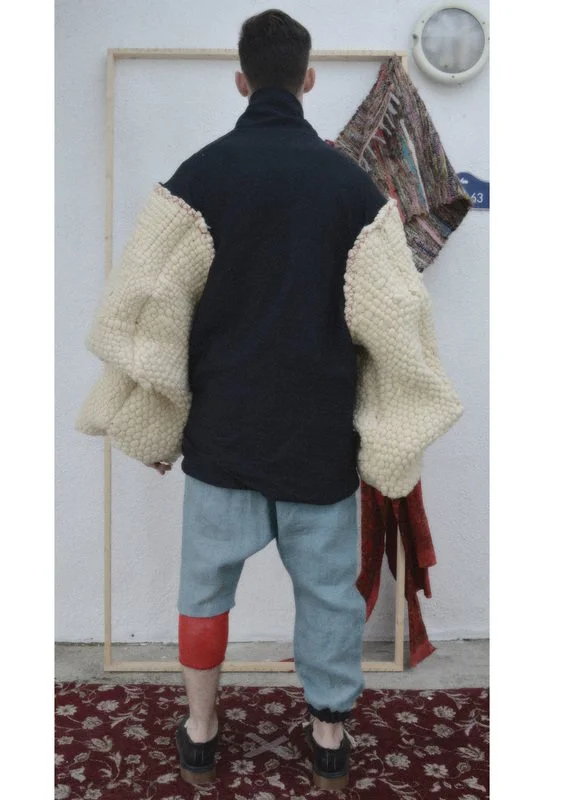
Graduate Collection Hunter
This collection explores themes of protection and adaptability, informed by the resourcefulness of nomadic ways of living in harsh environments. It considers how garments can function beyond aesthetics, acting as structures that respond to climate, movement, and constraint.
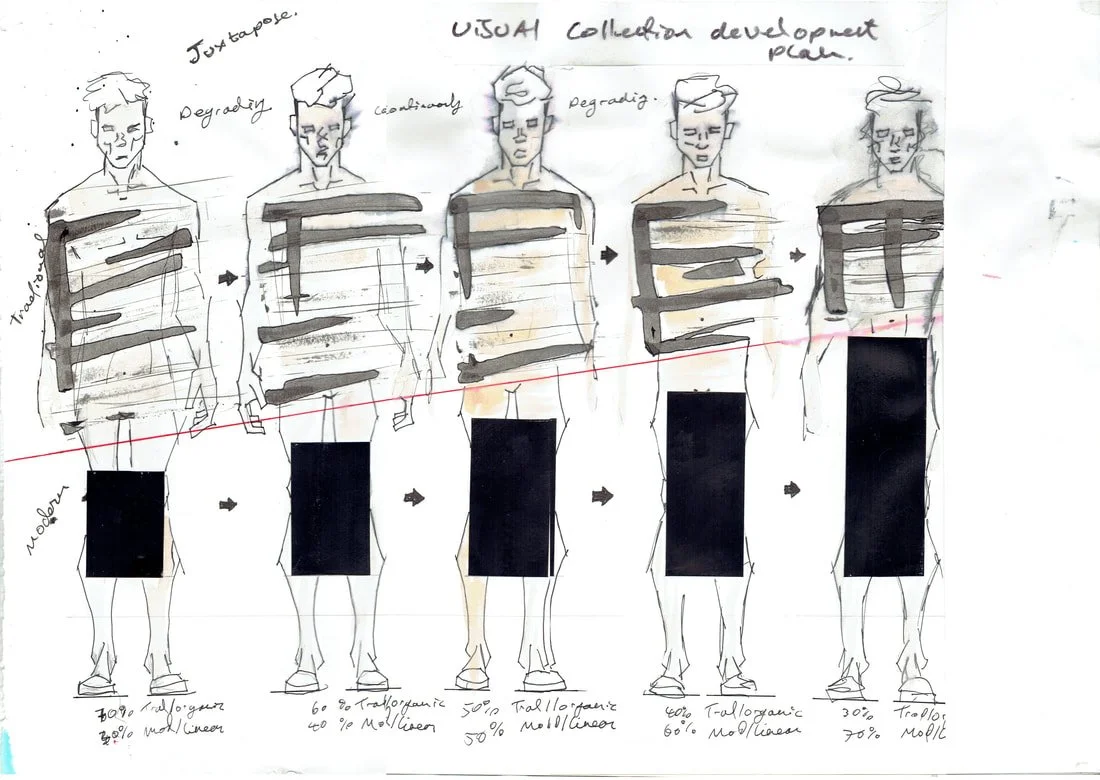
Working with limited and unconventional materials, the designs focus on layering, modularity, and transformation, allowing pieces to shift in function depending on need. Elements can be adjusted, reconfigured, or repurposed, reflecting the practical ingenuity found in environments where nothing is wasted.
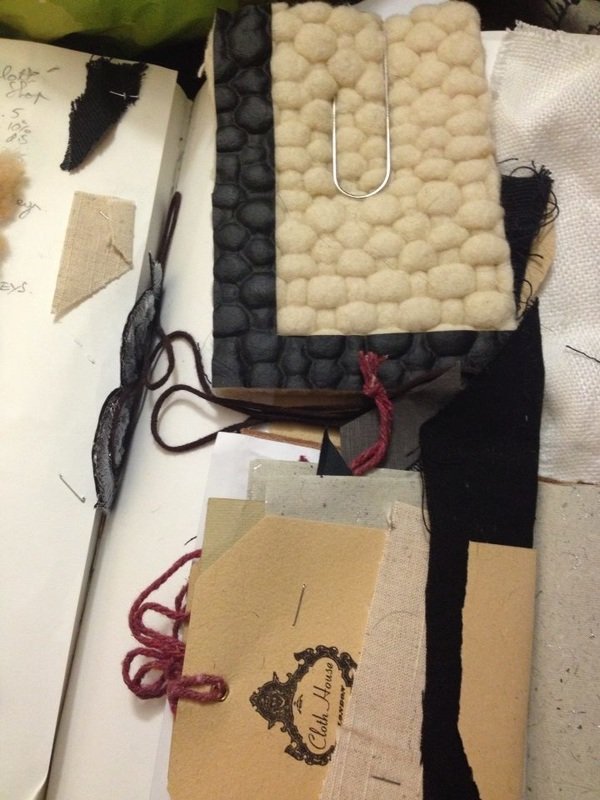
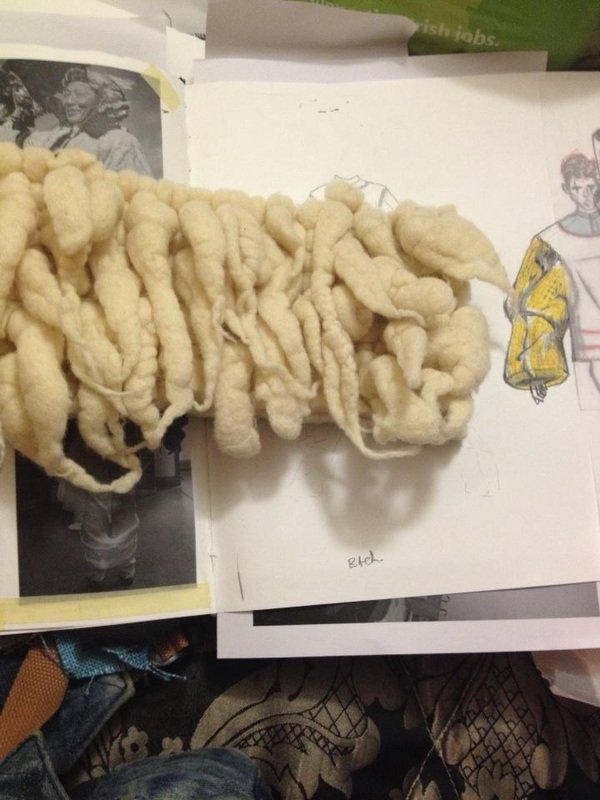
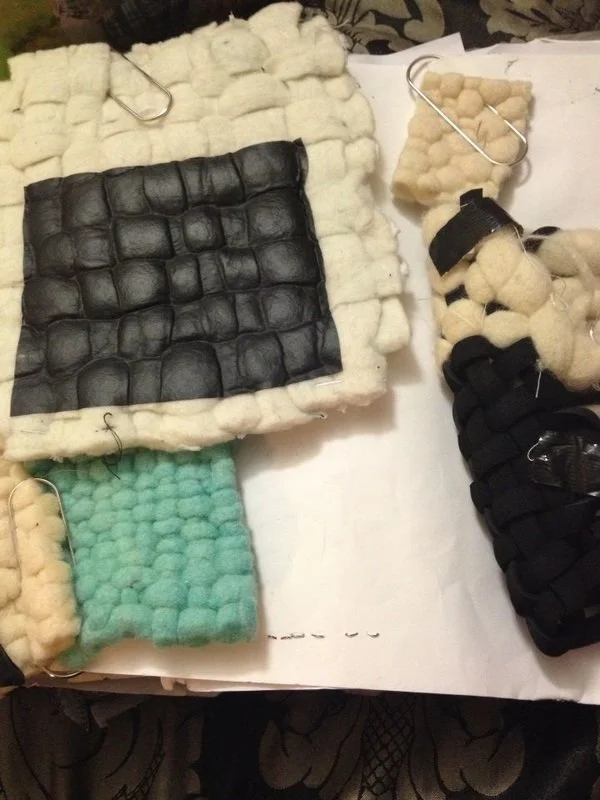
The process was highly hands-on and experimental, combining pattern drafting, garment construction, and material manipulation. Techniques such as bonding, layering, and structural assembly were used to explore how form can emerge directly from material behavior.
My work draws on the idea of resourcefulness under constraint, how people create, adapt, and protect using what is available to them.
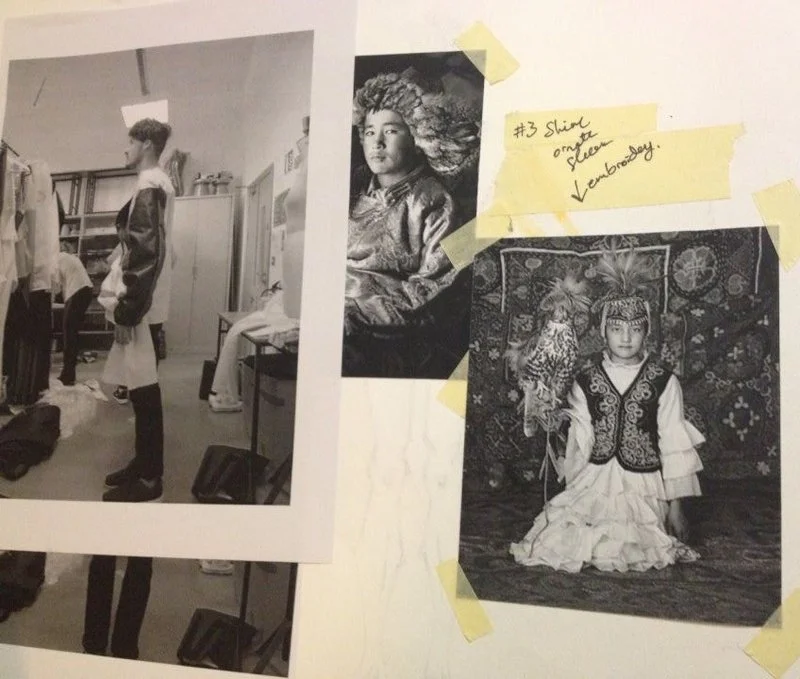
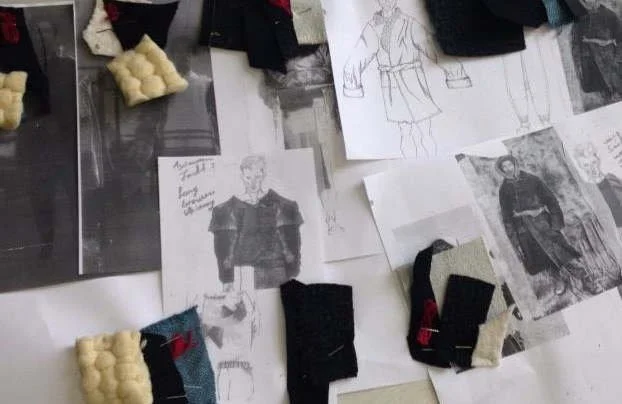
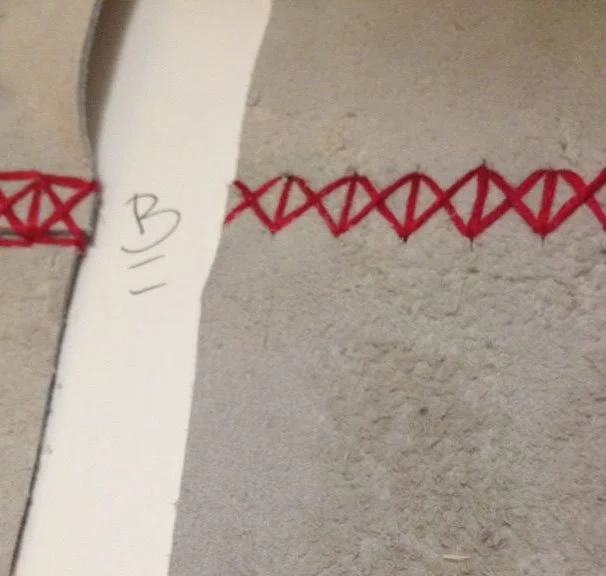
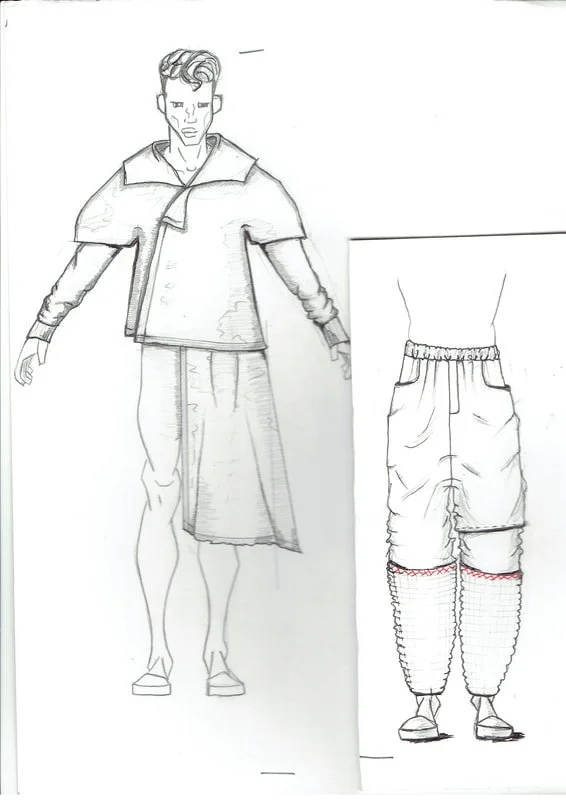
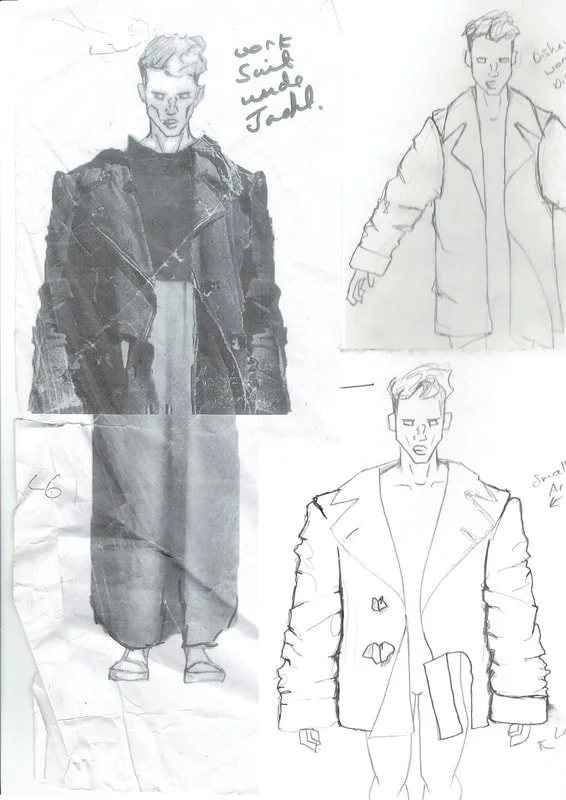
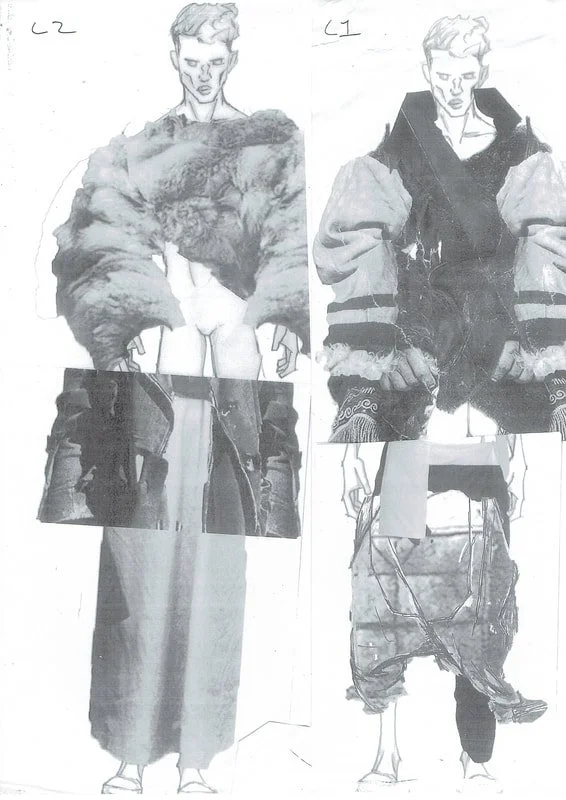
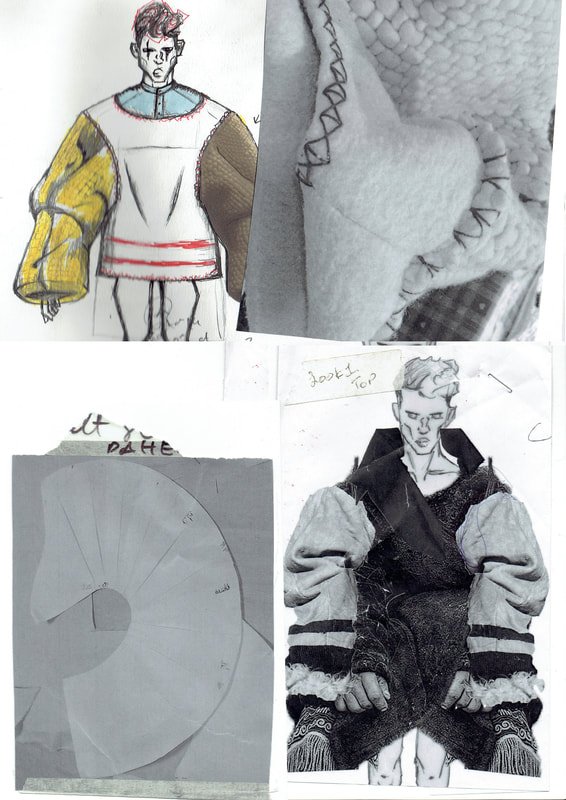
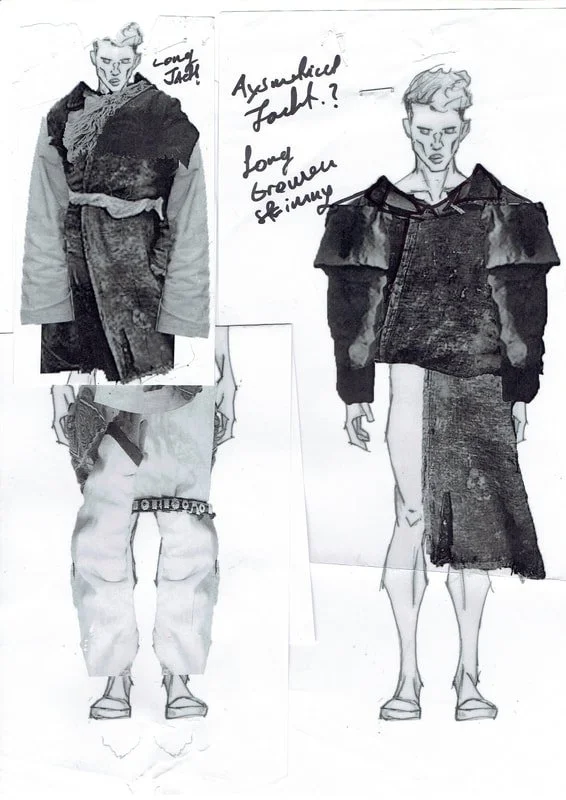
Sketchbook/Development
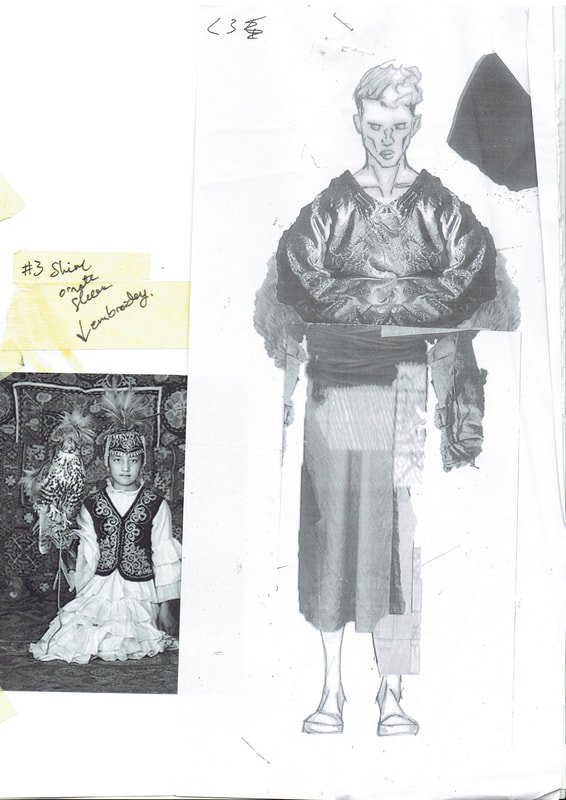
The collection was developed through iterative making, with each piece evolving through testing and refinement. Materials were explored for both their functional and structural qualities, influencing silhouette and construction decisions.
This approach allowed the garments to be shaped not only by concept, but by the realities of material limitations and physical construction, reinforcing the core themes of adaptability and protection.
Outcome
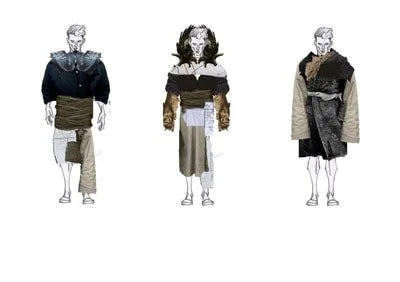
The final collection presents a series of garments that balance function, form, and concept, demonstrating how design can respond to environmental and material constraints while maintaining a strong visual identity.
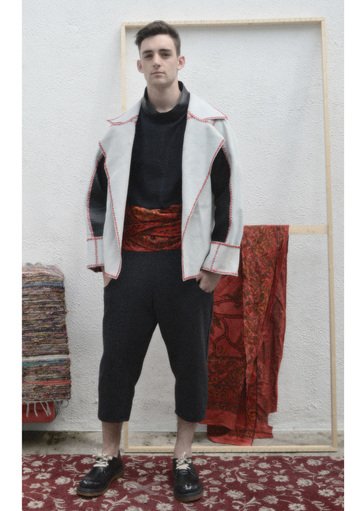
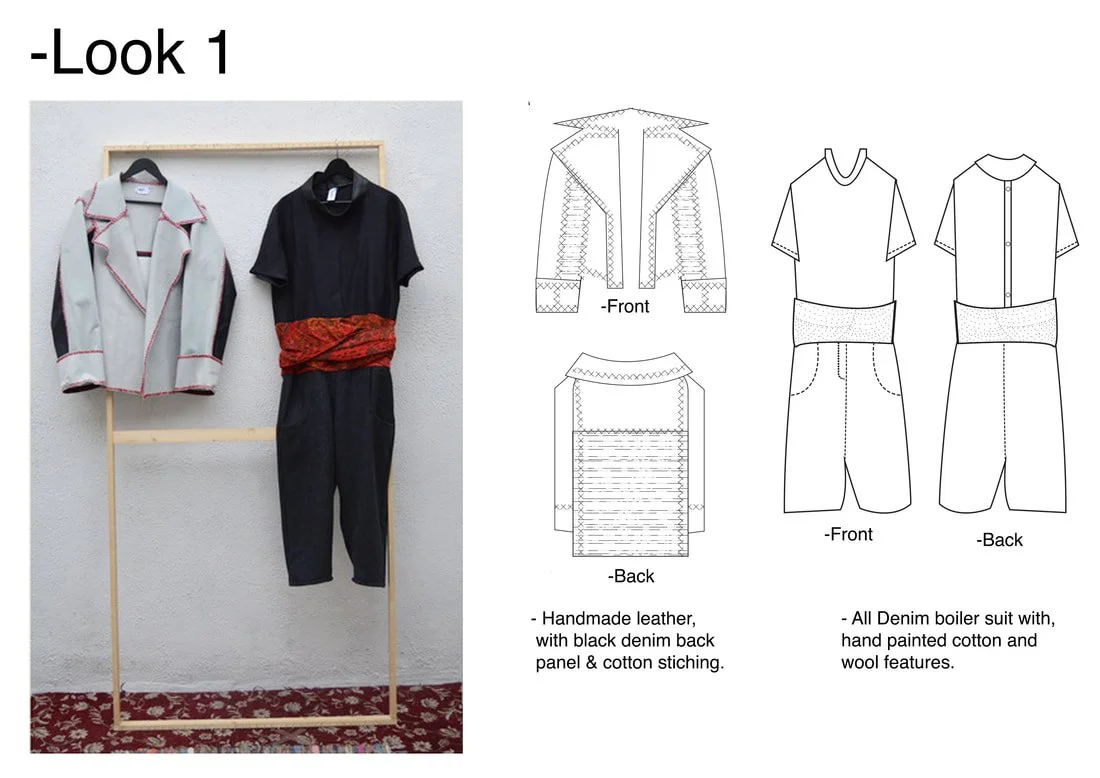
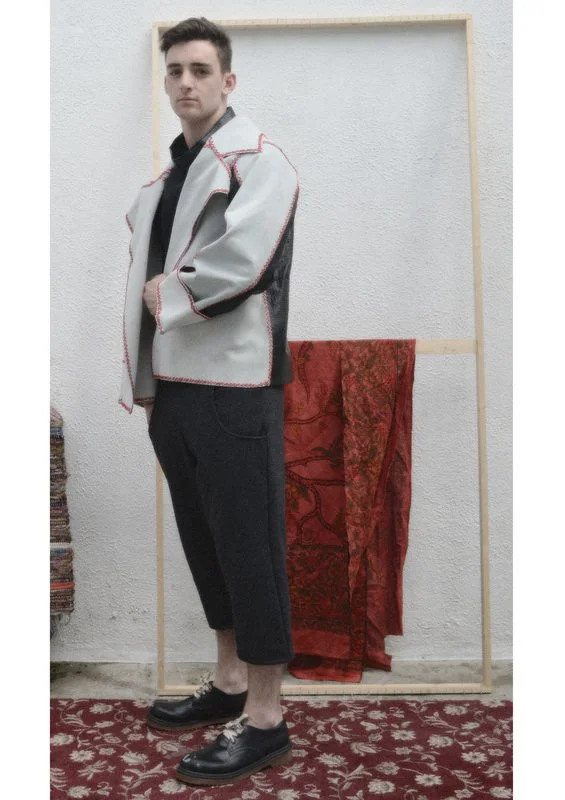
Look 1
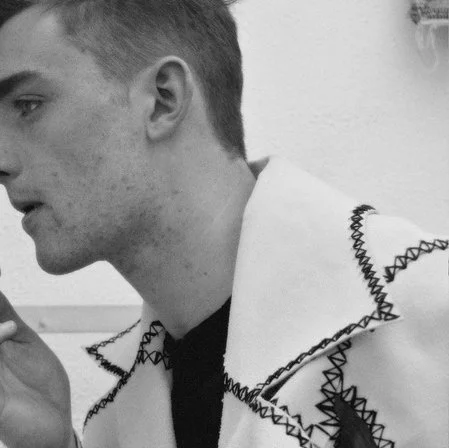
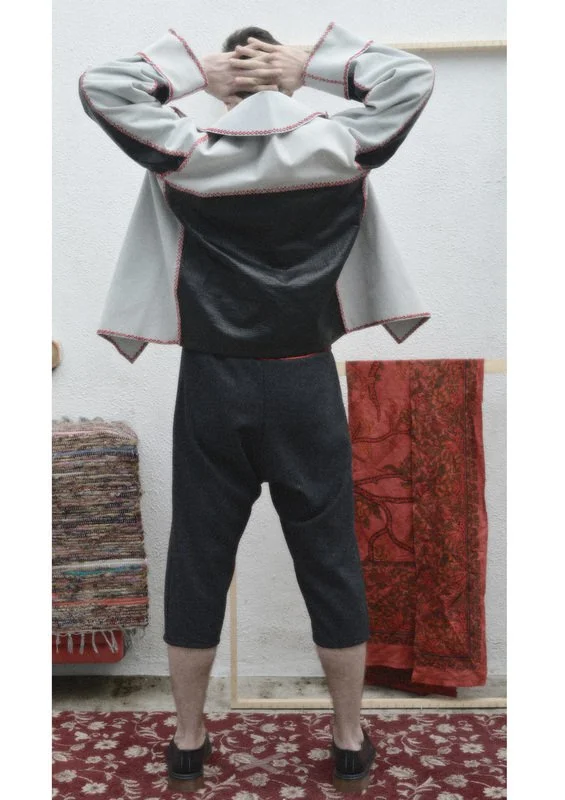
Establishes the collection’s focus on protection and material reuse, combining durable, repurposed elements into a cohesive form. The jacket is constructed from reclaimed leather welder aprons, panels where hand-sewn together using a traditional technique, with a back panel featuring cotton layered with natural hemp mesh, sealed using polyurethane. The underlying garment combines denim and wool, incorporating a reworked red cotton wrap element, reinforcing a resourceful approach to construction—using what is available to build function, structure, and visual depth.
Look 2
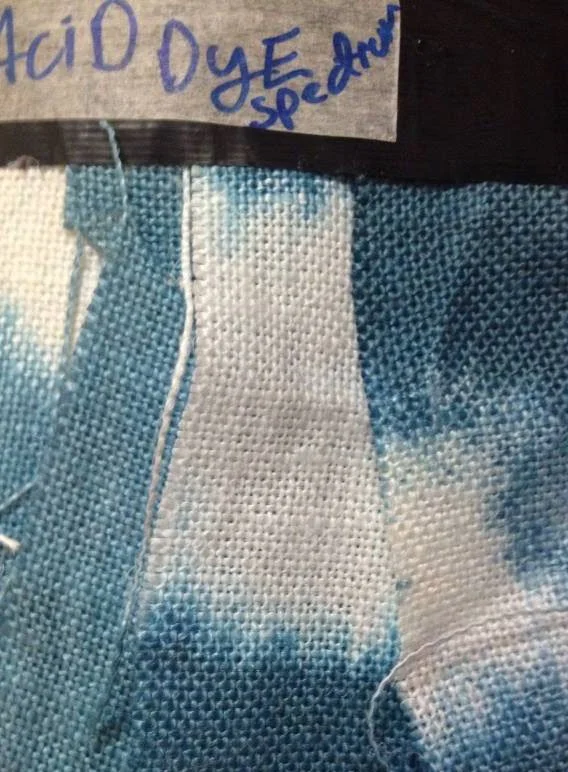
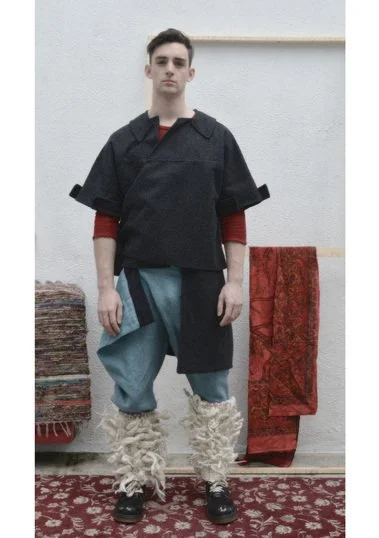
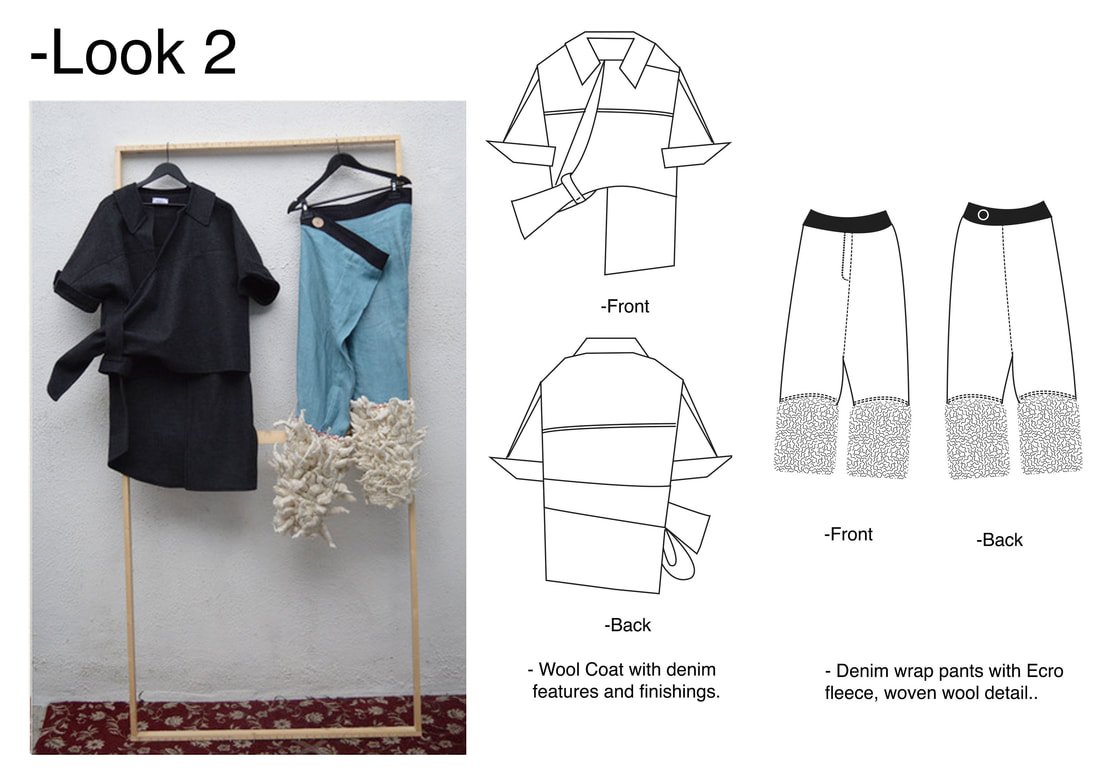
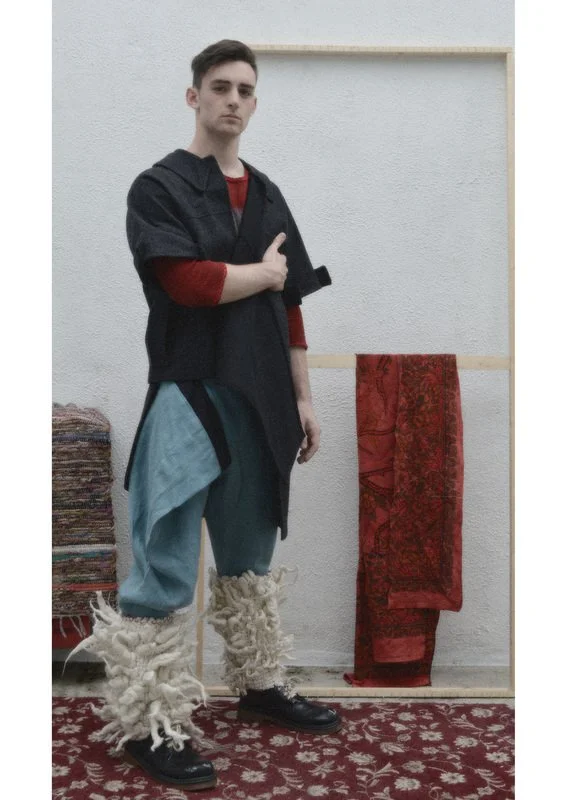
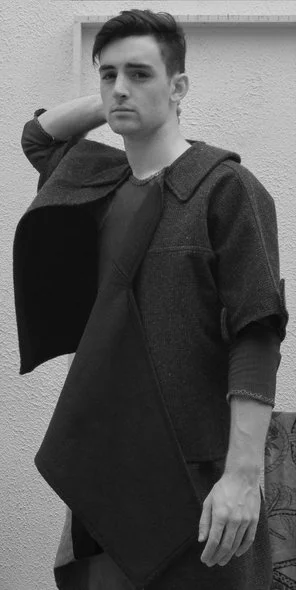
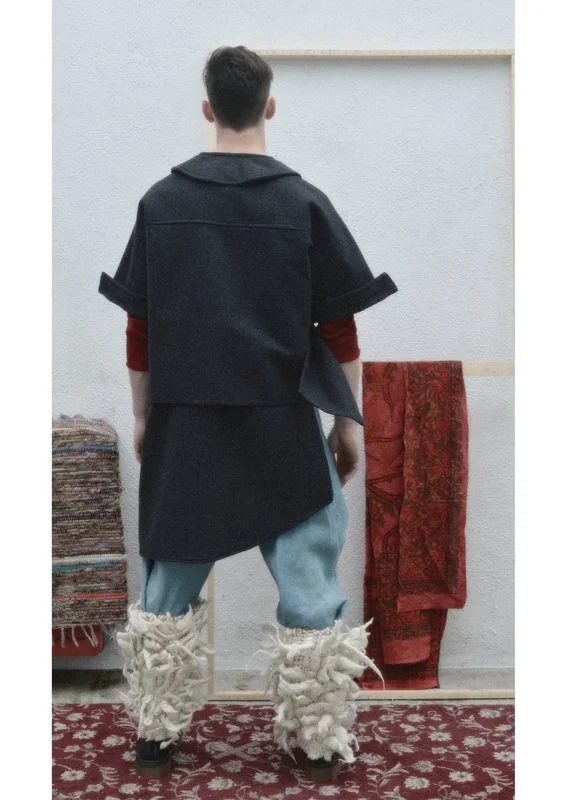
Builds on ideas of adaptability and modularity, with a focus on garments that can shift and respond to use. The trousers are constructed from hand-dyed linen, with lower leg panels featuring dense, fur-like wool structures created through woven cut-offs, echoing a more tactile and protective equipment. The design incorporates adjustable and reconfigurable elements, allowing components to be repositioned depending on need. Developed through pattern drafting and construction, the piece explores how structure and flexibility can coexist within a single garment.
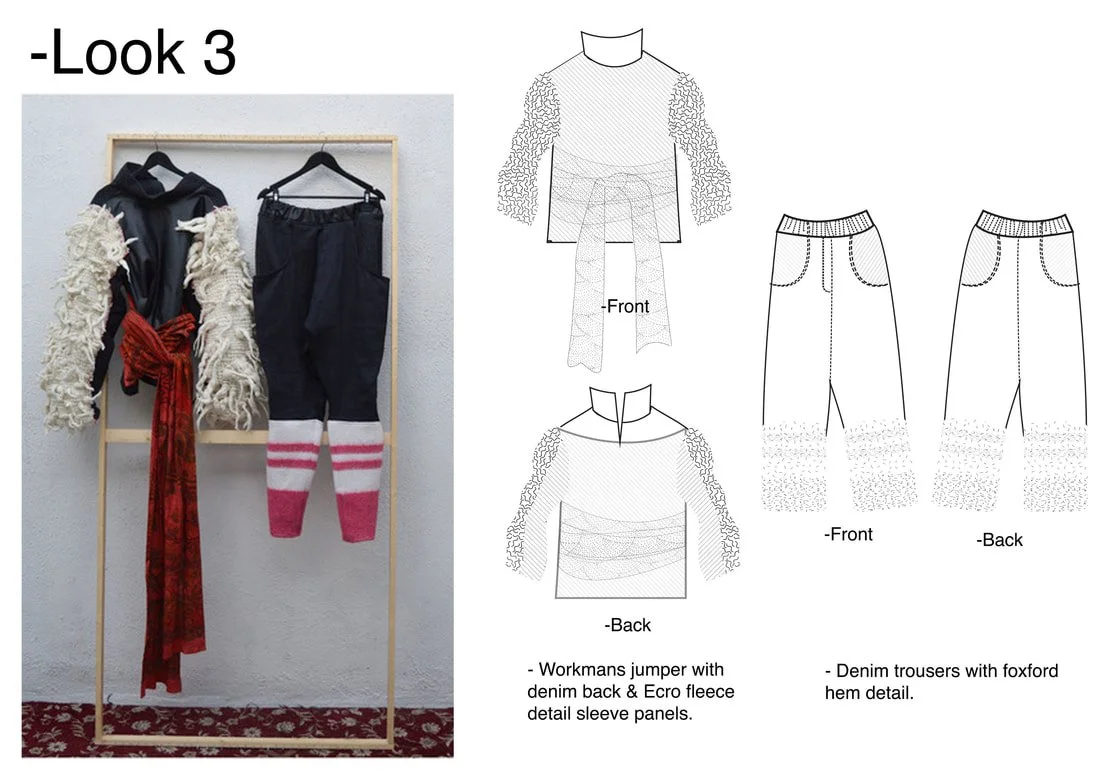
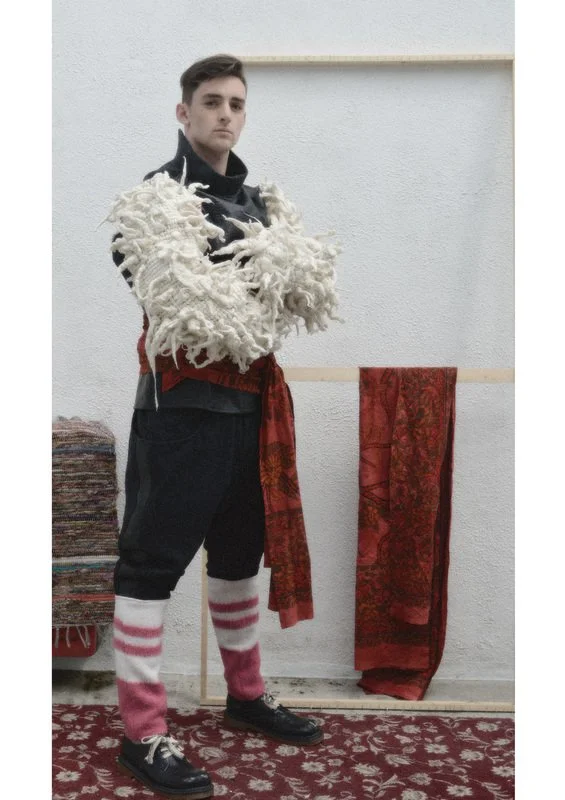
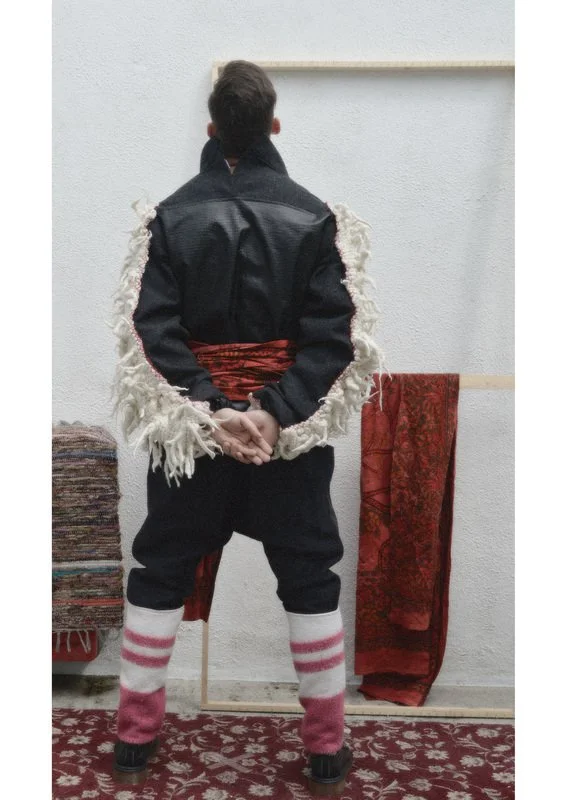
Look 3
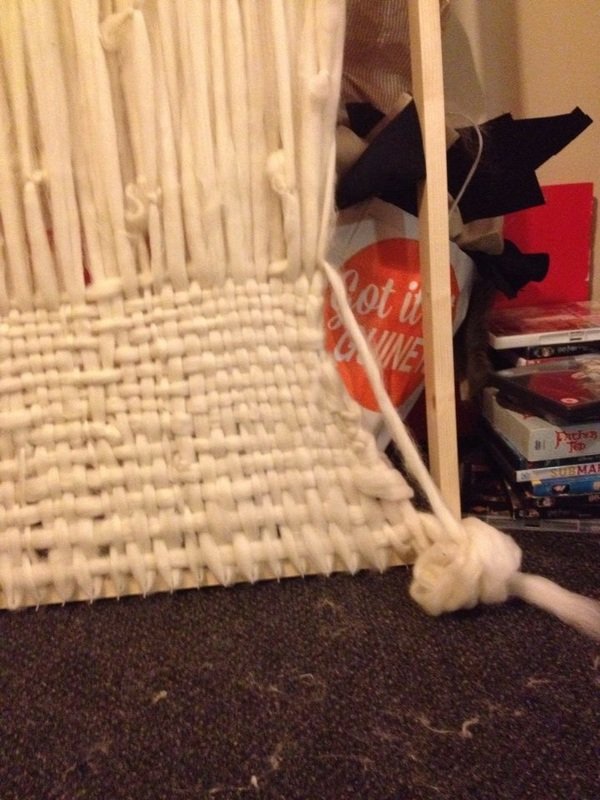
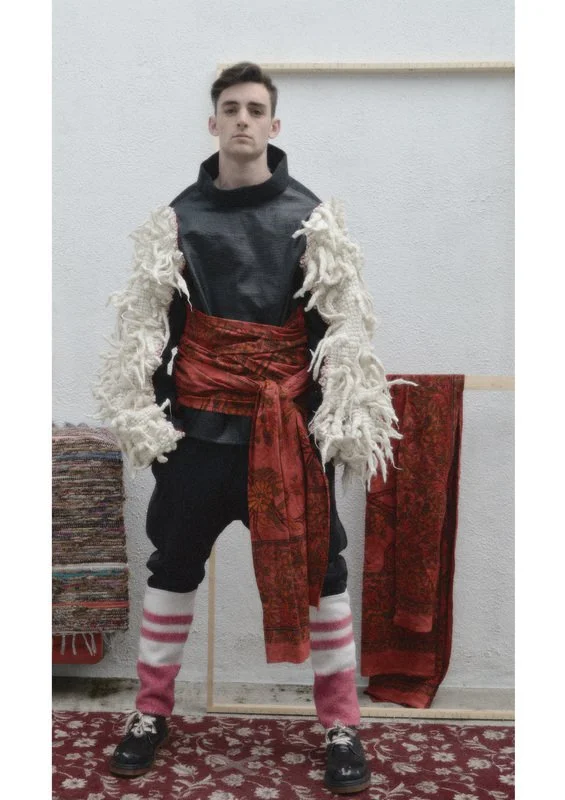
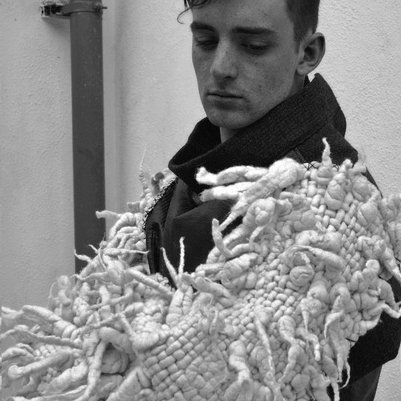
Explores material contrast and adaptability, combining natural and synthetic elements within a single form. The sleeves are hand-woven from ecru fleece, incorporating fabric cut-offs woven into the structure to create a dense, textured, fur-like volume. The main body is constructed from cotton layered with natural hemp mesh, sealed using polyurethane to bind and transform the materials. This combination reflects a resourceful approach to construction, using both natural and manufactured materials, while reinforcing themes of protection and material-driven form.
Look 4
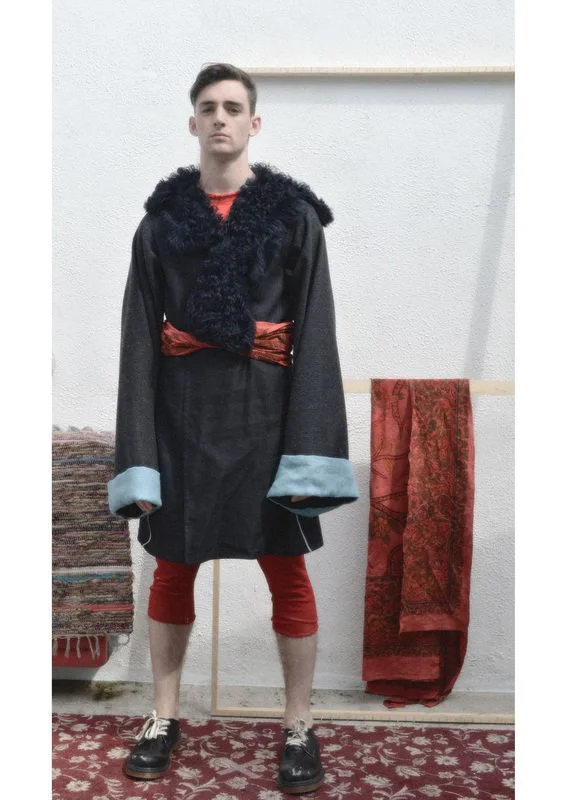
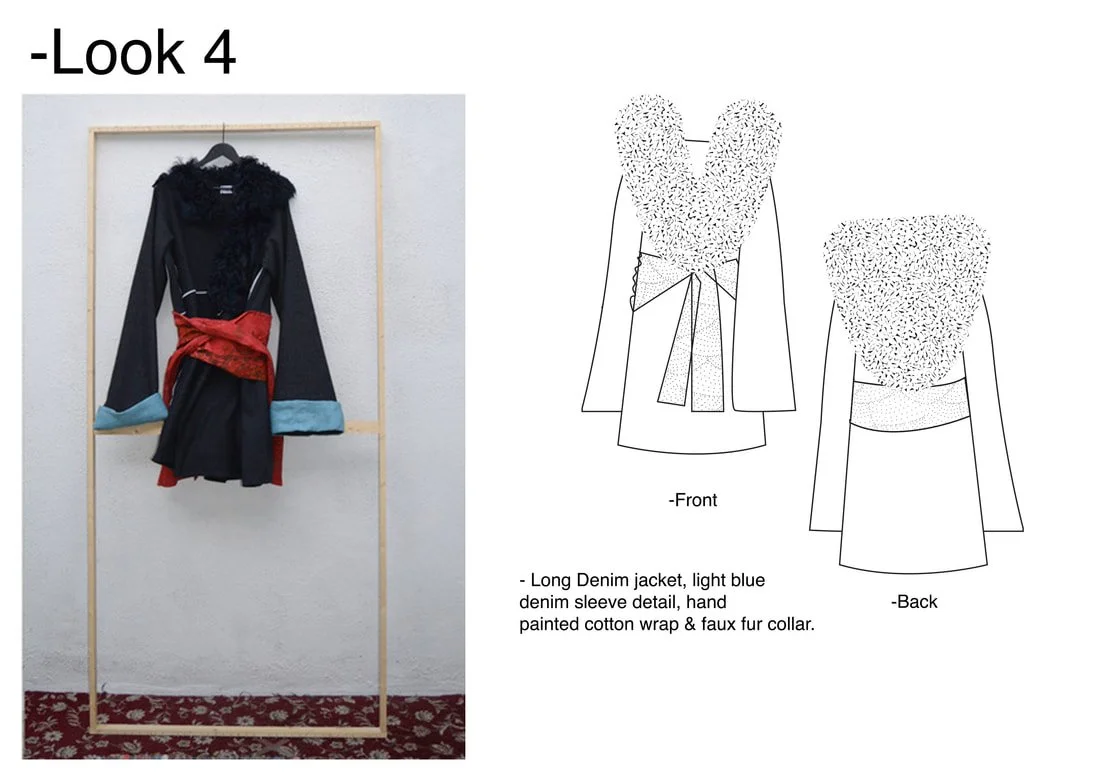
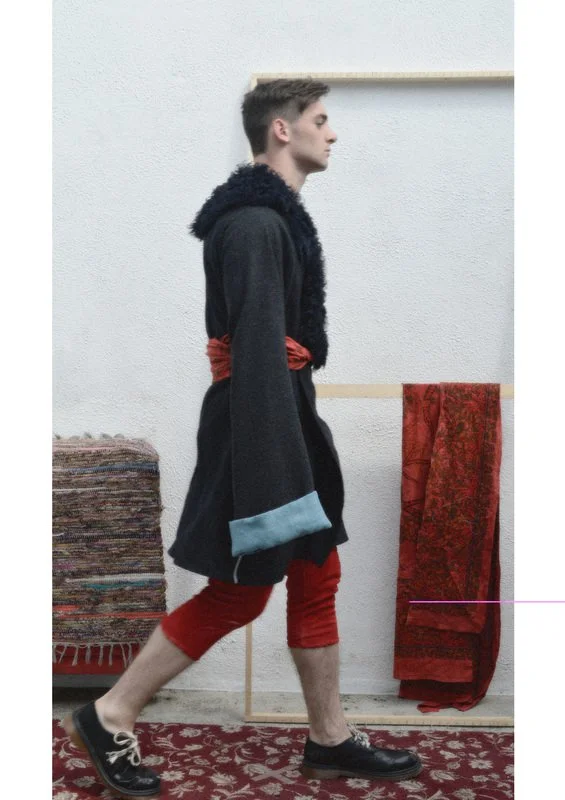
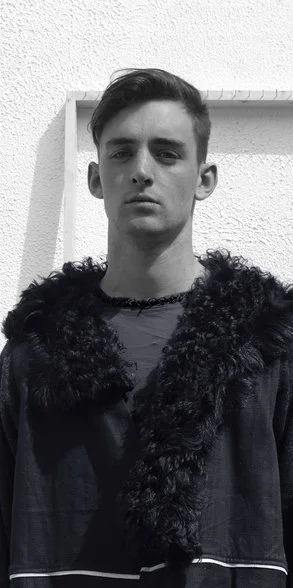
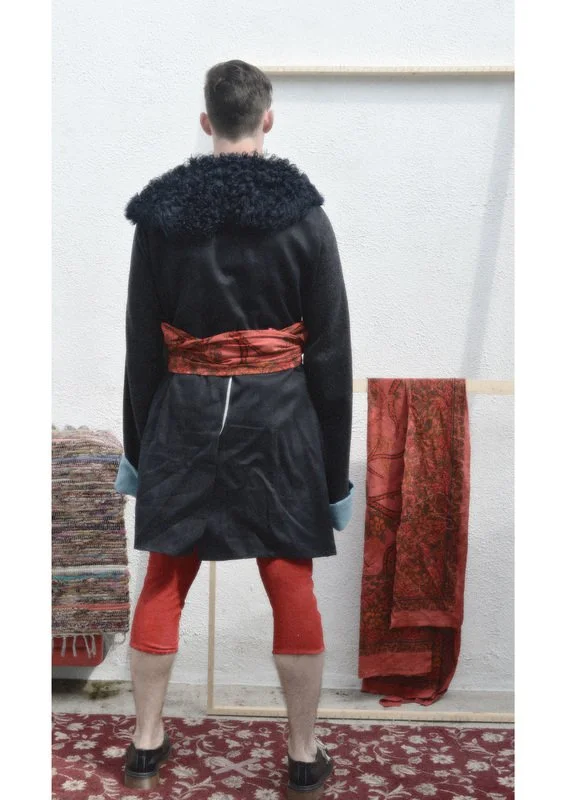
Introduces a more integrated approach to protection, where structure is built into the silhouette rather than applied externally. The garment features leather-trimmed seams that reinforce both structure and detail, while the use of repurposed fur offcuts and a repurposed red cotton wall hanging reflects a resourceful approach to material—using what is available to build form and depth. Developed through pattern drafting and construction, the piece balances function, material reuse, and adaptability.
Look 5
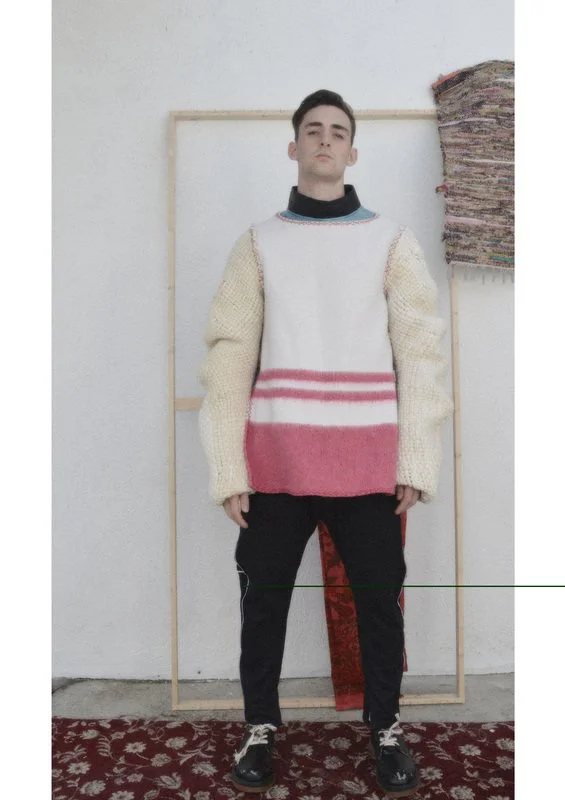
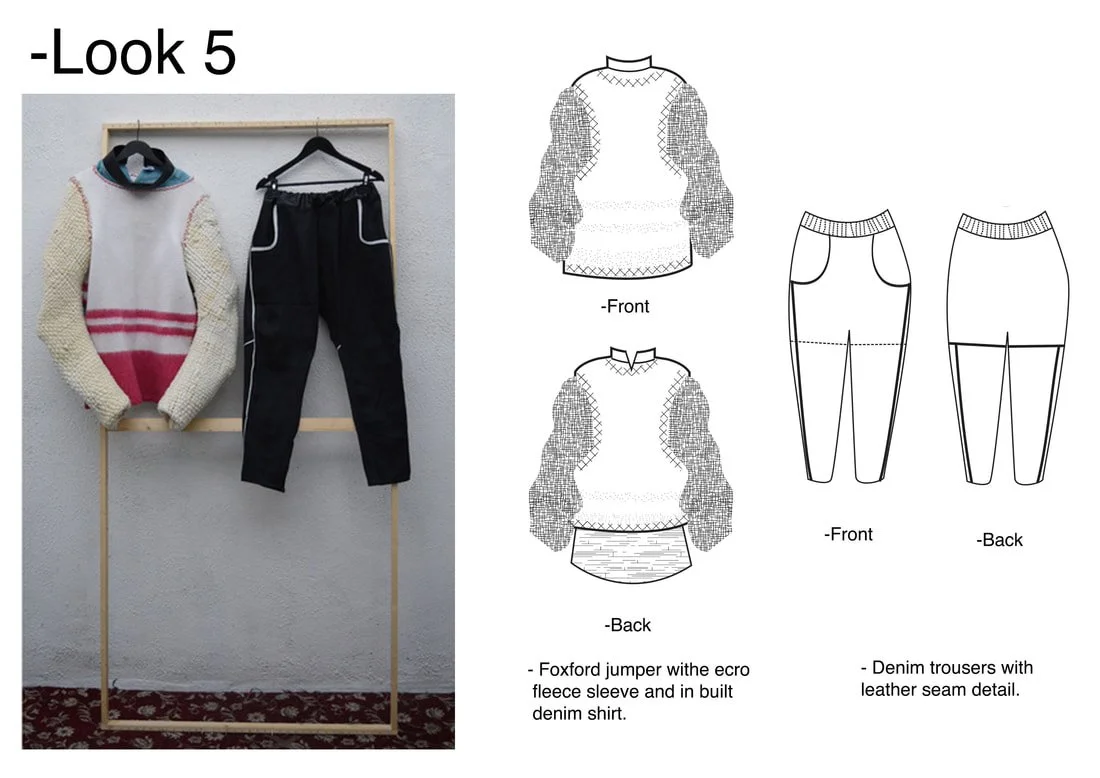
Examines movement and adaptability through a balance of structure and flexibility. The sleeves are hand-woven from ecru fleece and shrunk through washing to create a dense, textured form. The main body is constructed from an aged Foxford blanket (once widely popular in Ireland) introducing weight and durability while reflecting themes of material reuse and resourcefulness. The trousers were designed, pattern drafted, and constructed, finished with leather-trimmed seams for added structure and detail.
Look 6
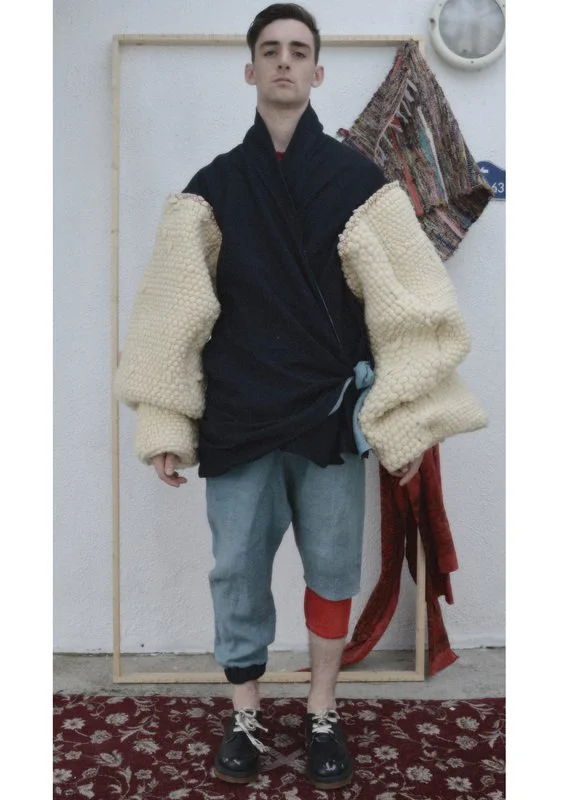
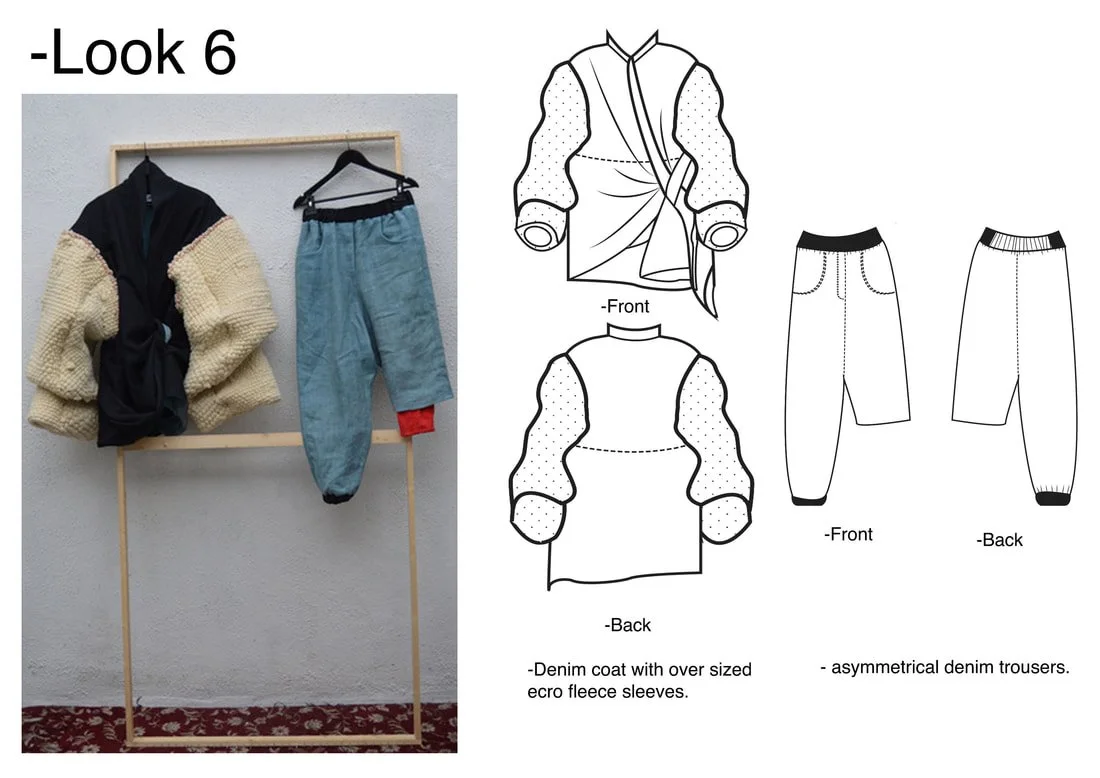
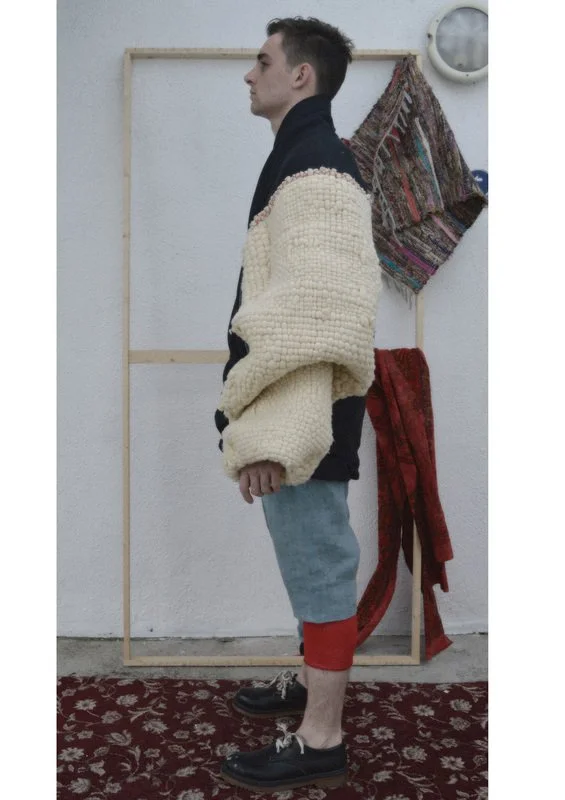
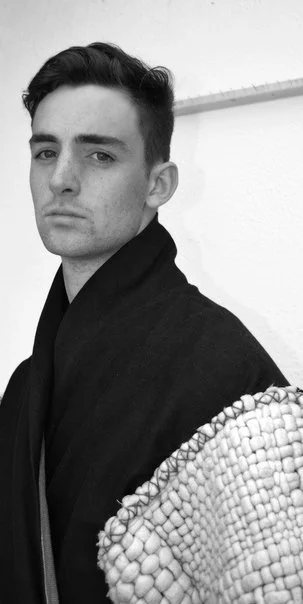
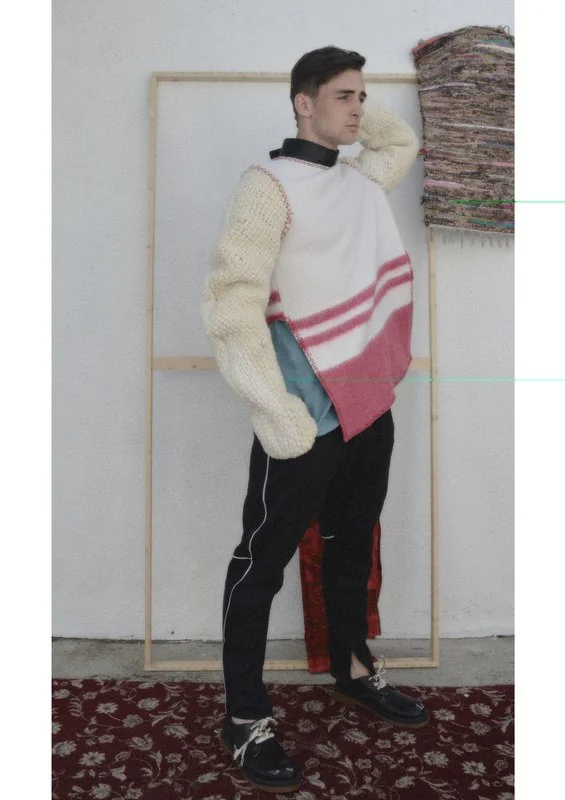
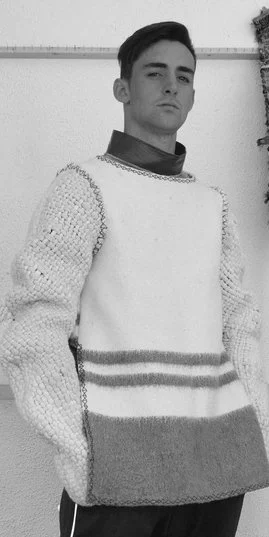
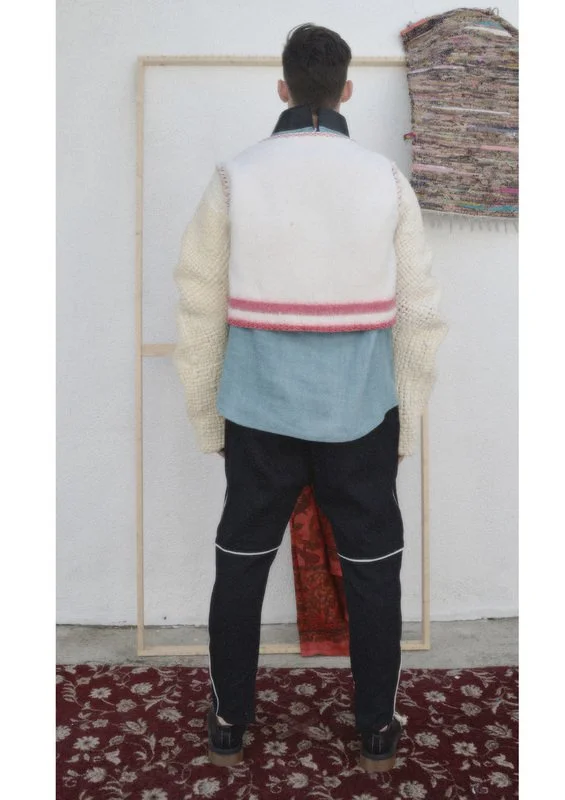
Brings together the core themes of the collection, protection, adaptability, and material-driven construction into a resolved final look. The sleeves are hand-woven from natural ecru fleece and intentionally shrunk through washing, creating a dense, textured structure. The main body was pattern drafted and constructed using a traditional sleeve-to-body attachment technique, grounding the piece in established methods while contrasting with the experimental material approach.