Bishop Lucey Park
As part of Cork City Council’s Grand Parade Quarter regeneration, this project focused on transforming complex redevelopment plans into clear, accessible public-facing communication. The work supported the renewal of Bishop Lucey Park, a key civic space in the heart of Cork City, balancing heritage, archaeology, and contemporary public realm design.
Through a cohesive visual system spanning site hoarding, information boards, social content, and interpretive graphics, the project helped communicate both the future vision and the site’s historical significance to the public.

What I did
I led the visual communication and public-facing design for the regeneration project, creating a system that translated technical planning and archaeological information into clear, engaging materials for a broad public audience.
My role included the design of site hoarding, interpretation boards, social media assets, project alerts, and informative graphics, alongside custom illustrations and historical visual storytelling. Working closely with architects, engineers, and planners, I helped bridge technical documentation and public understanding.
This required combining research, storytelling, layout systems, illustration, and print production to create a consistent visual identity across the wider regeneration program.
Skills I used:
Adobe Illustrator
Adobe Photoshop
Adobe InDesign
Typography & Color Systems
Information Design
Collaborated with Engineers and Architects
Print & Digital production
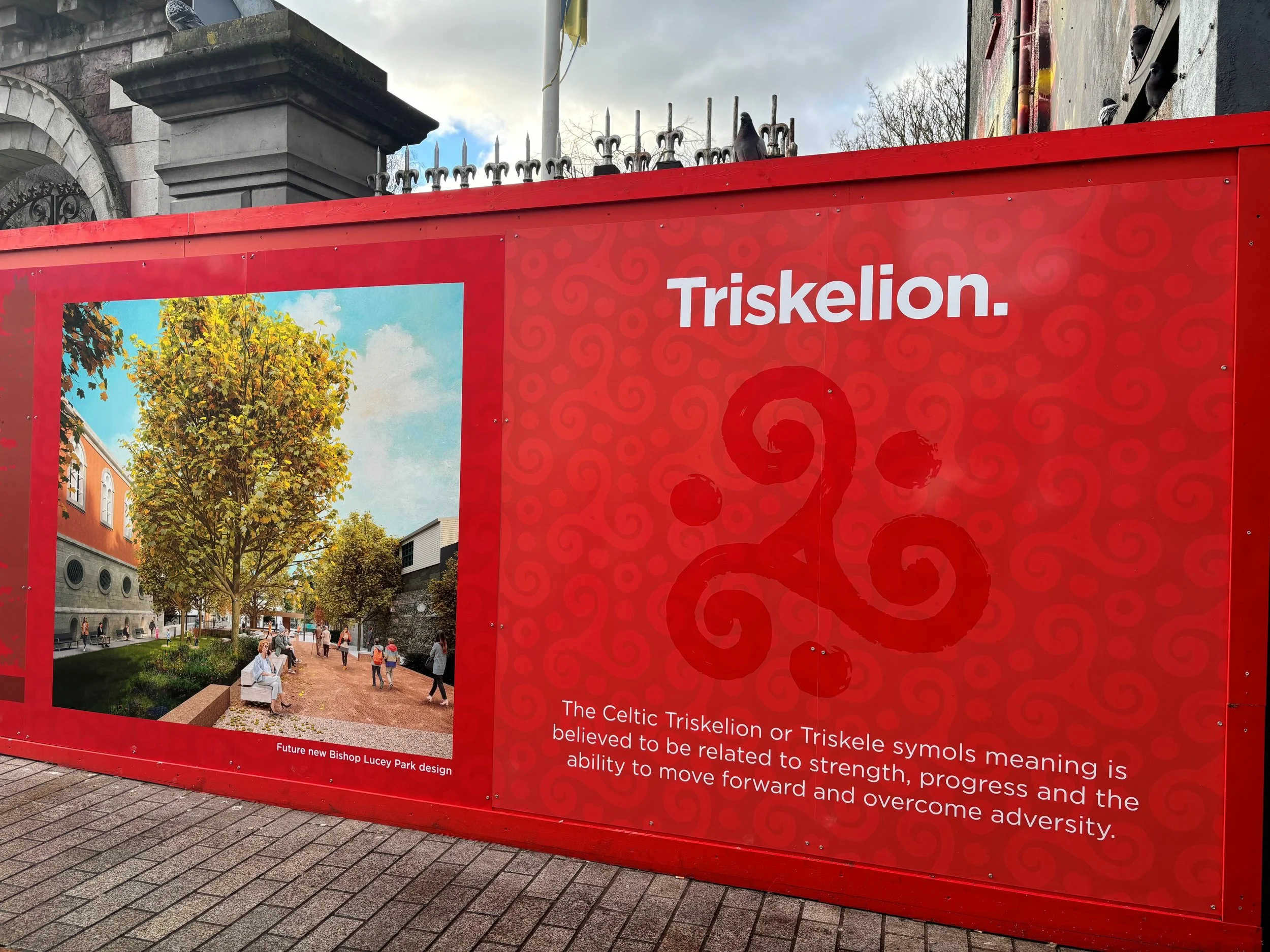
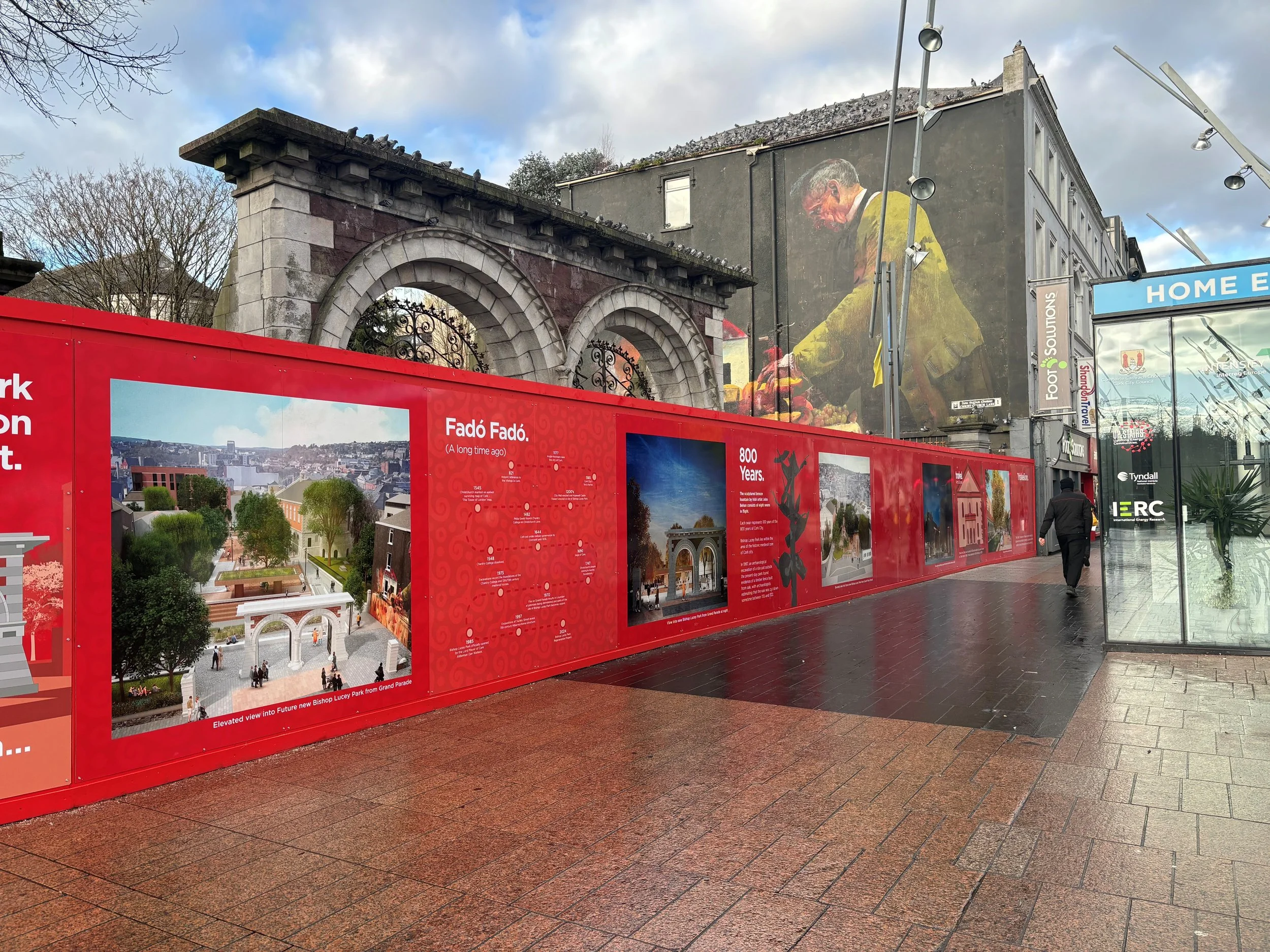
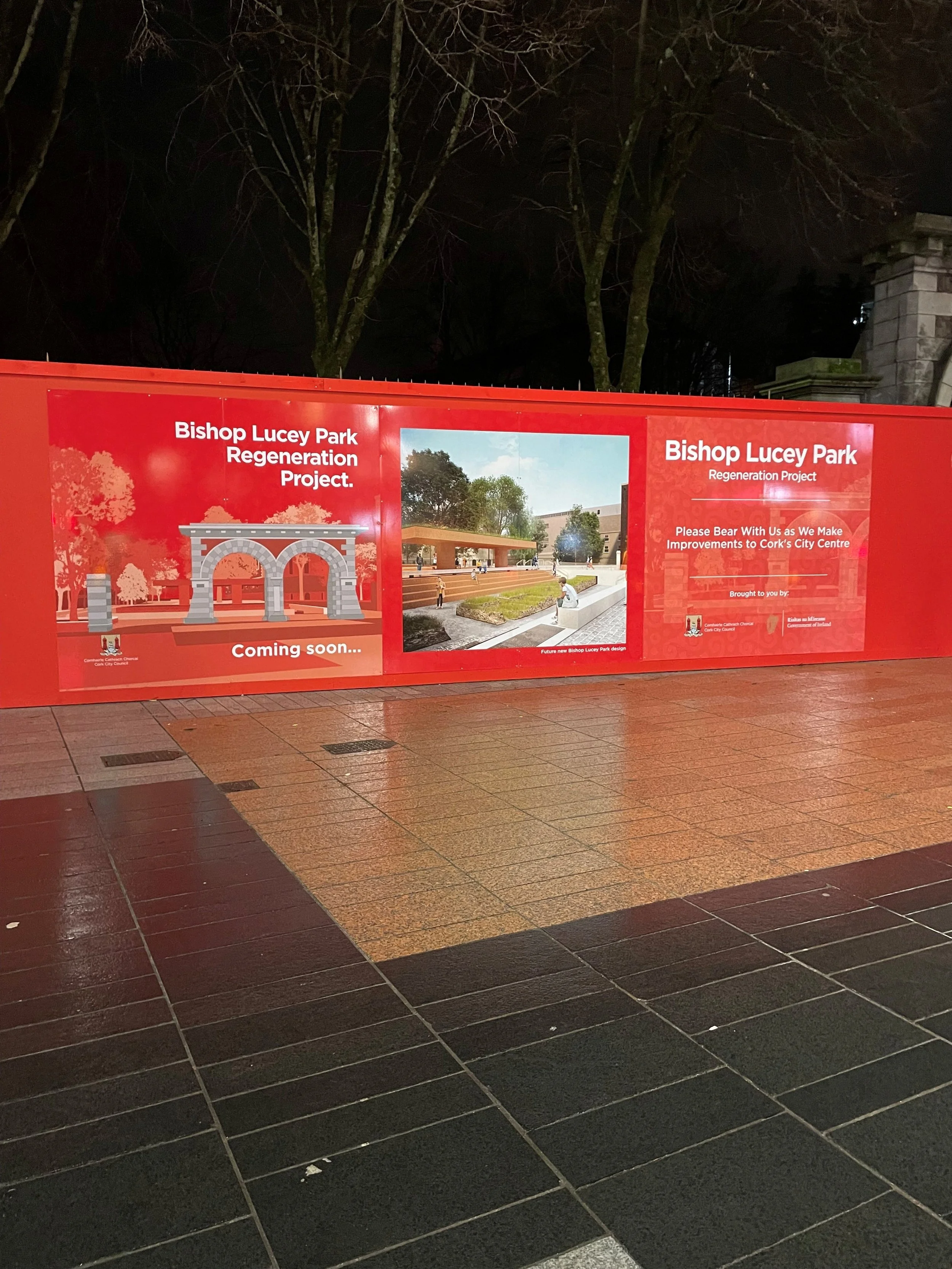
Hoarding
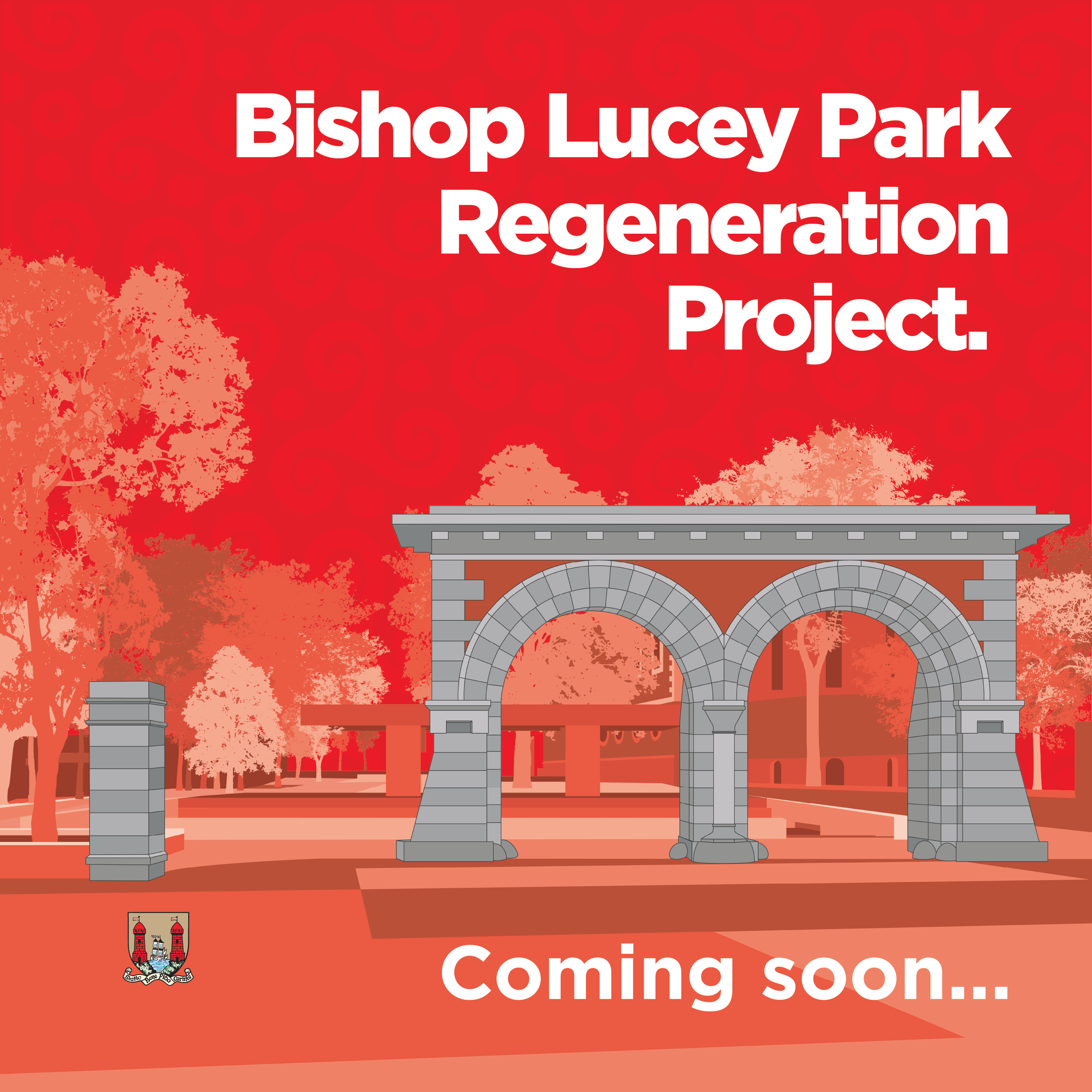
Title Hoarding
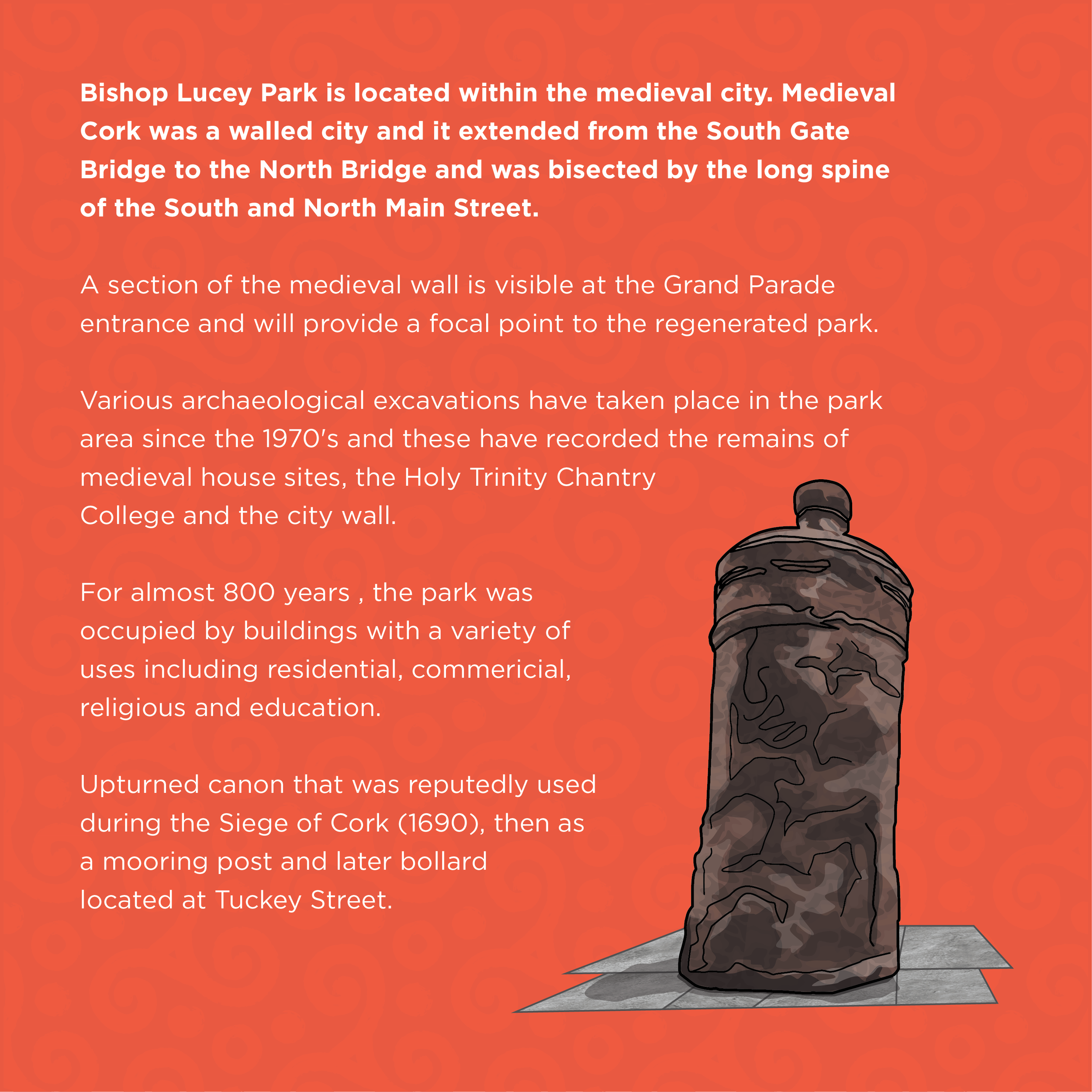
Short Description
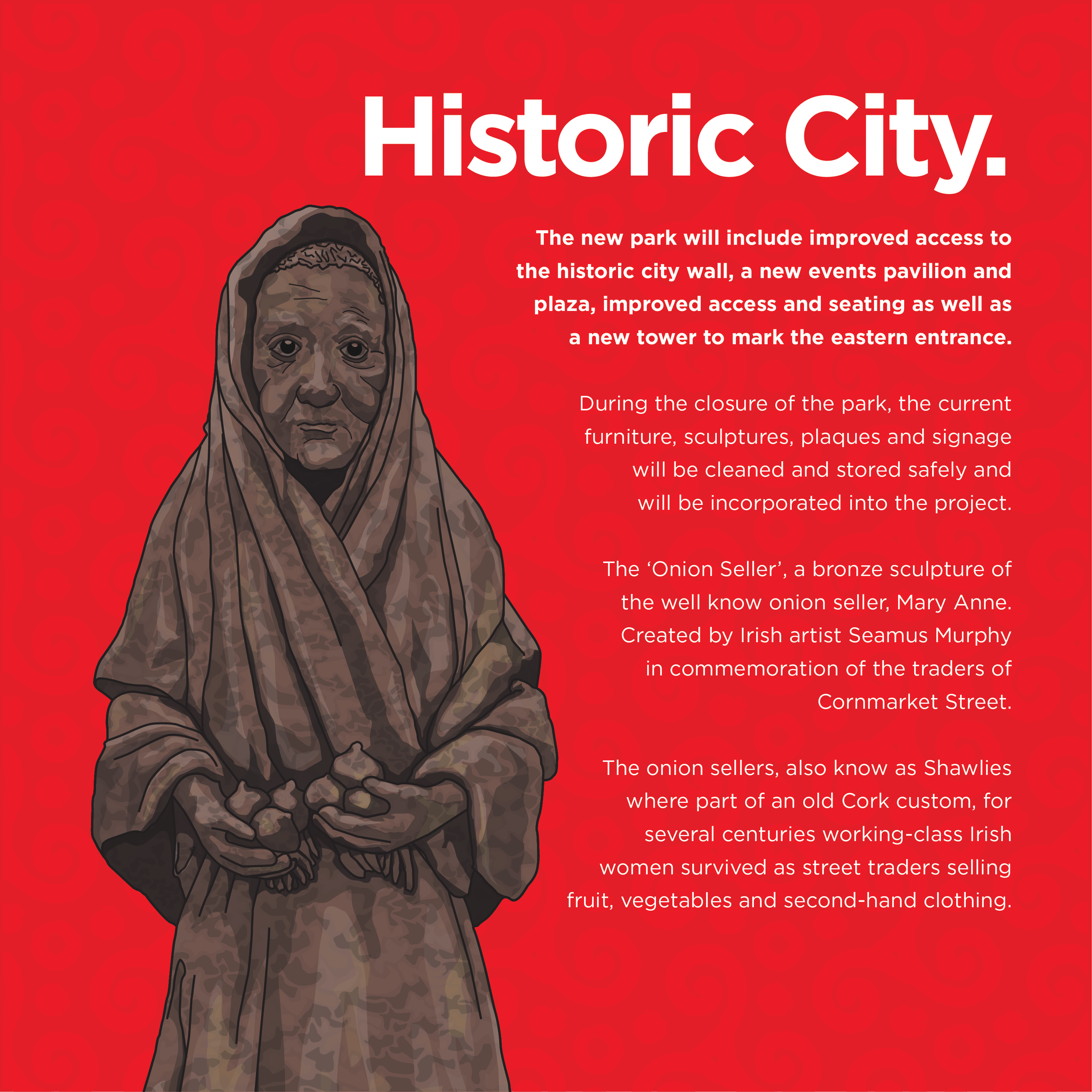
Historic Description
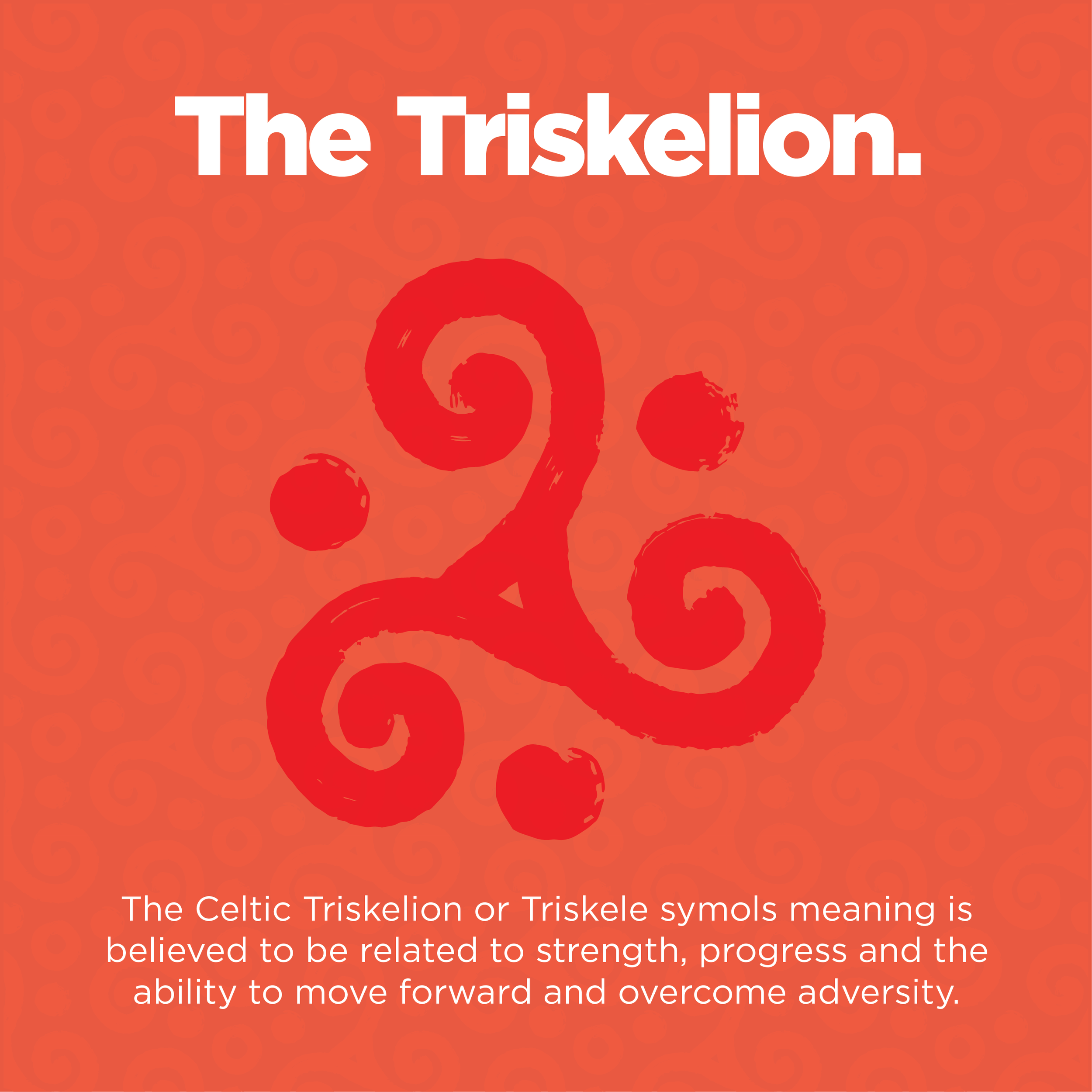
Triskelion Symbol Description
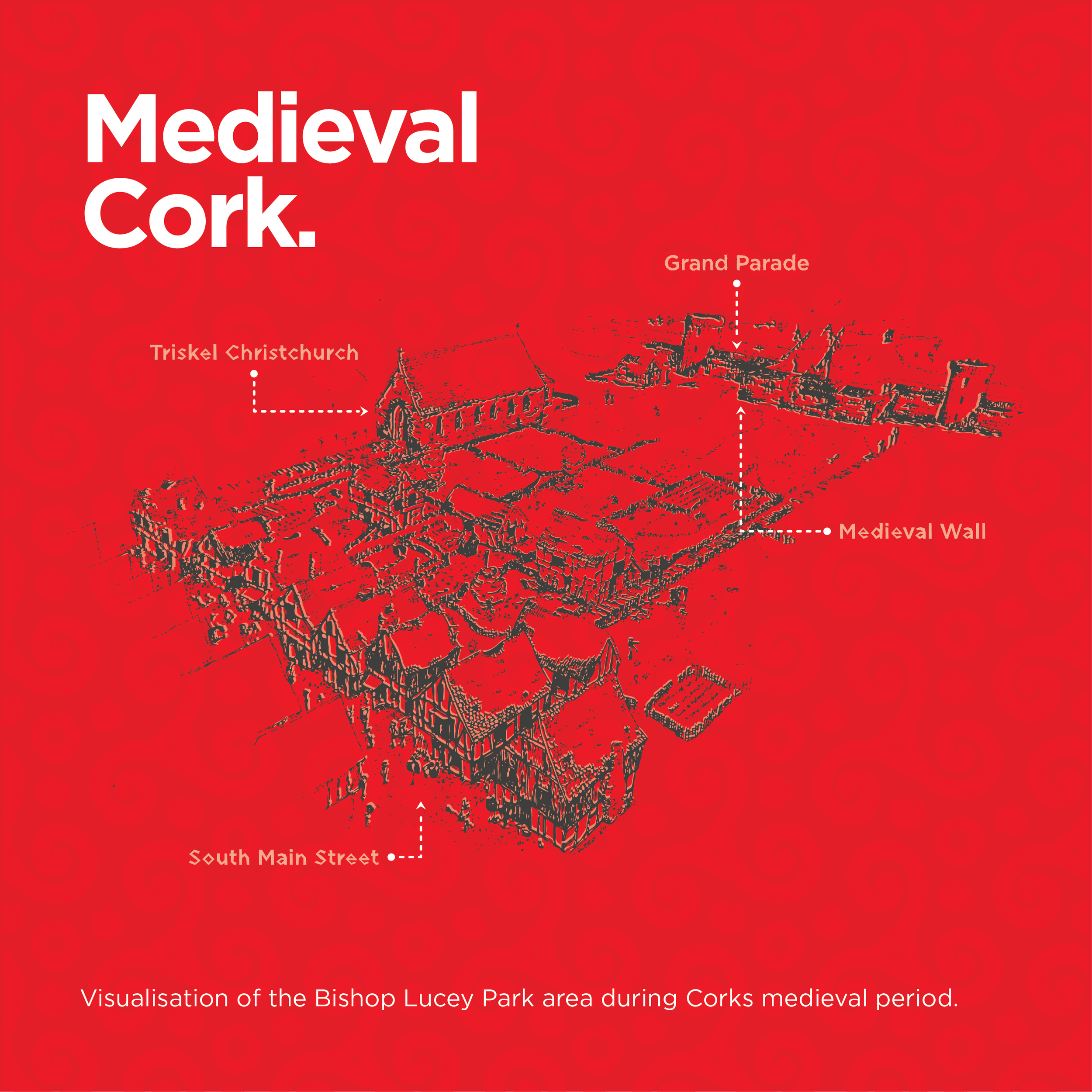
Medieval Map

Tree Place holder (Referencing the Park to come)
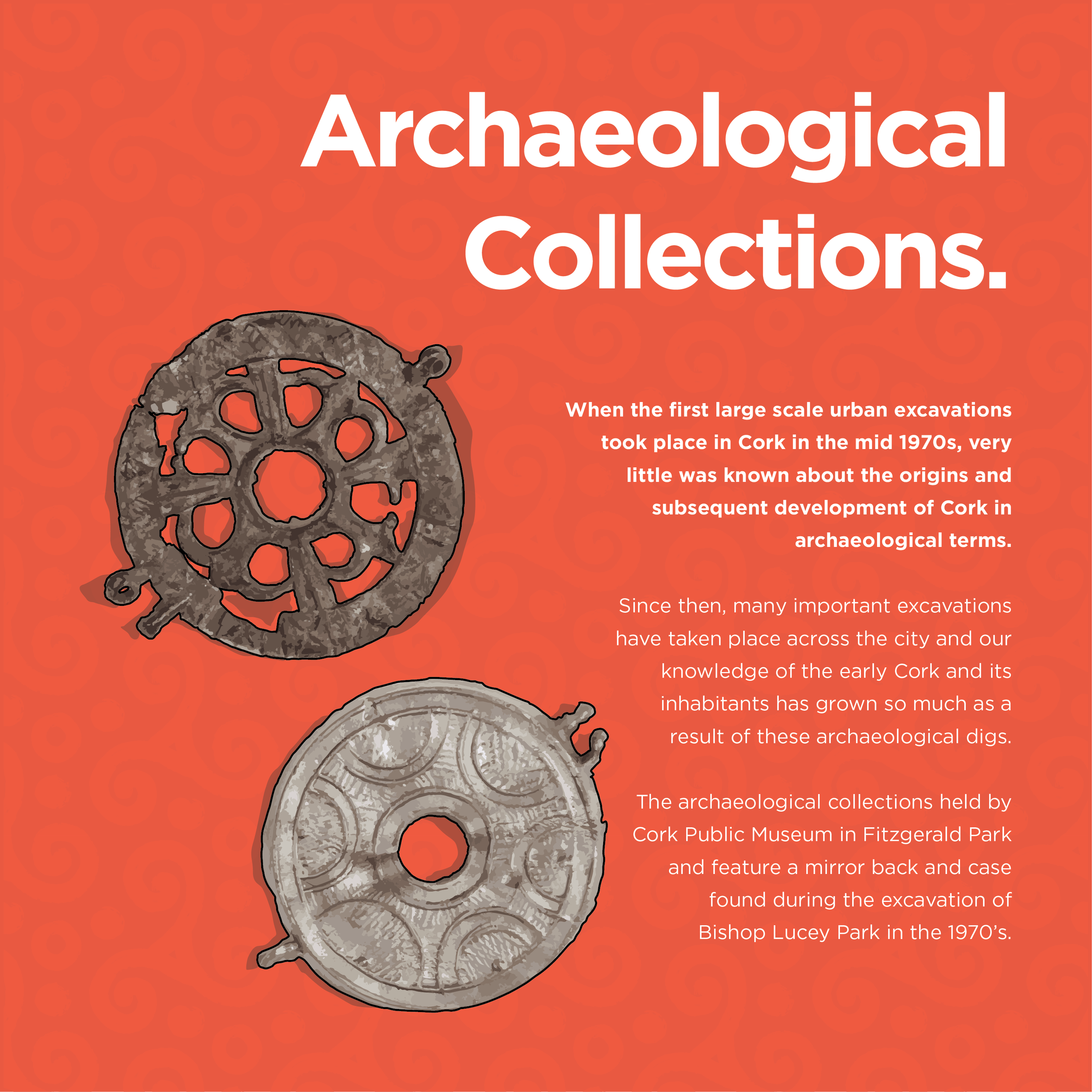
Archaeological Finds

Tree Place holder (Referencing the Park to come)
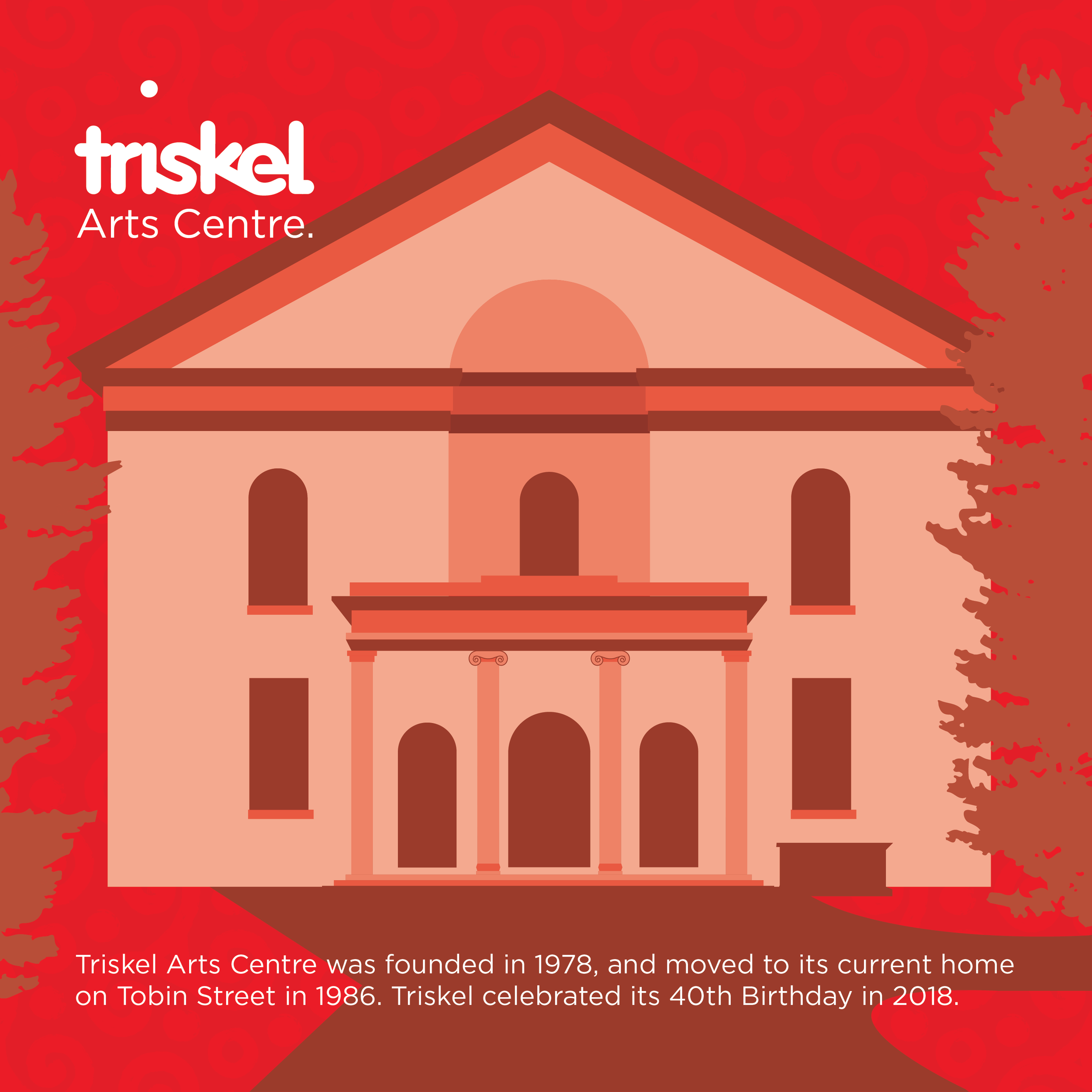
Triskel Arts Centre
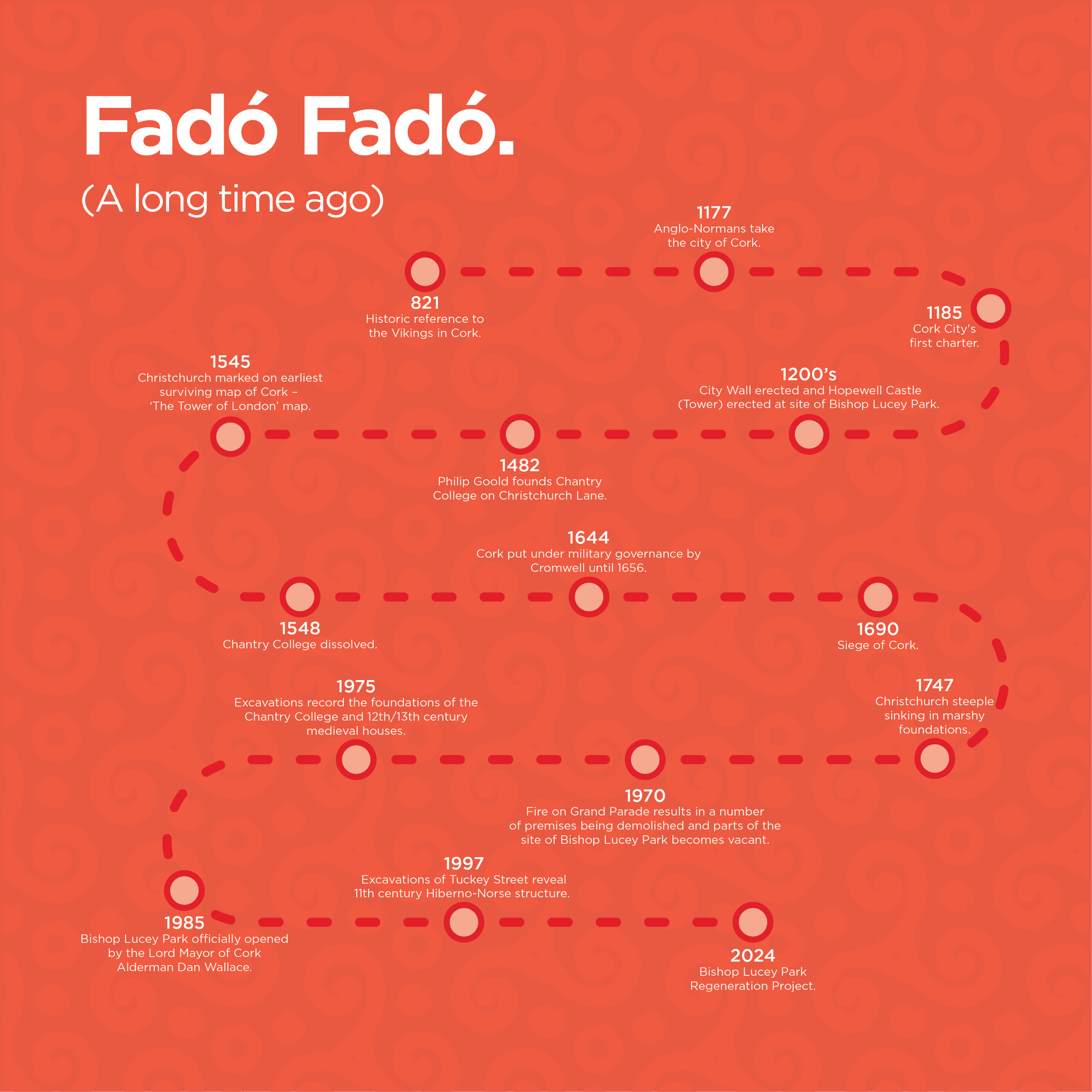
Historic Timeline
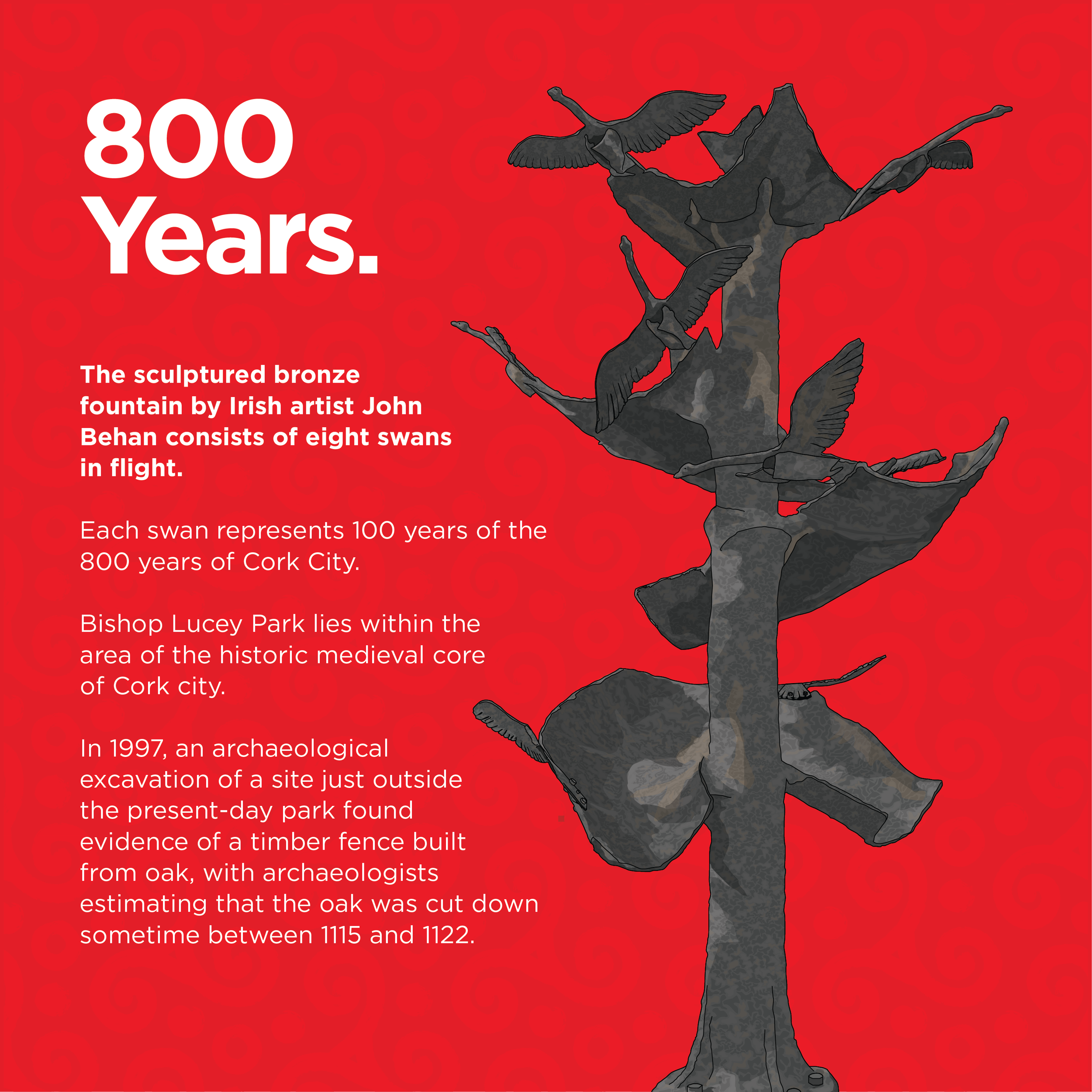
Historic Sculpture

Tree Place holder (Referencing the Park to come)
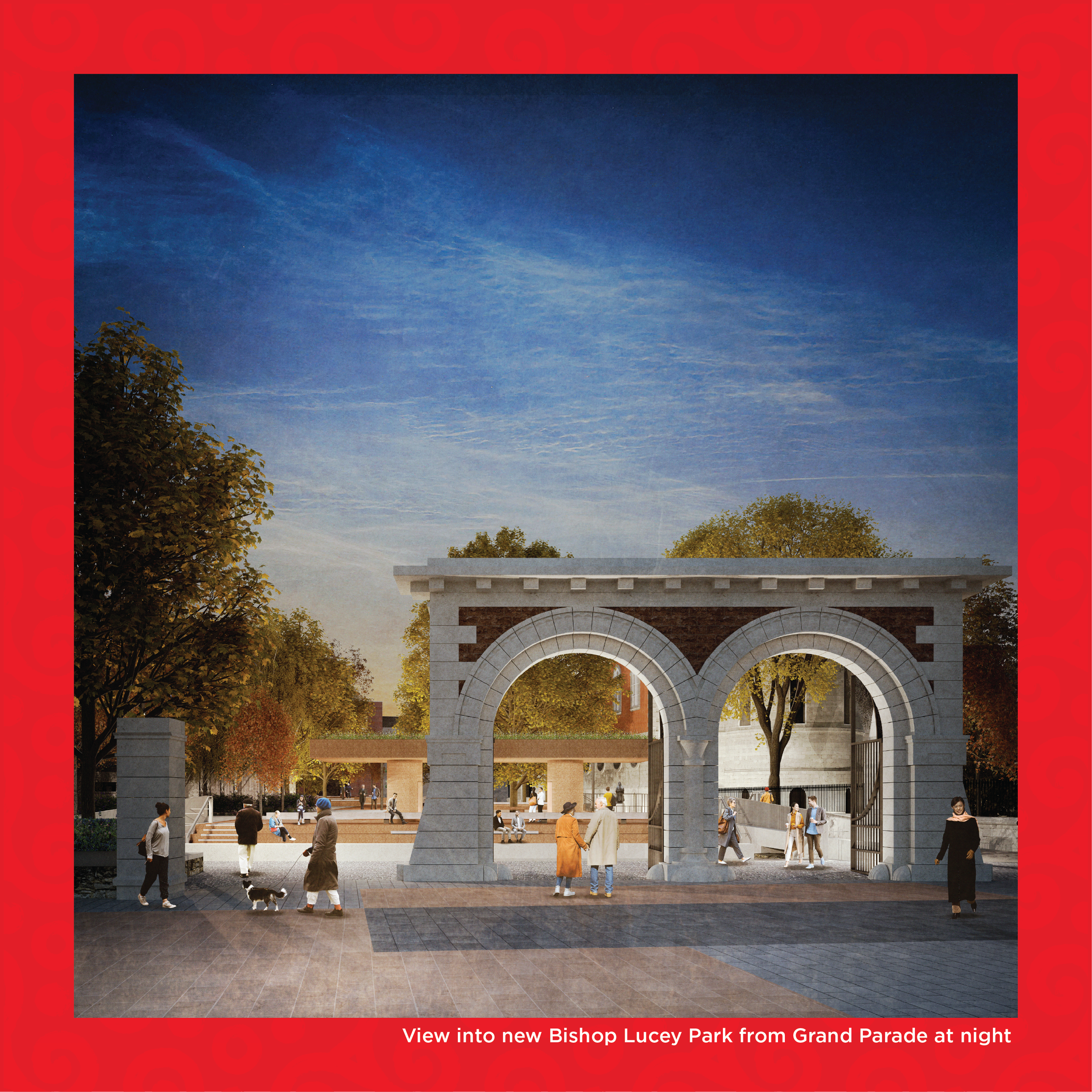
Montage/Visualization 1

Tree Place holder (Referencing the Park to come)
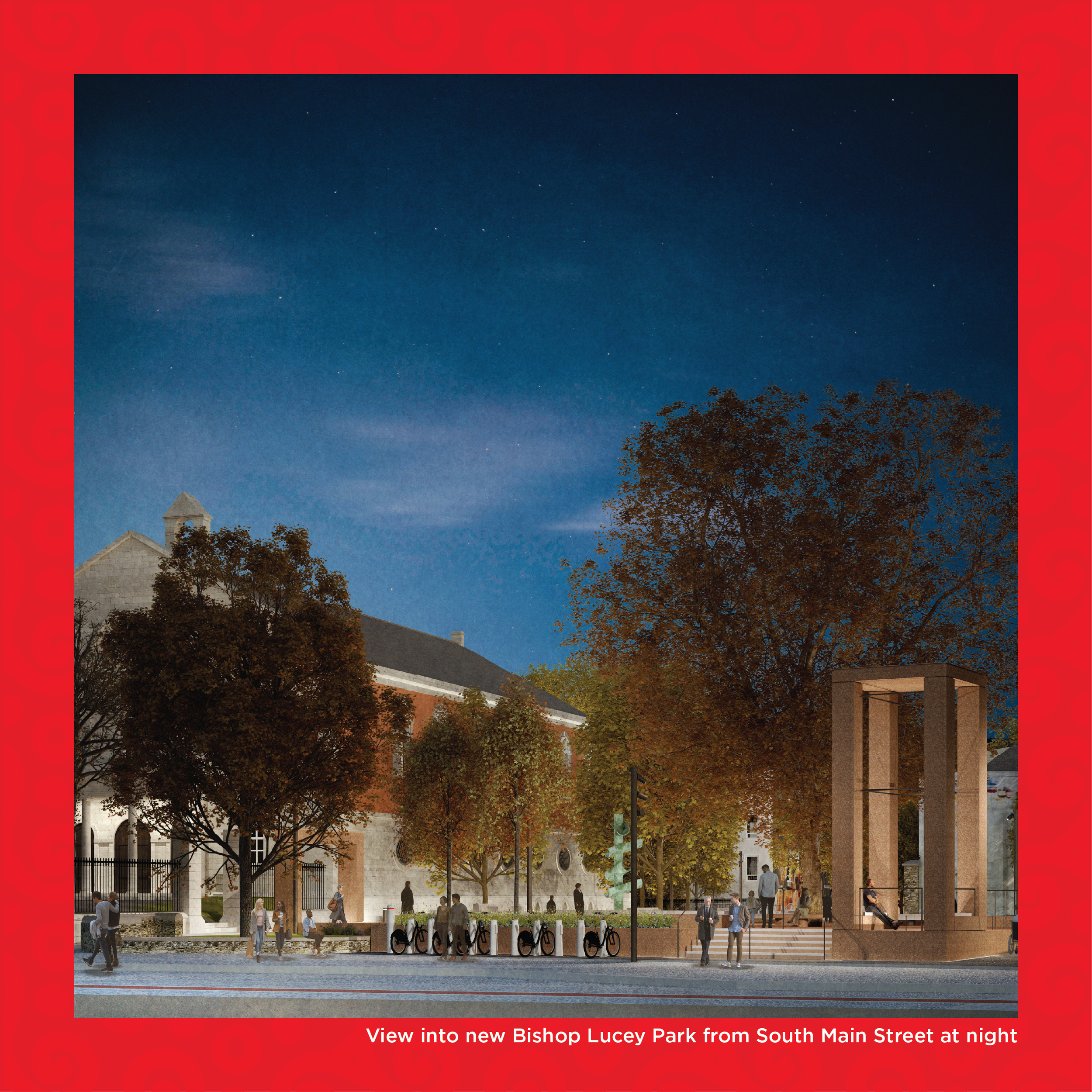
Montage/Visualization 2

Tree Place holder (Referencing the Park to come)
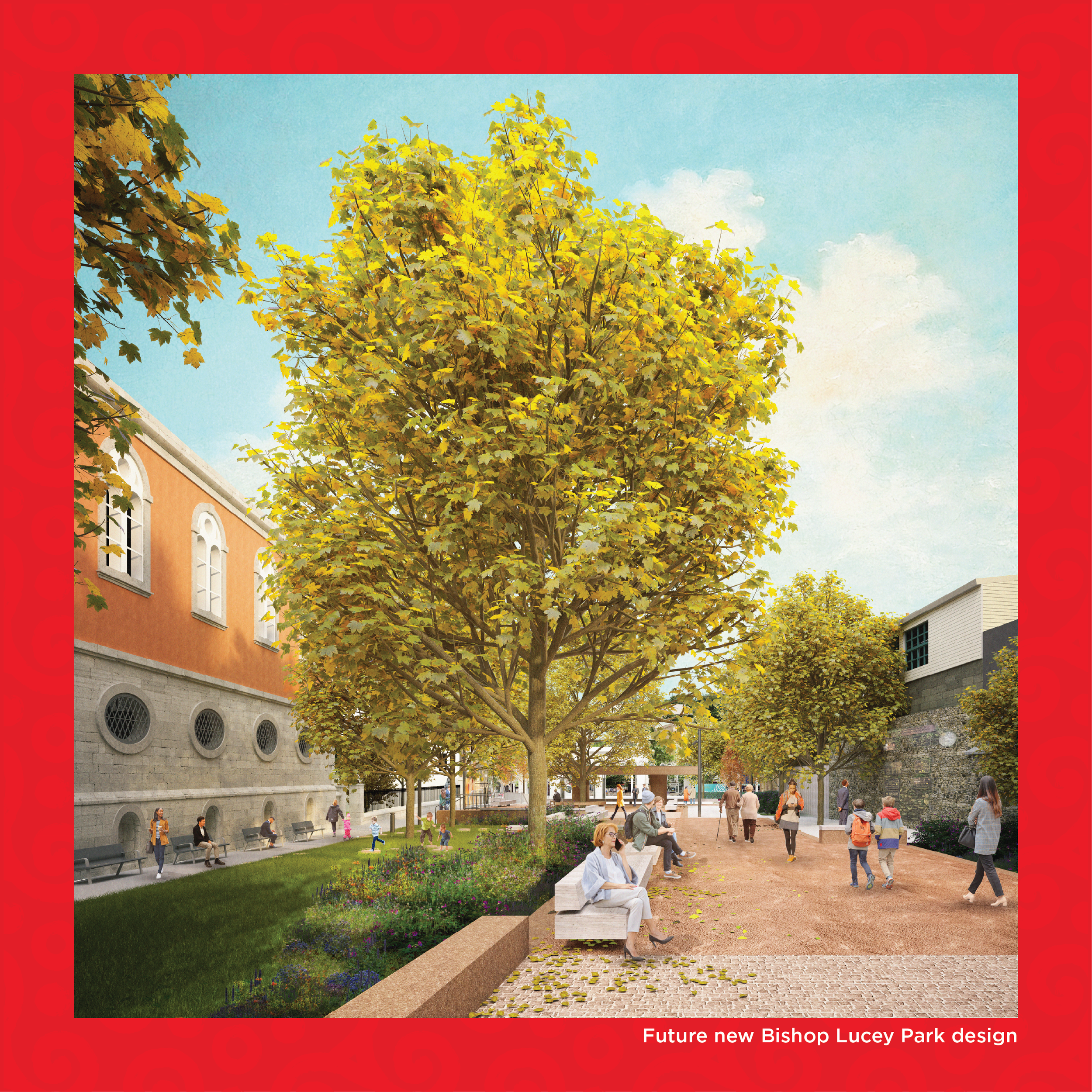
Montage/Visualization 3
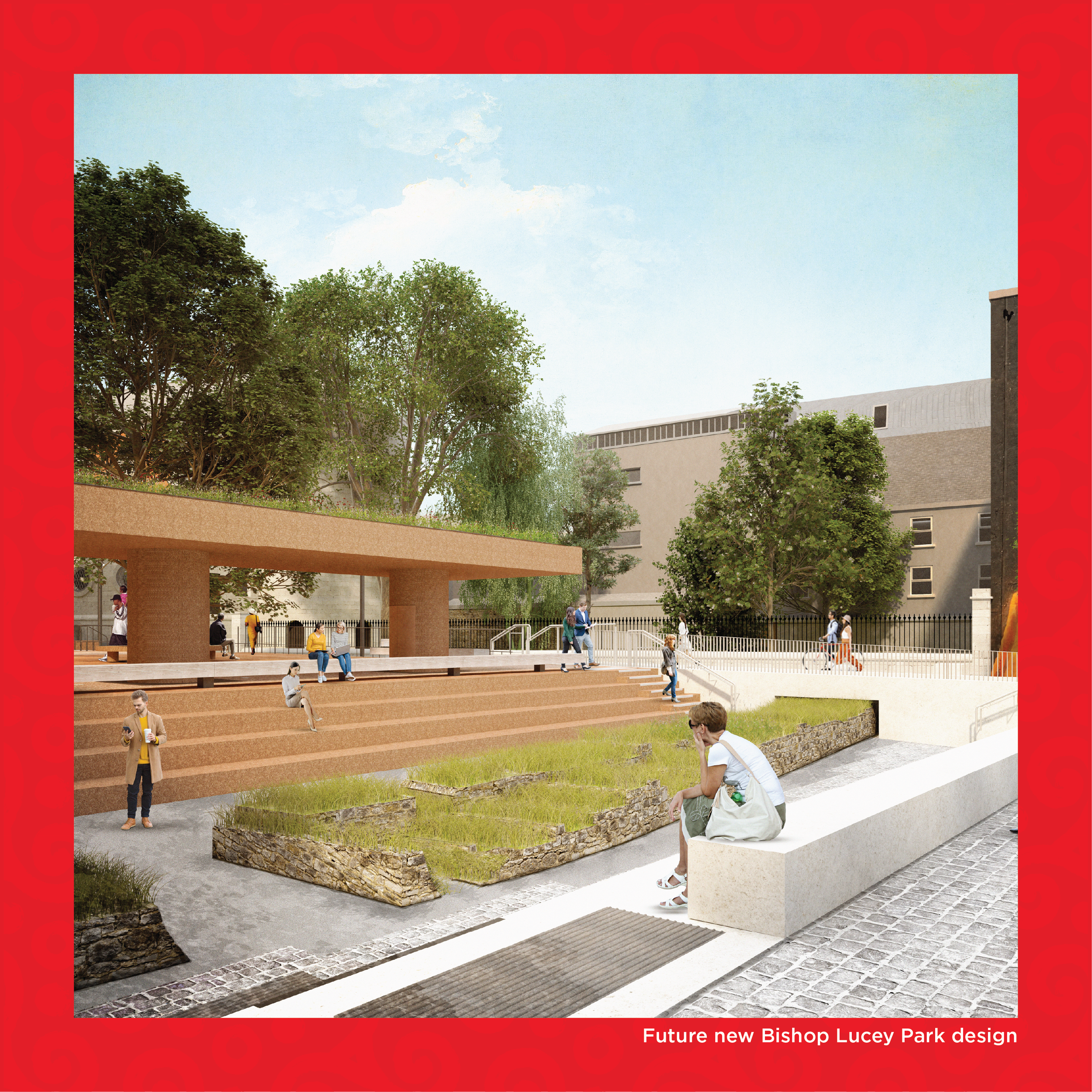
Montage/Visualization 4
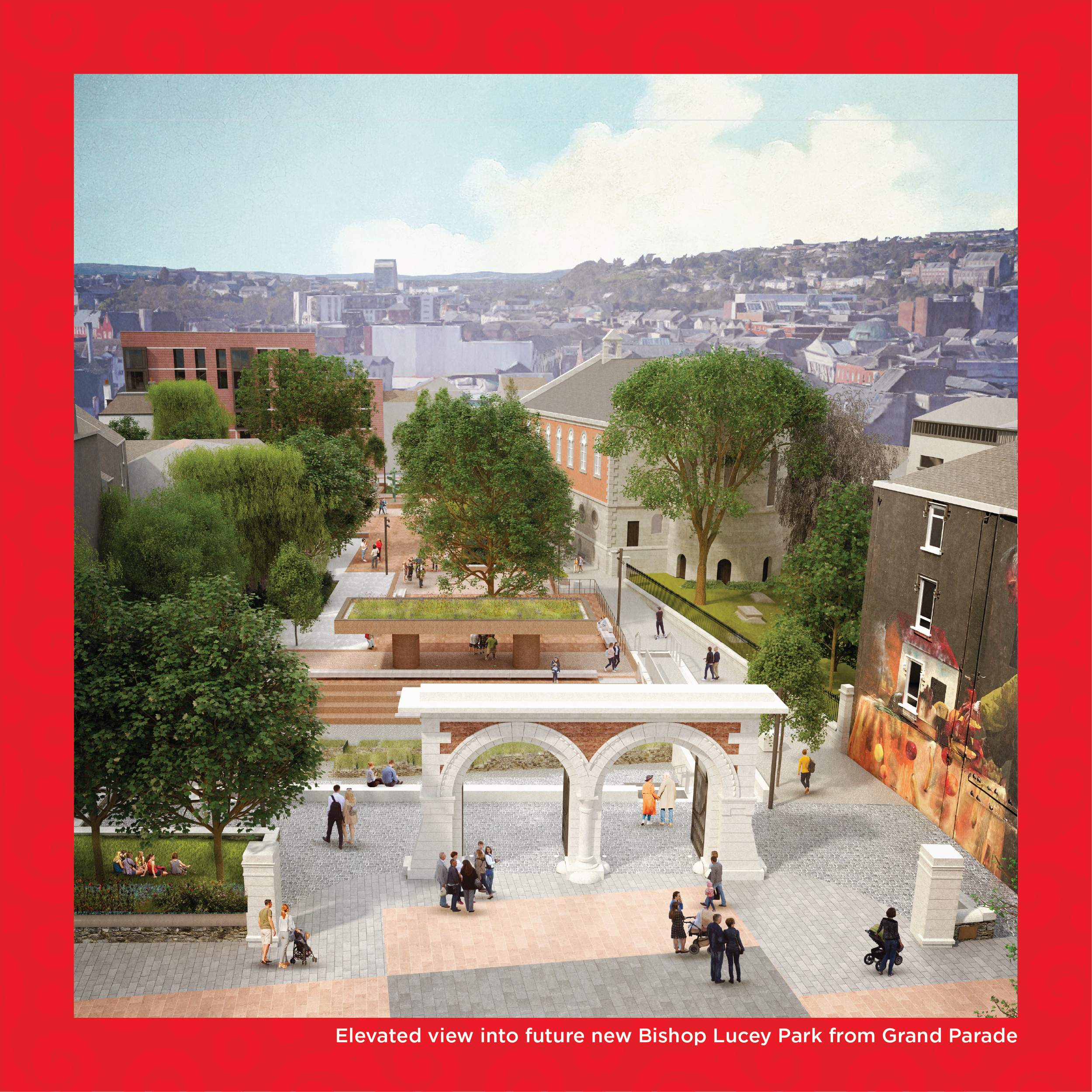
Montage/Visualization 5
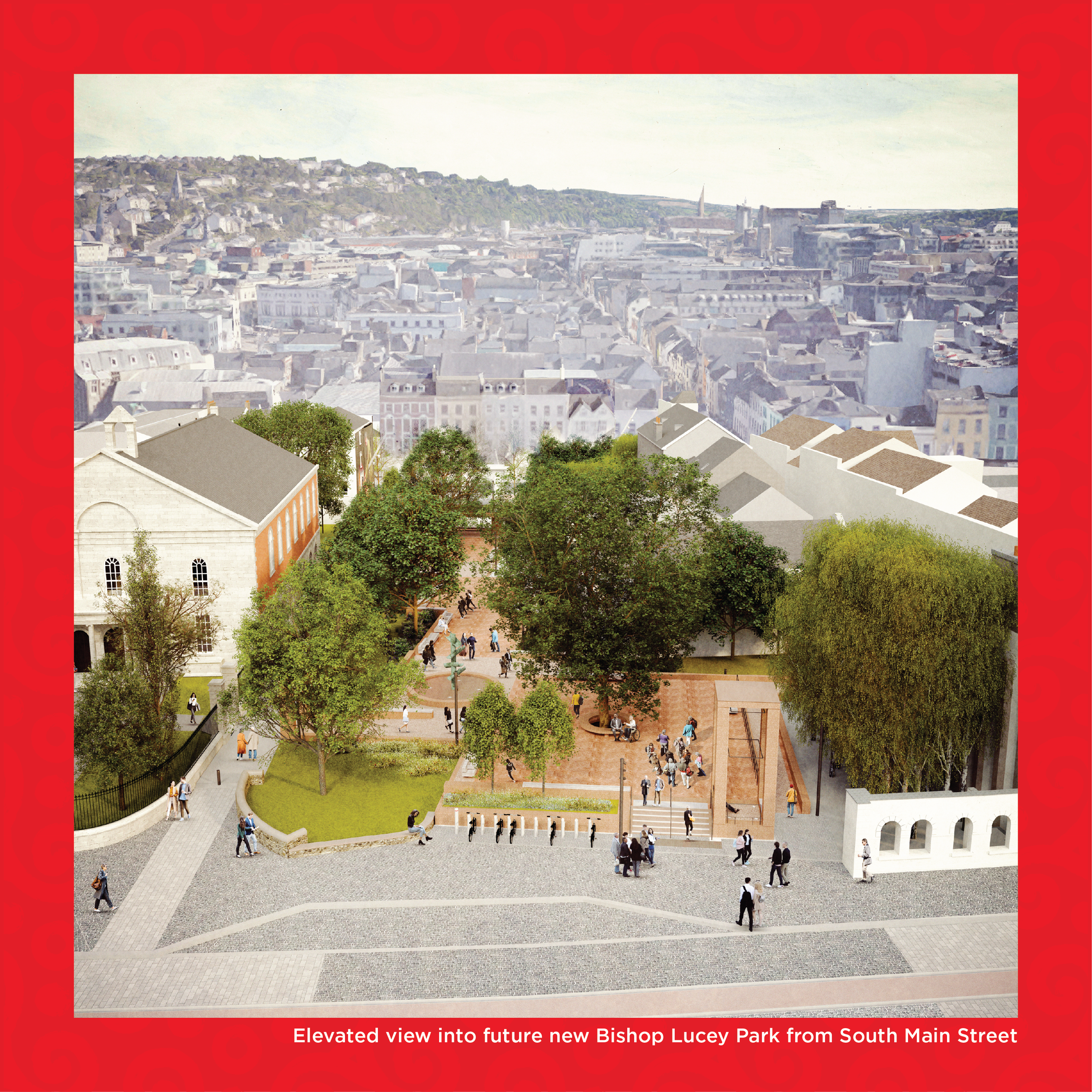
Montage/Visualization 6
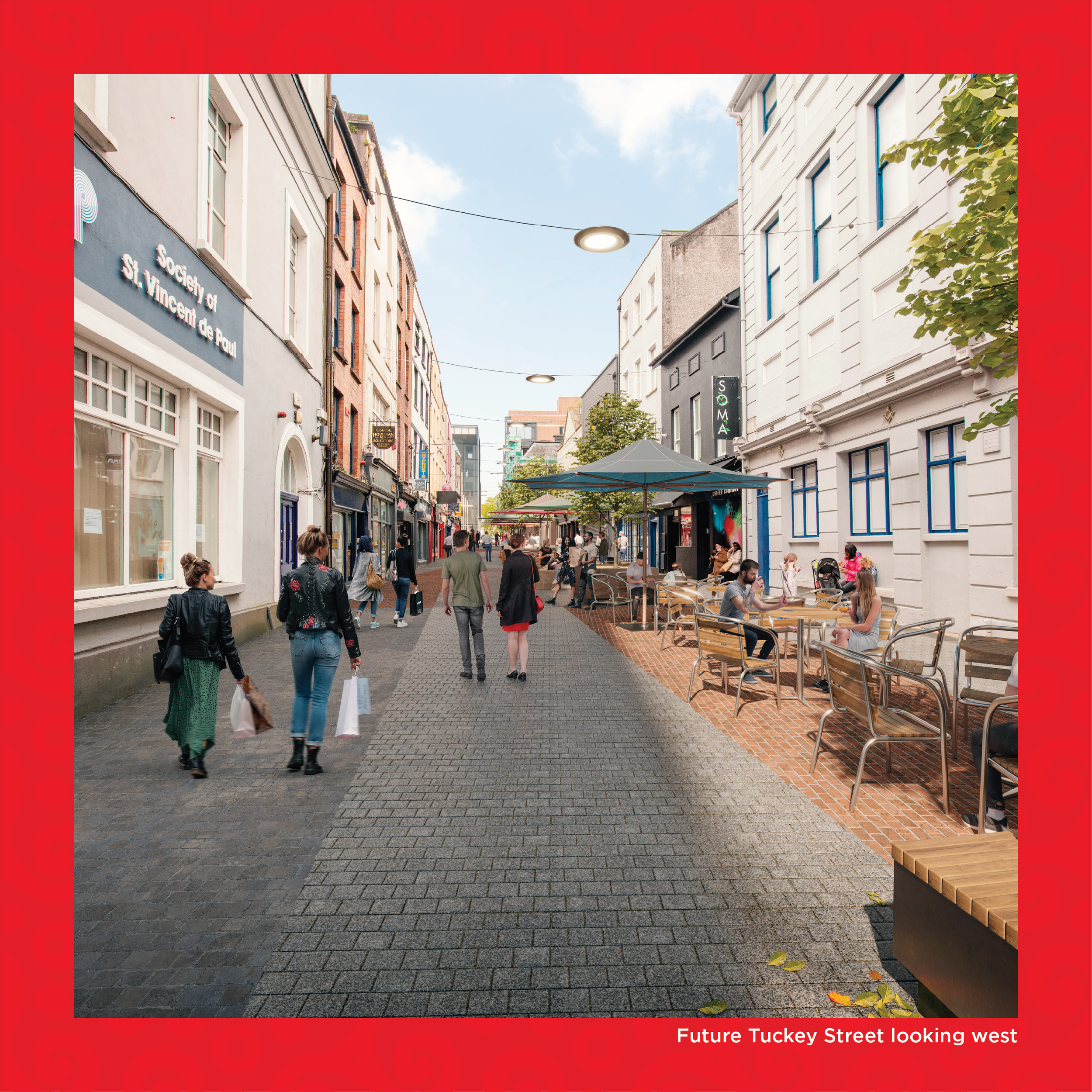
Montage/Visualization 7
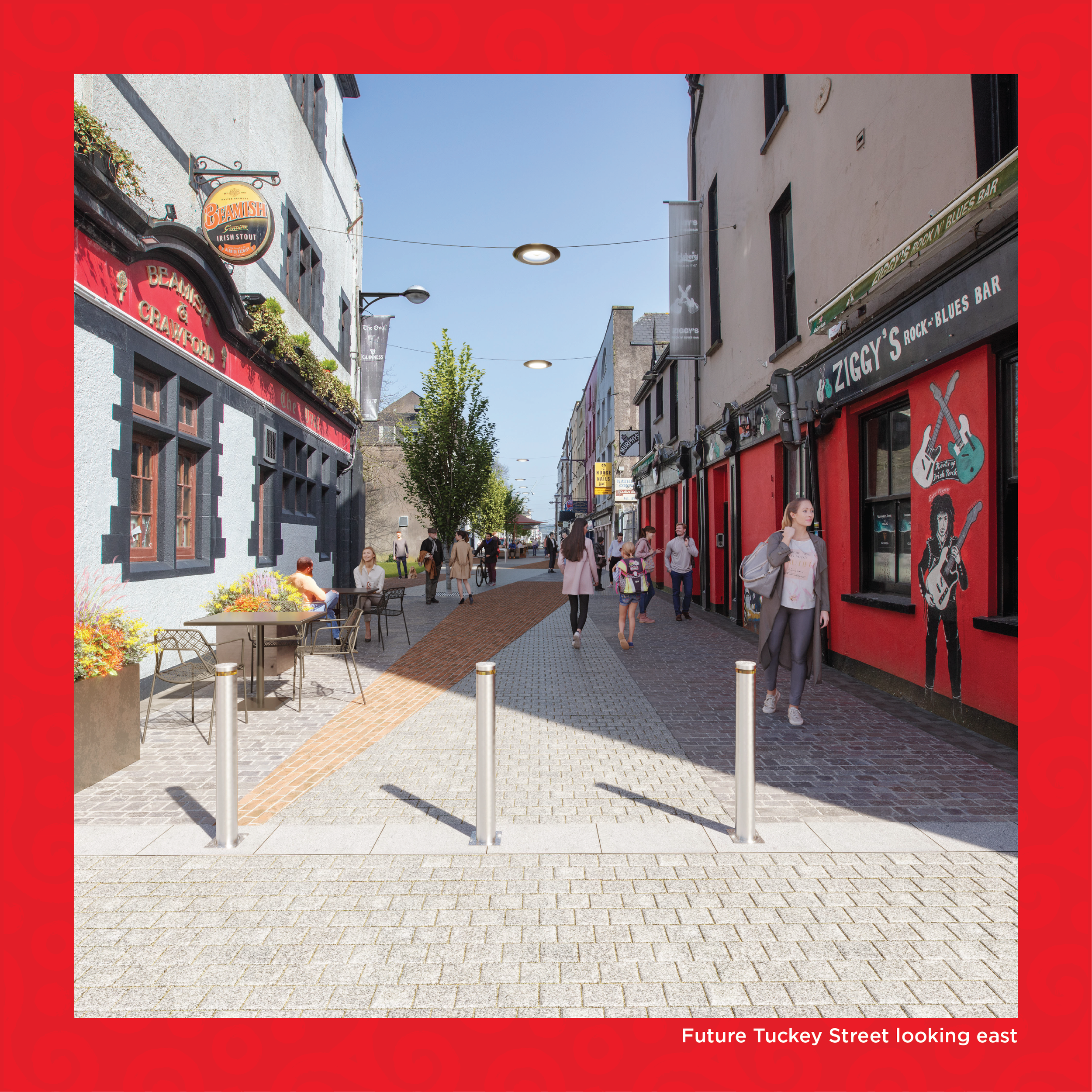
Montage/Visualization 8

Tree Place holder (Referencing the Park to come)
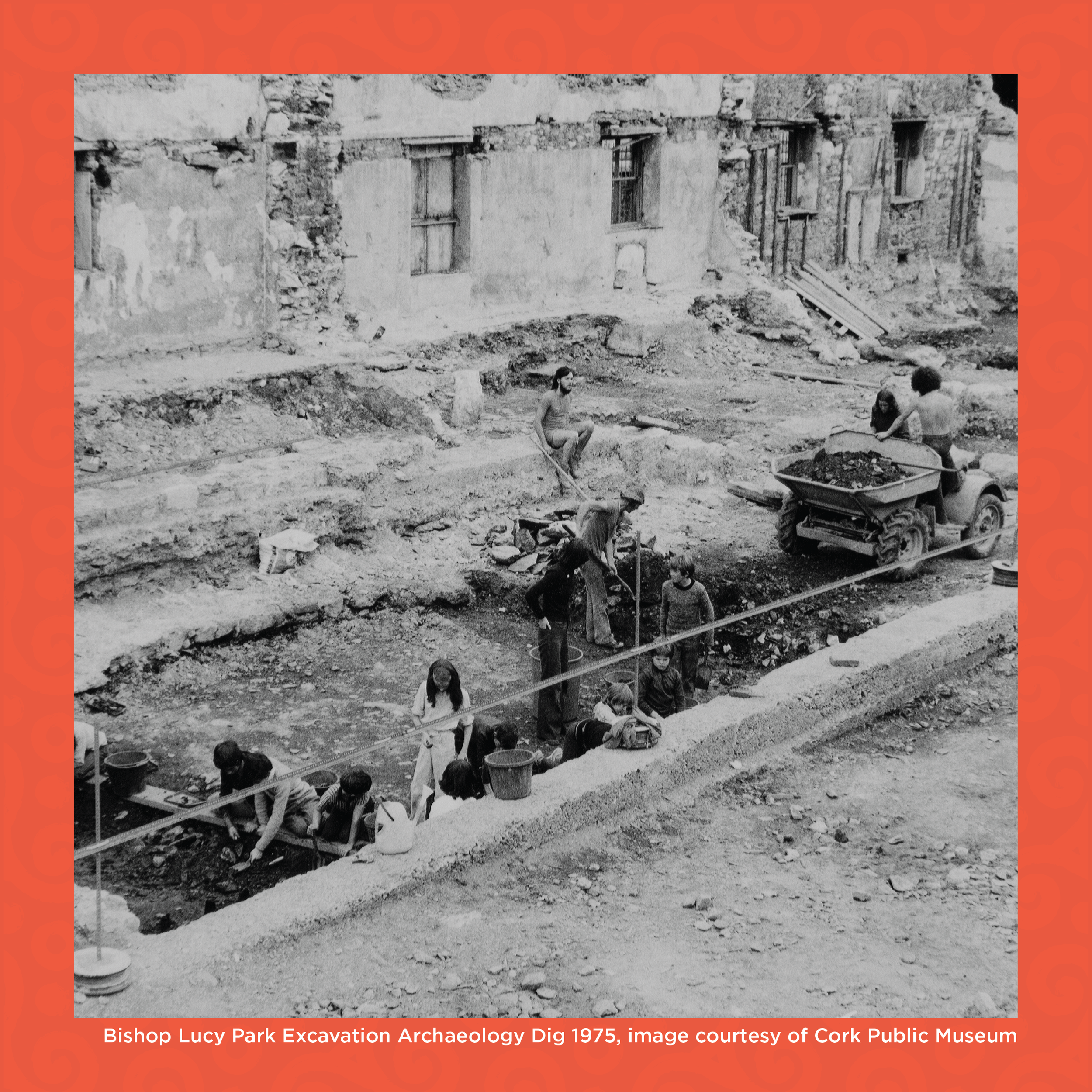
Archaeological Excavation 1

Archaeological Excavation 2
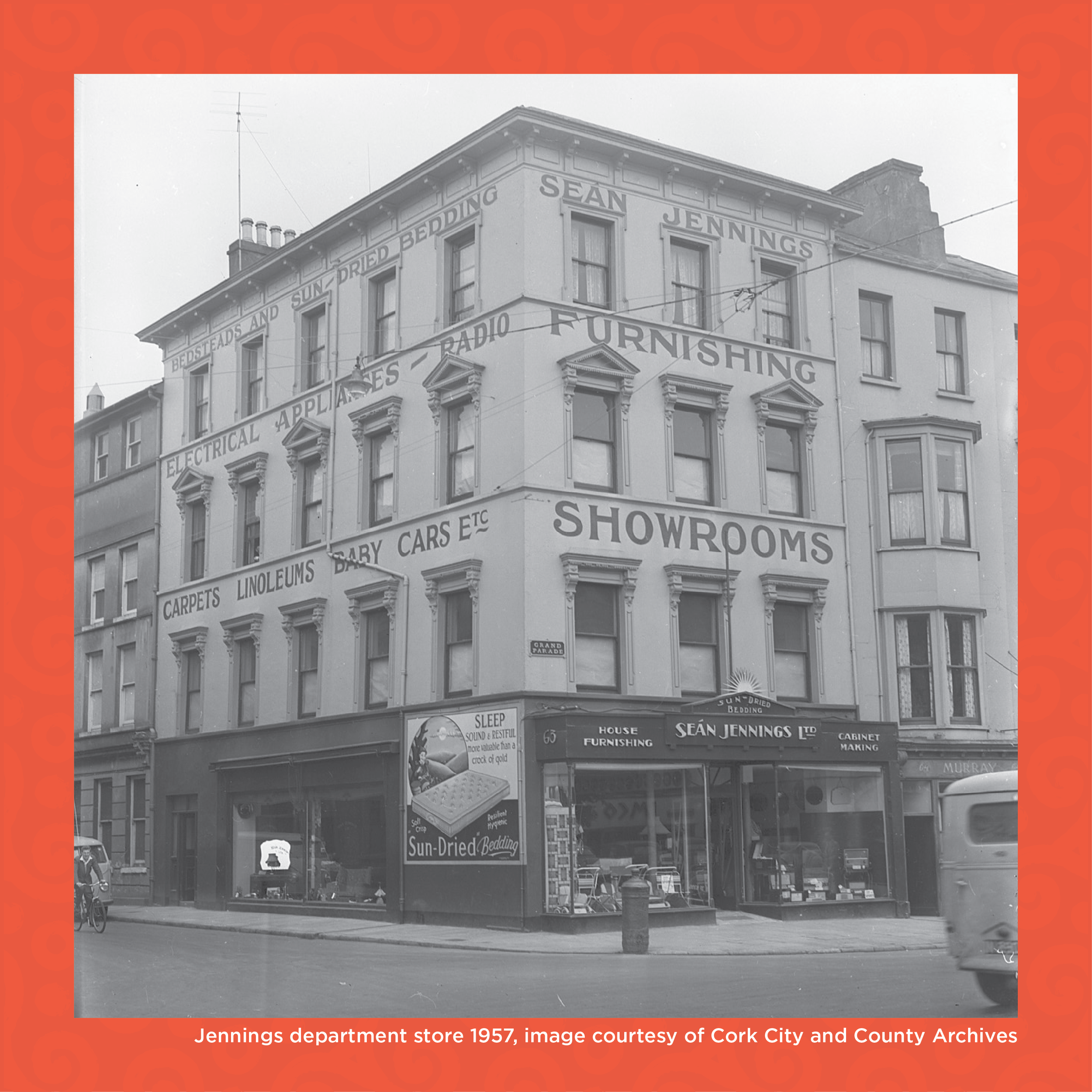
Archaeological Excavation 3
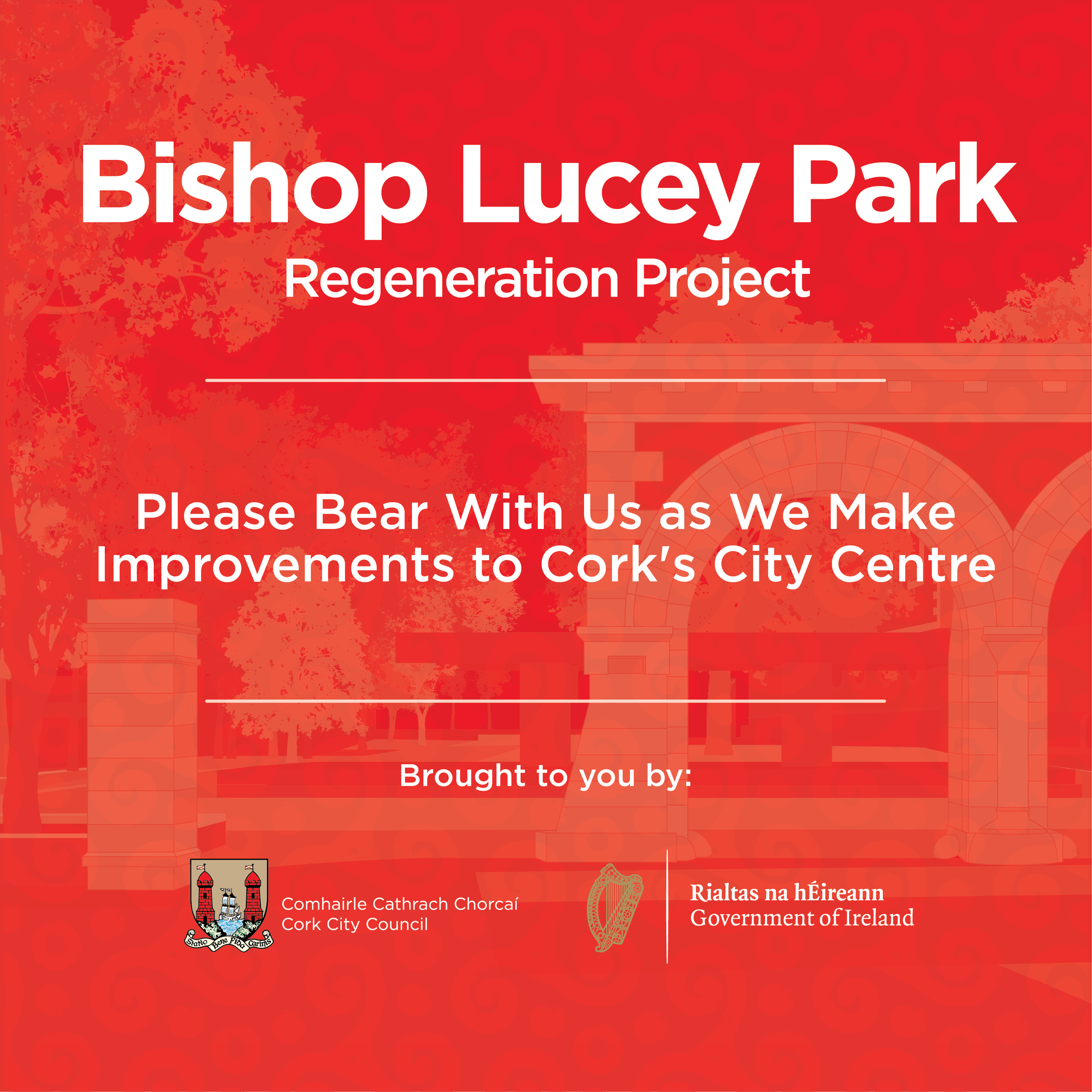
End Hoarding
IRL
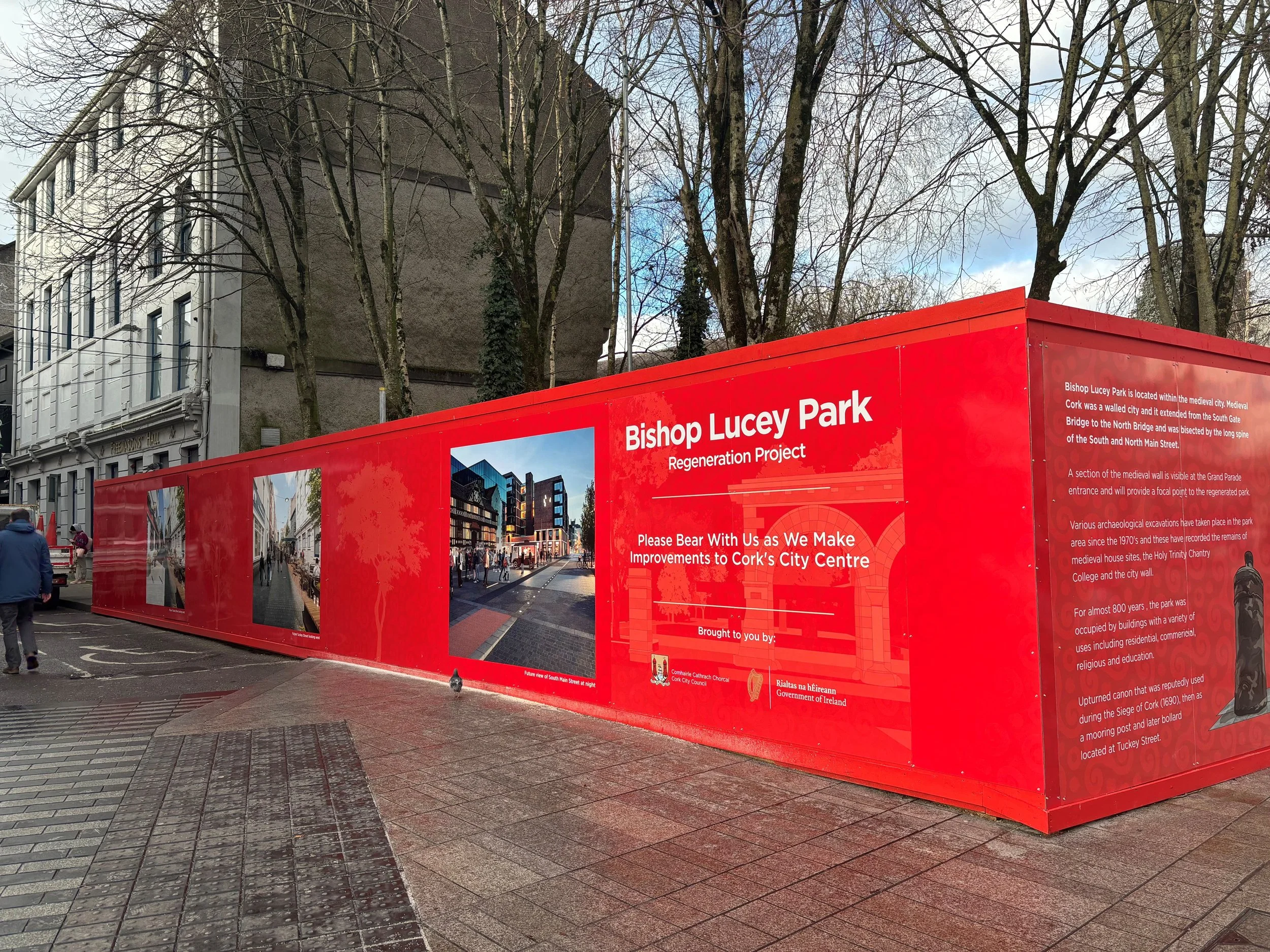
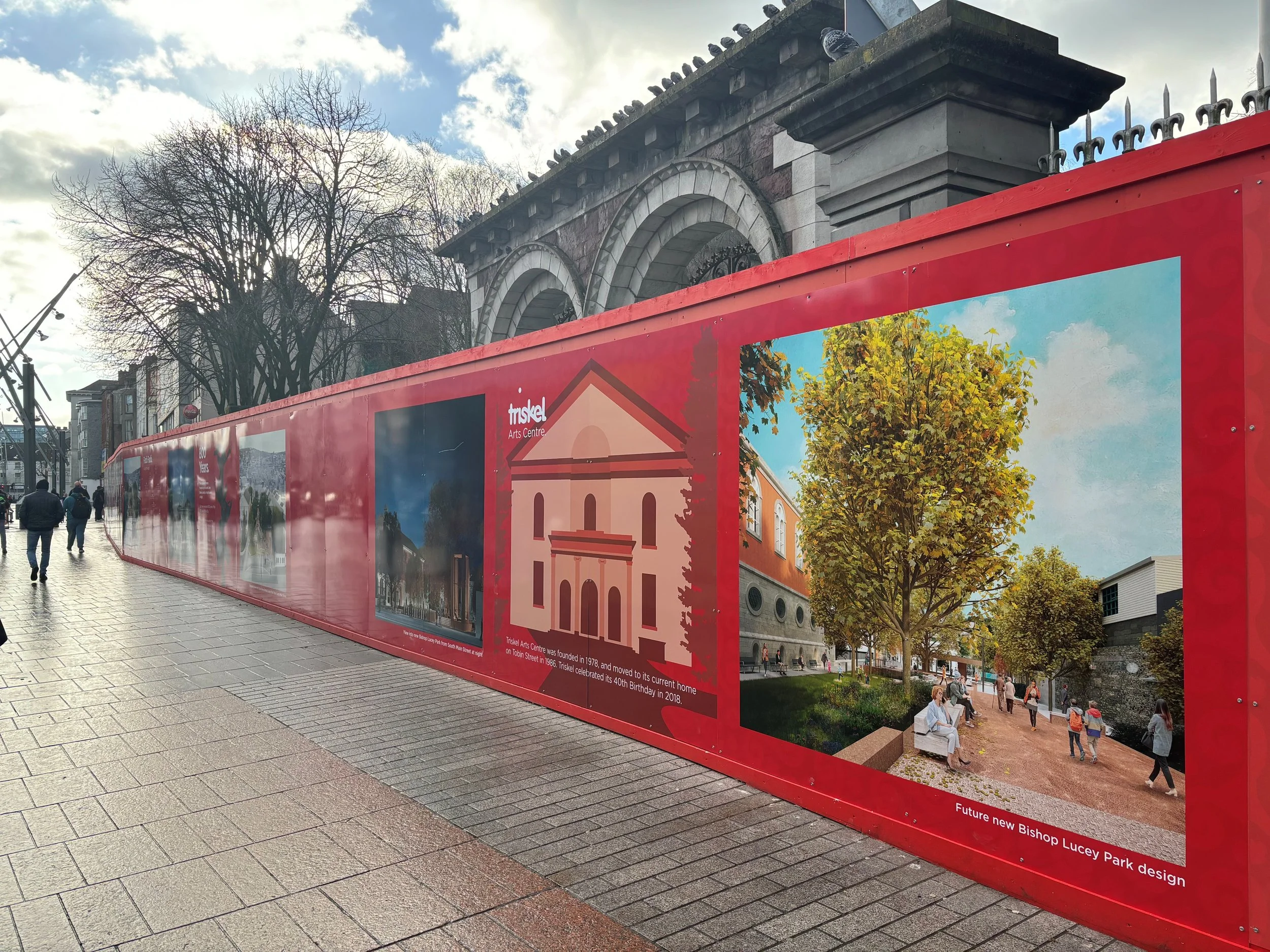
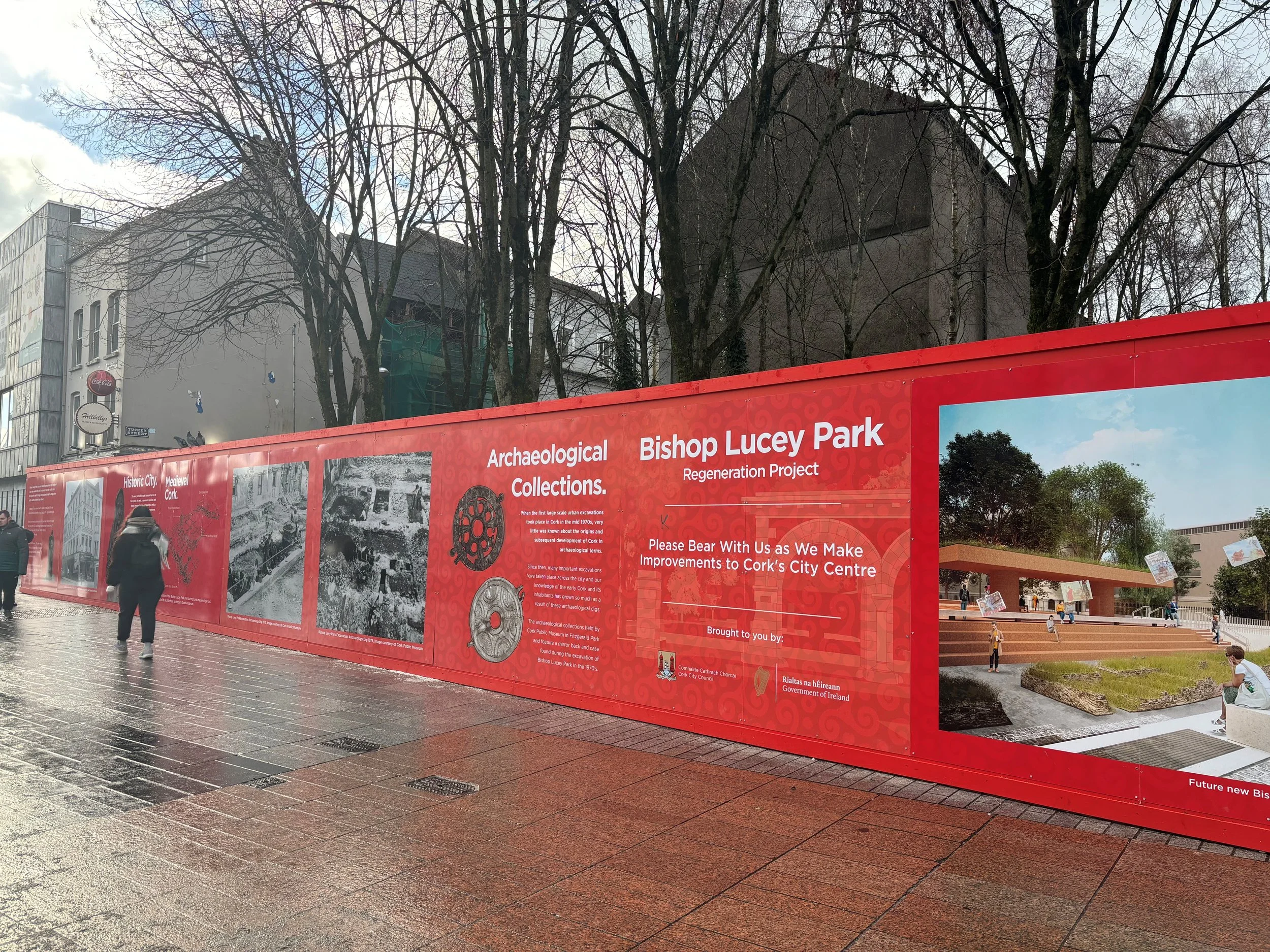
The hoarding transformed an active construction site into an informative and visually engaging public interface, turning a functional barrier into a storytelling surface.
Through clear typography, custom illustrations, and a consistent visual language, the installation helped contextualize the redevelopment for passersby, inviting engagement with both the site’s history and its future use while work was underway.
Illustrations

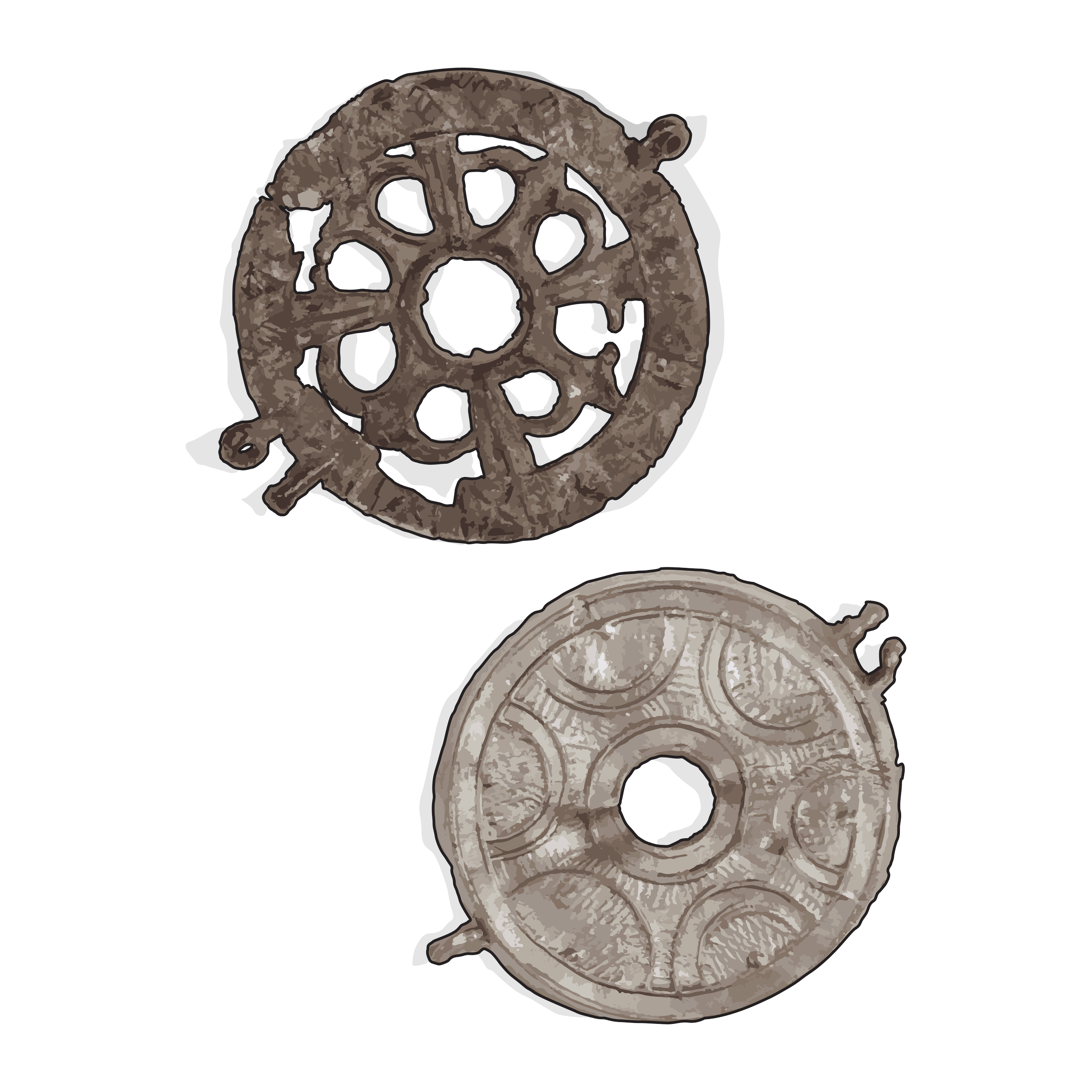
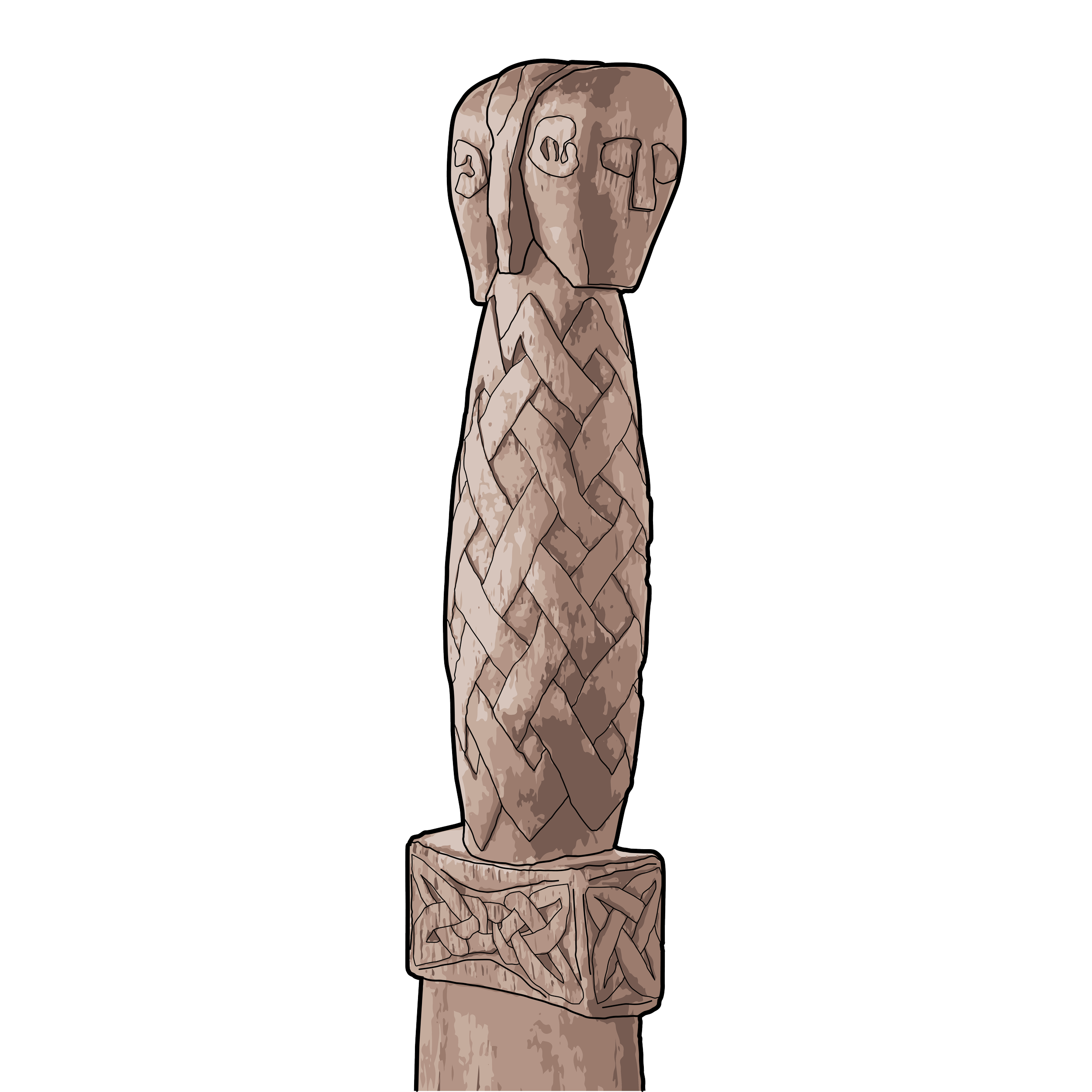
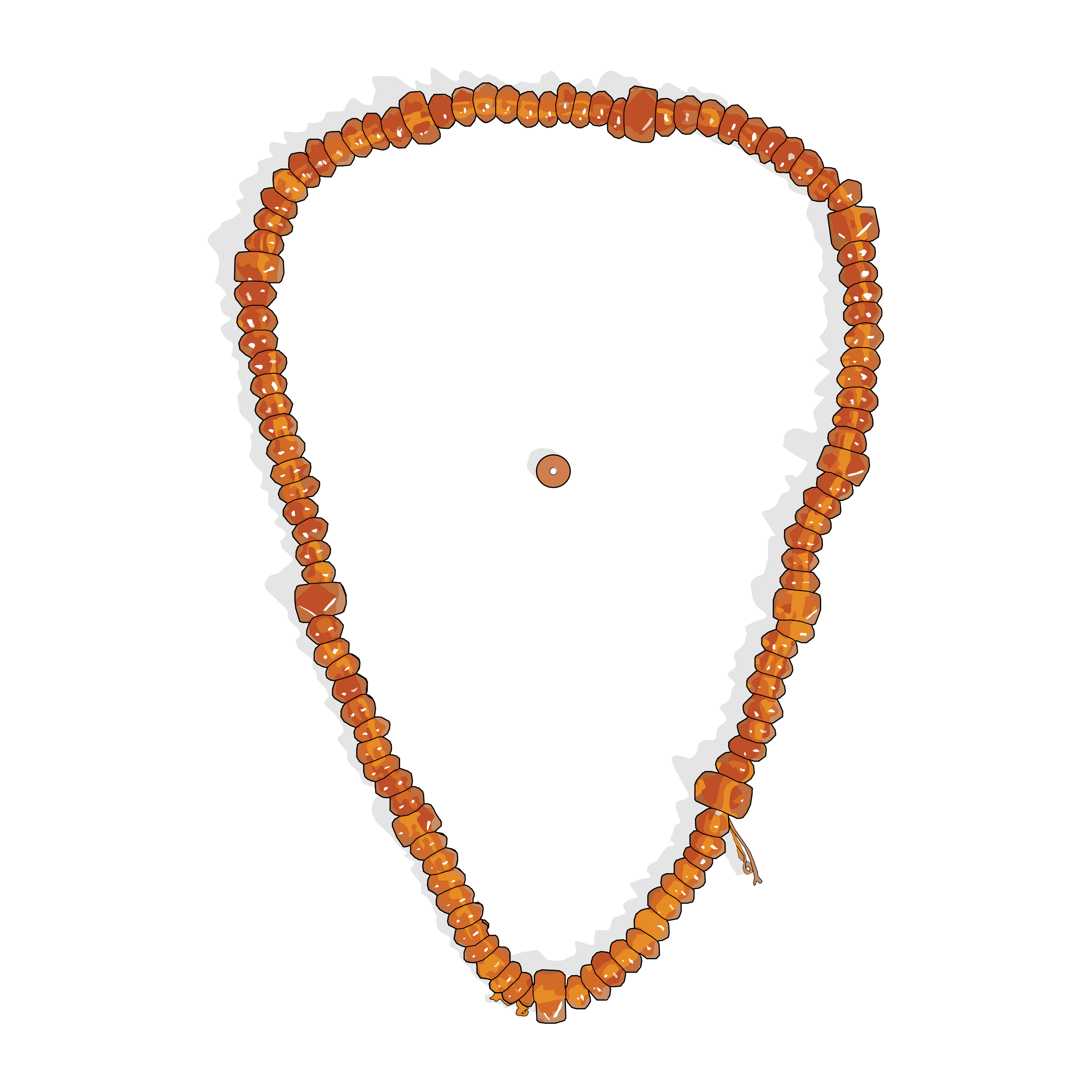
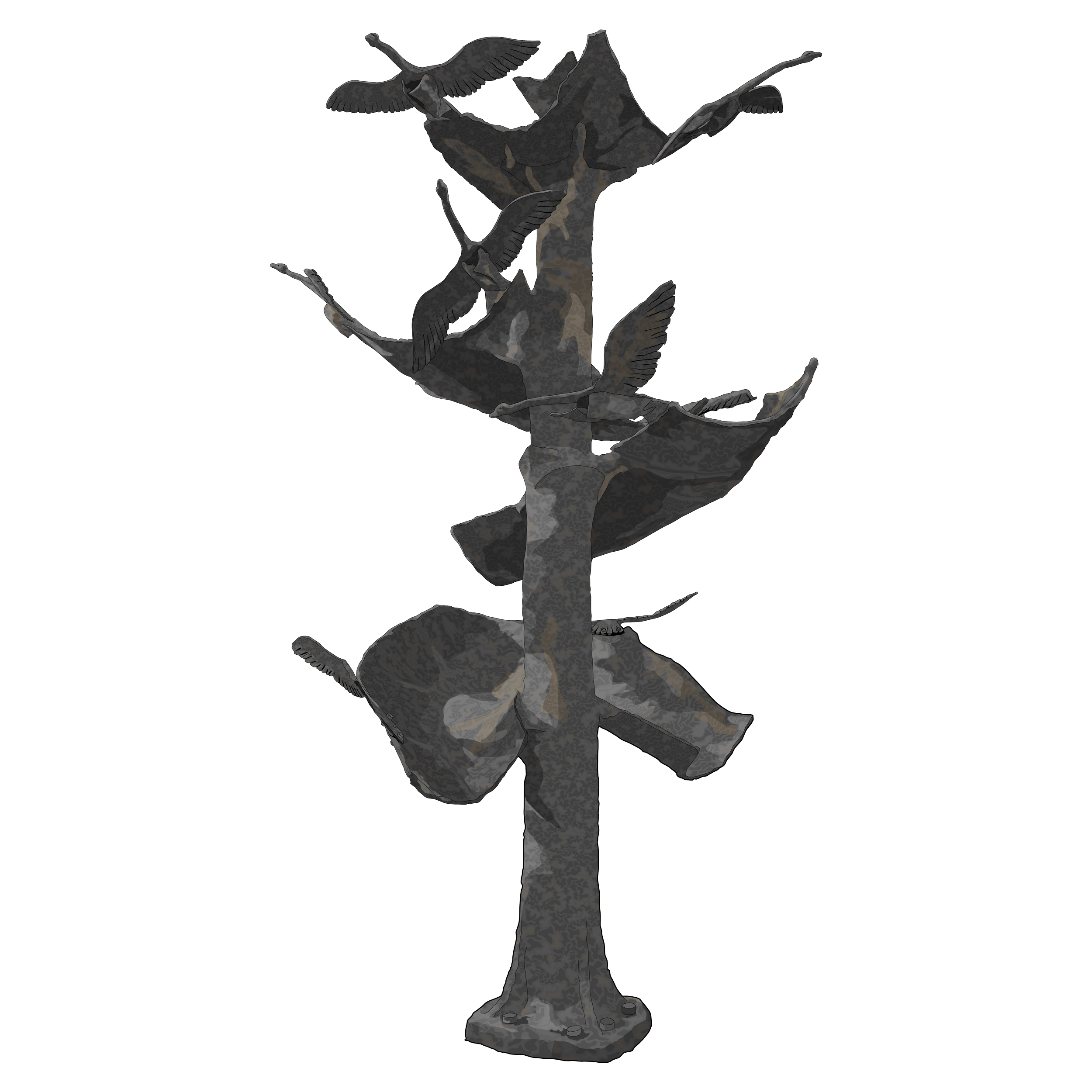
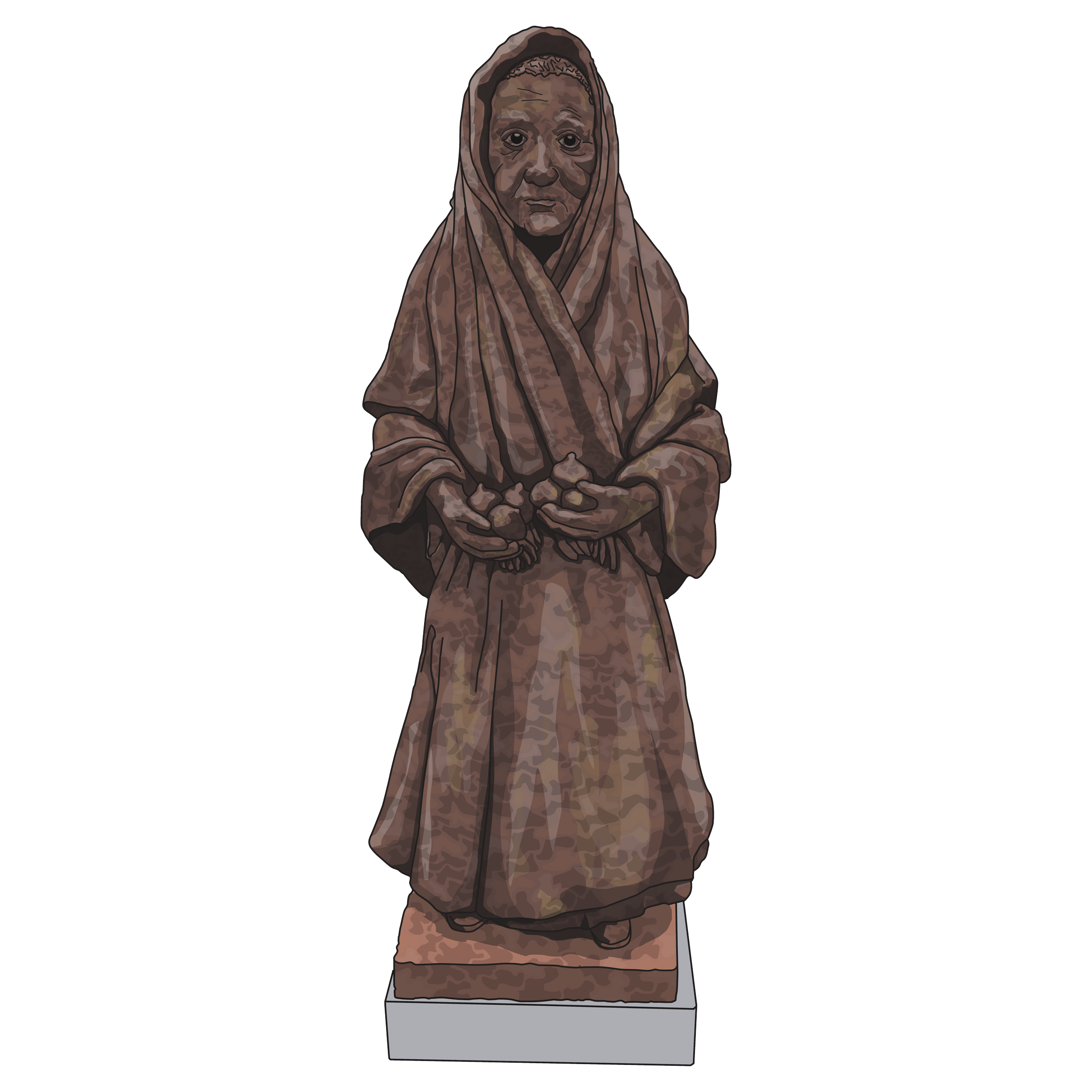

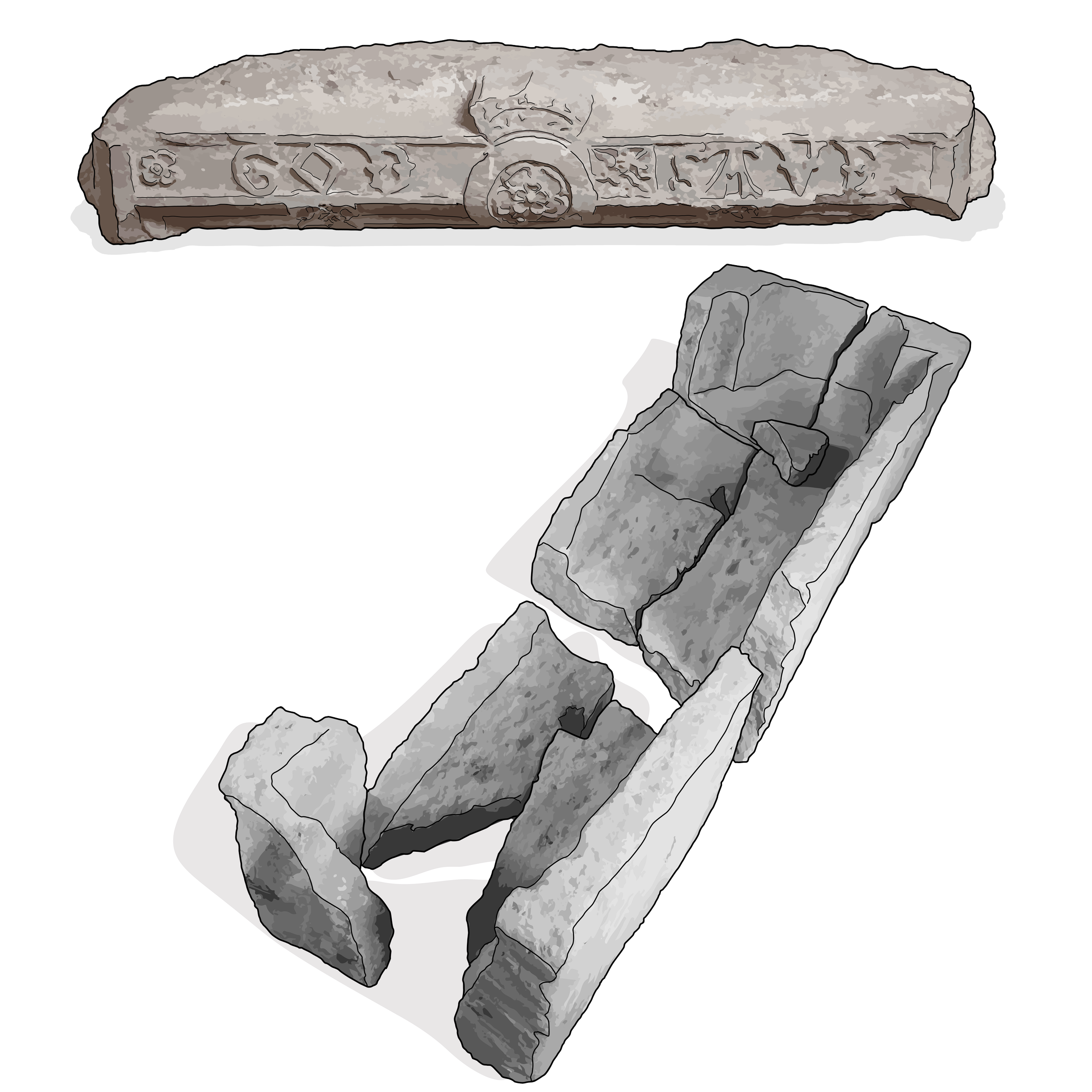

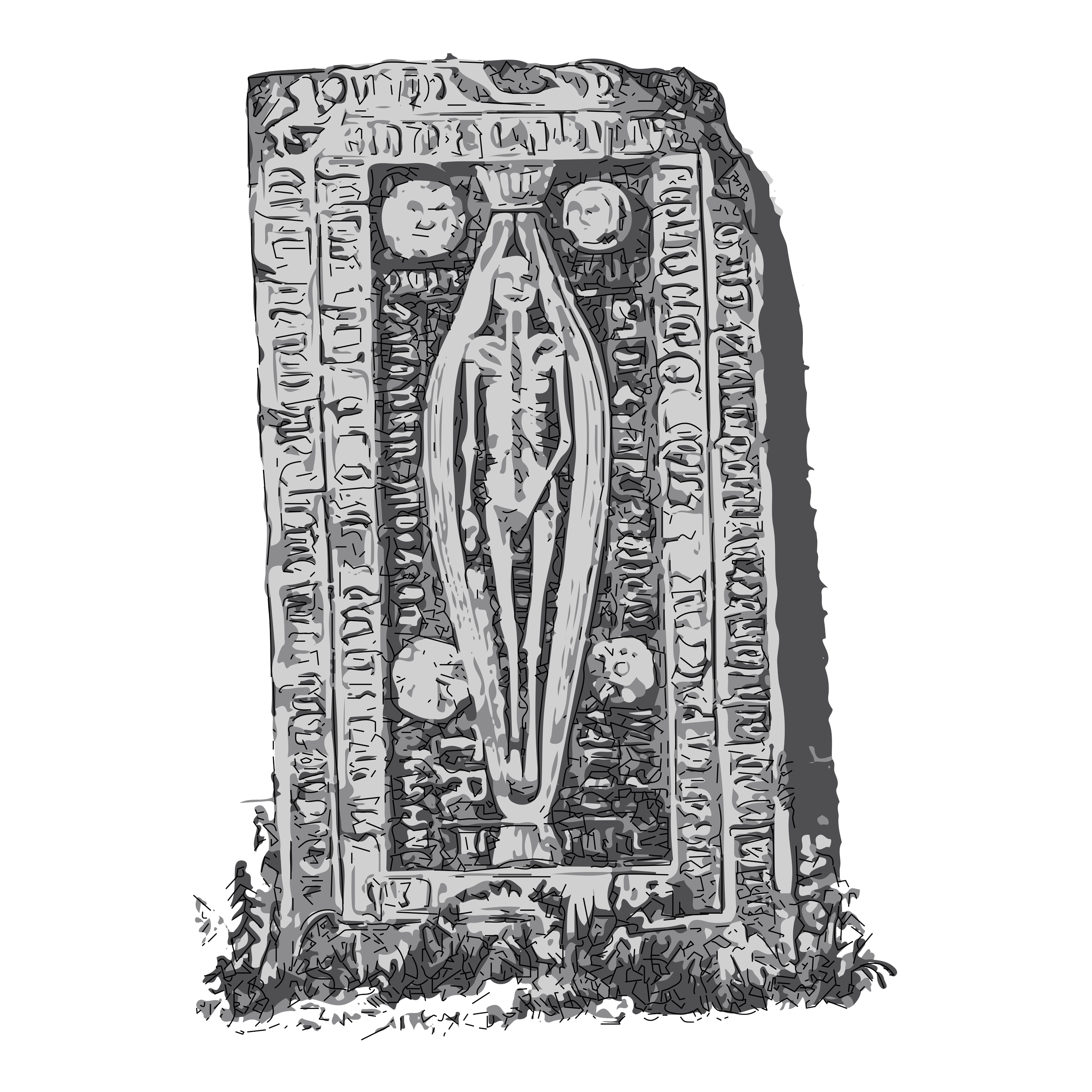
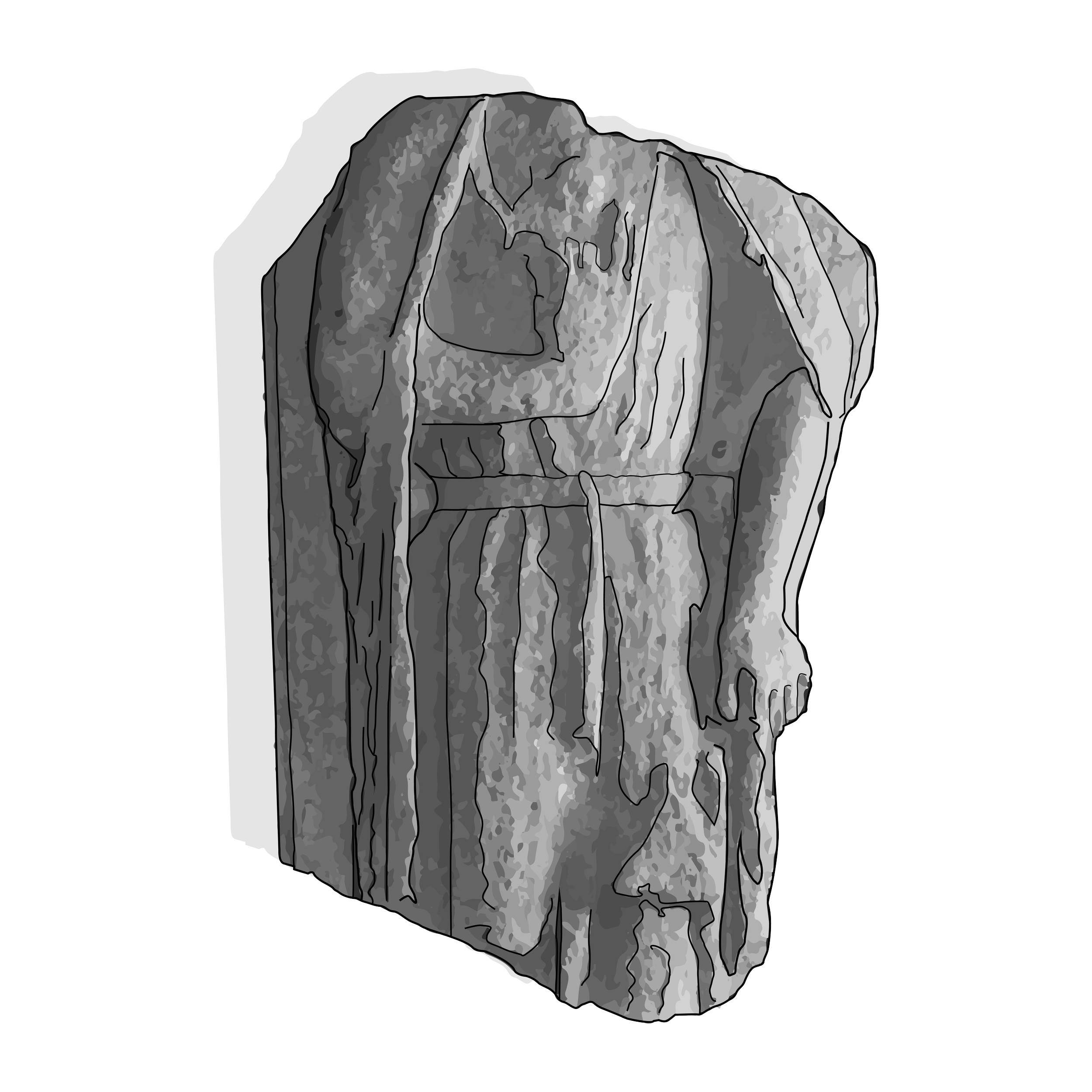
A bespoke set of illustrations was developed to capture the history, archaeology, and cultural character of Bishop Lucey Park.
Designed with adaptability and reuse in mind, these assets were created as a flexible visual library that could be applied across hoarding, interpretation boards, social content, and future public documentation.
This helped establish a cohesive visual identity across multiple touch points within the wider regeneration program.
Crosse’s Green
As part of the wider Beamish and Crawford Quarter renewal, I extended the visual identity and public-facing communication system developed for Bishop Lucey Park to Crosse’s Green.
This included adapting the typographic system, illustration style, and information hierarchy to suit a different public space while maintaining a cohesive visual language across the regeneration program. The work helped create a consistent civic identity across multiple linked developments within the city.

French’s Quay
For French’s Quay, I developed site-specific visual communication that aligned with the broader regeneration program while responding to the character and context of the surrounding area.
By applying the same graphic framework, layout system, and storytelling approach, the project maintained continuity across the wider public realm initiative, supporting legibility, public engagement, and place identity.


Interpretation board
The interpretation board for the Bishop Lucey Park is a permanent fixture that will replaced the previous sign. I incorporated design elements from the hoarding to maintain visual consistency, creating an engaging and informative display that aligns with the parks refreshed public realm.
Fun Fact: Under the Official Languages Act 2003, public signage in the republic of Ireland must display both Irish and English, with the Irish given greater prominence.
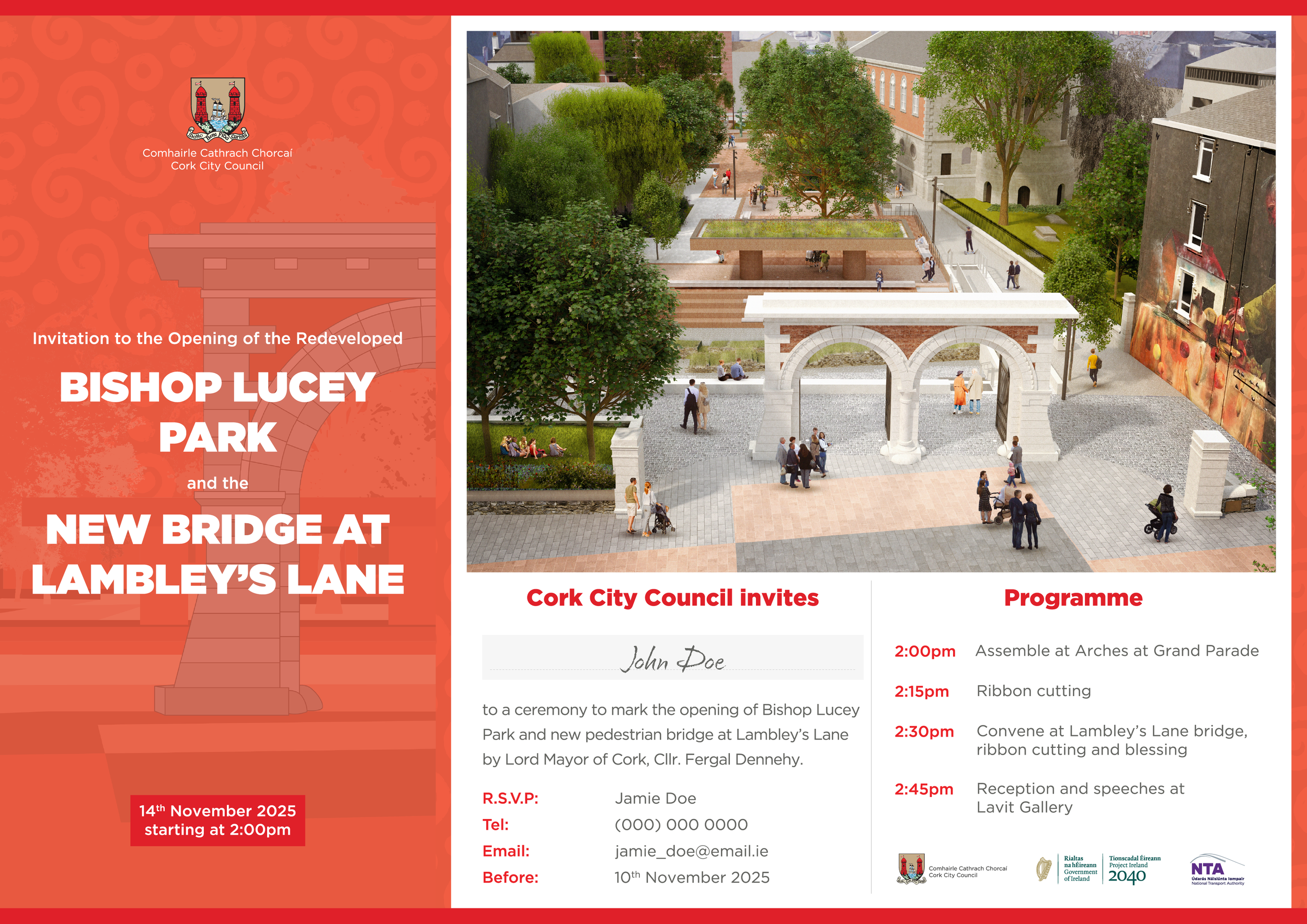
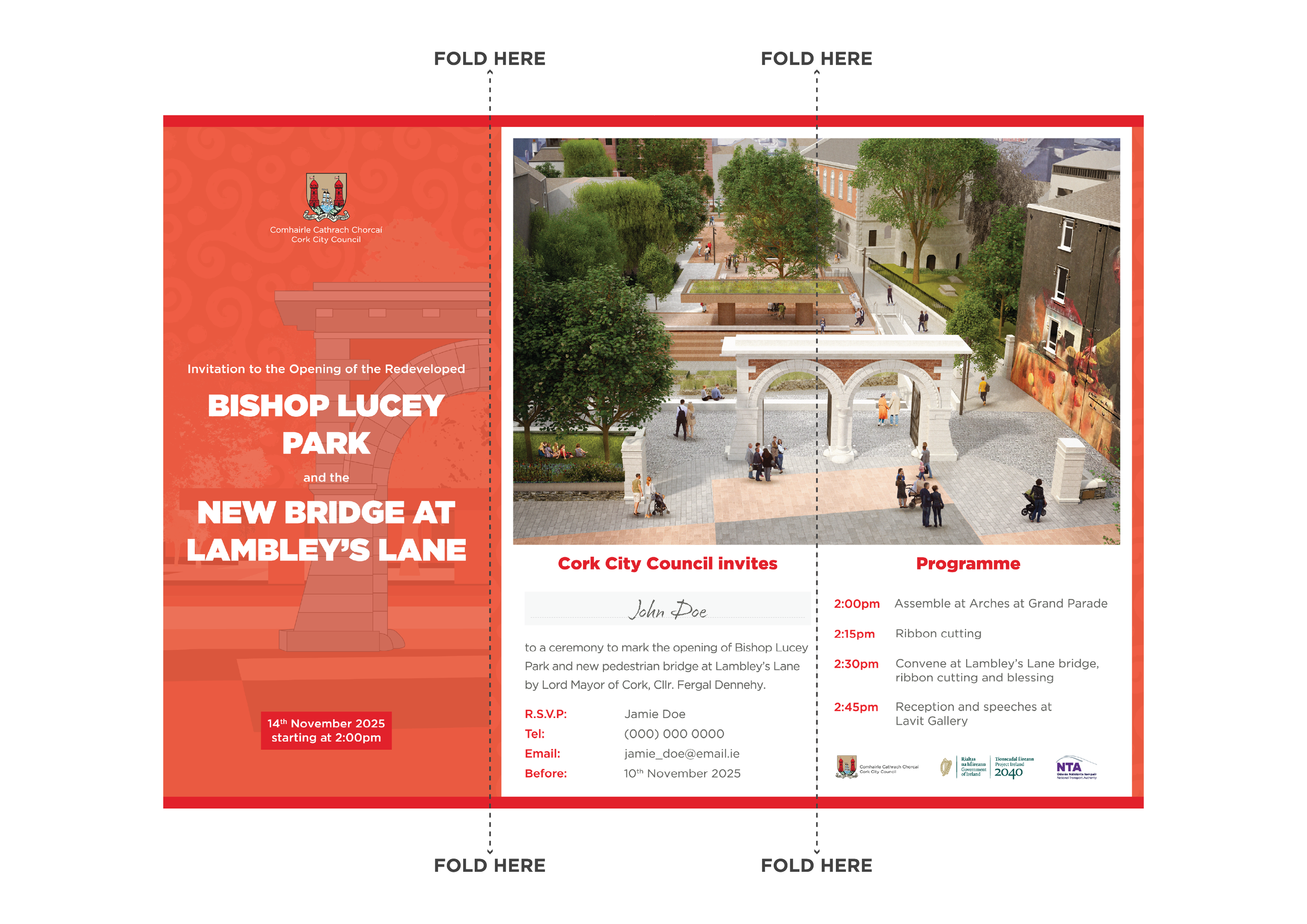
Park Opening Invitation
This invitation features a clean a4 tri-fold layout, folding neatly into three panels. The front and interior panels showcase the event details and graphics, while the back panel is intentionally left blank.
The main reason for this style would so it could be printed inhouse and fit in a standard envelope.